
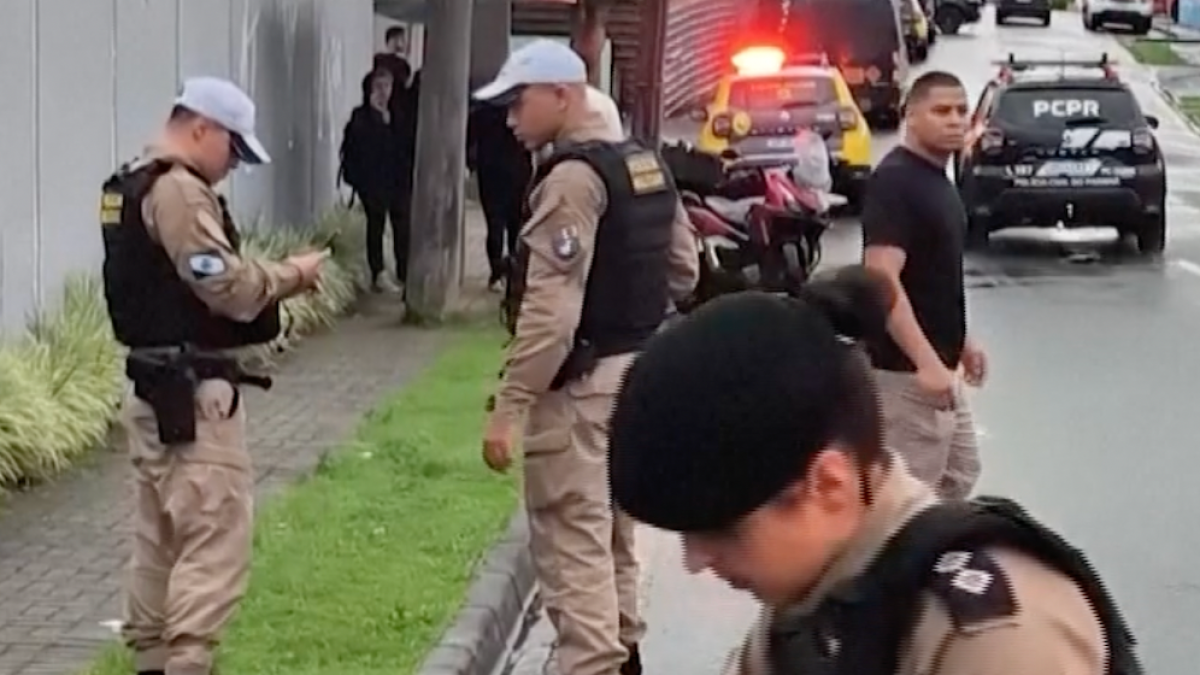
Global crises unfold as storms hit Mexico, student protests grip France, and a hostage situation ends in Brazil.
Why this matters
Global events impact our world in complex ways. Natural disasters and social unrest test the strength of our systems. Each situation requires quick action to lives. Leaders face immense pressure to keep people safe.
Meanwhile, economic and environmental factors drive these sudden crises. Extreme weather patterns disrupt daily life in coastal regions. Students demand better conditions in schools during times of high tension. These events highlight how quickly peace can turn into chaos.
However, communication remains key during these emergencies. Local authorities and governments must respond to public needs. Failure to act can lead to deep frustration. Successful outcomes often depend on rapid coordination between different agencies.
Rising tensions in French schools
Students across France continue to protest against poor school conditions. They demand more money for classrooms and better buildings. Many schools now face blockades from these groups. The movement has spread to over 30 different cities.
However, the situation has turned violent in many places. Police report over 700 officers injured during these clashes. More than 6,000 protesters face arrest for their actions. One student lost a hand during a confrontation.
Also, the government struggles to calm the angry crowds. Minister Édouard Geffray called for peaceful dialogue. Student leaders claim the government offers no real solutions. Many unions now support the students in their cause.
Weather disasters and safety emergencies
Pacific storms recently caused massive destruction in Mexico. Hurricane Polo hit the Baja California peninsula with great force. It reached category 5 strength before weakening upon landfall. Flooding and mudslides now threaten many local communities.
After that, a terrifying hostage crisis occurred in Brazil. An armed man took 13 children at a kindergarten. He threatened to burn the building for two hours. Police eventually shot and killed the suspect.
Then, rescuers ensured all children were safe. This quick response prevented a larger tragedy at the school. Parents and officials expressed relief after the rescue. The community continues to recover from this shock.
How we got here
- September 22, 2026: Hurricane Polo reaches category 5 status over warm waters.
- September 28, 2026: Hurricane Polo strikes Baja California Sur with high winds.
- September 29, 2026: The storm hits near Guaymas as a weakened system.
- October 5, 2026: Mass student protests intensify across France with many arrests.
- October 10, 2026: Police in Brazil rescue 13 children from a dangerous hostage situation.
What happens next
Next, French officials must decide on concrete policy changes. They need to address the overcrowding and lack of staff. Without real progress, protests may continue for many weeks. The government must balance order with student rights.
Also, Mexico faces a long road toward rebuilding infrastructure. Residents will deal with the aftermath of heavy flooding. Relief teams will provide aid to the hardest hit areas. Experts will study these storms to improve future warnings.
Finally, Brazilian authorities will investigate the kindergarten attack. They will look for ways to boost security at schools. Protecting children remains the top priority for all local leaders. Safety measures will likely increase in the coming months.