
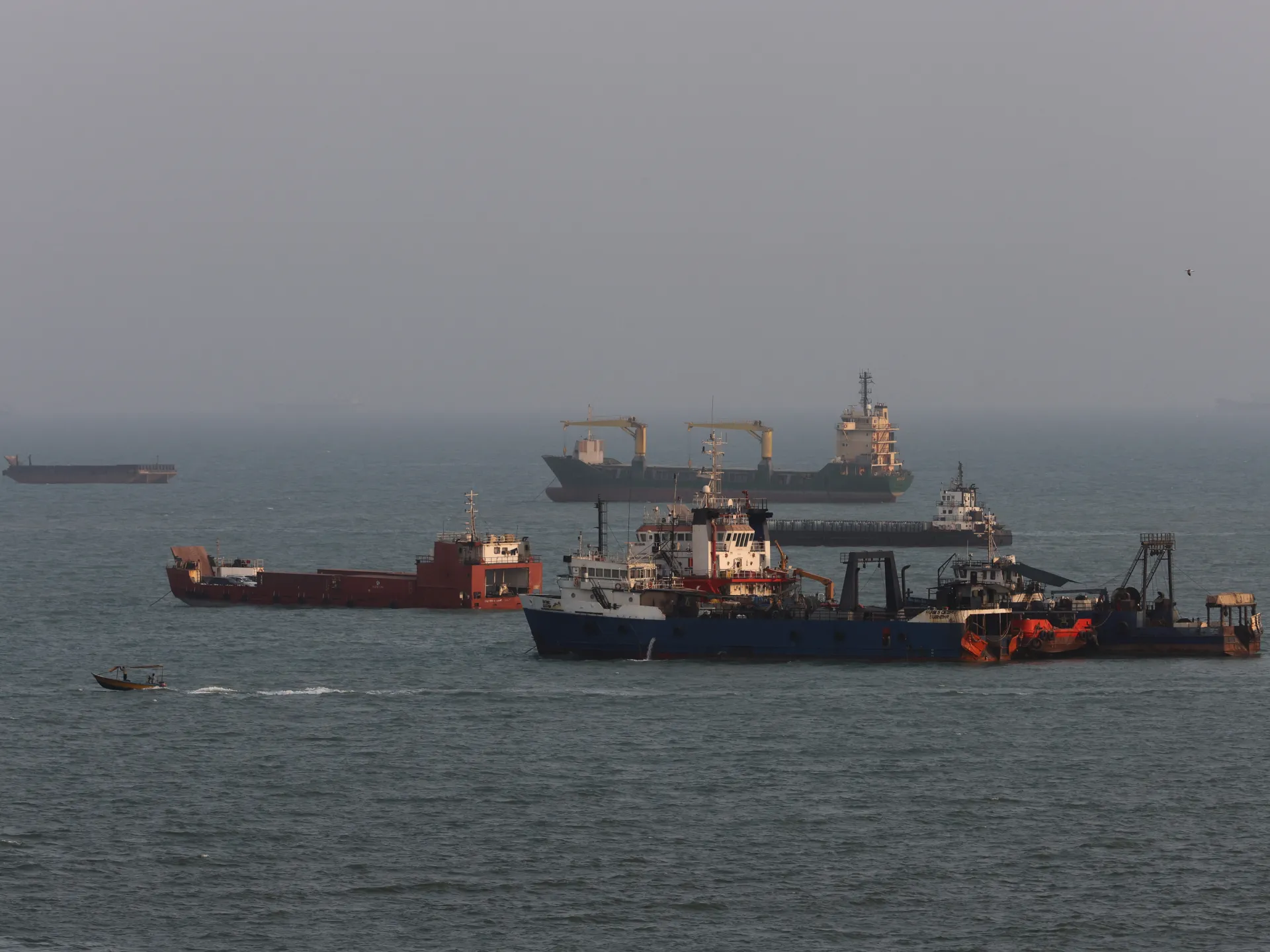
Iran is keeping the Strait of Hormuz closed to maritime traffic. Tehran insists the U.S. must meet conditions before they reopen the vital oil route.
Iran continues to block the Strait of Hormuz. Ships currently remain anchored off the coast of Bandar Abbas. Tehran claims the waterway stays closed until the U.S. meets specific conditions.
Meanwhile, Iranian officials have proposed a seven-day plan to reopen the route. The U.S. government has not yet confirmed if it will accept these terms. Global markets watch the situation closely.
Why this matters
The Strait of Hormuz serves as a vital artery for global energy. A large portion of the world's oil supply passes through this narrow passage daily. Even a short closure causes immediate spikes in global fuel prices.
Also, international shipping companies now face major delays and higher insurance costs. This economic pressure ripples across the entire globe. Countries depend on this route to keep their industries moving forward.
Furthermore, the current standoff tests the limits of modern diplomacy. Tensions between the two nations remain high. Any miscalculation in the region could trigger a much larger conflict.
Current Status of Negotiations
Tehran recently signaled that the blockade will not end immediately. They insist that the United States must address their grievances first. Officials have not shared the full list of these conditions publicly.
However, the seven-day proposal suggests a potential path toward de-escalation. This timeline requires quick cooperation from both governments. Diplomatic channels are currently working to verify these specific demands.
Still, the lack of official confirmation from Washington adds to the uncertainty. Many observers worry that the gap between the two sides remains wide. Negotiations appear to be moving slowly at this time.
How we got here
- Early 2026: Tensions rise between the U.S. and Iran over regional security and nuclear policy.
- Late Summer 2026: Diplomatic talks stall, leading to increased military posturing in the Persian Gulf.
- October 4, 2026: Iran officially blocks the Strait of Hormuz and announces conditions for reopening.
- Present: Tehran offers a seven-day plan to resolve the maritime blockade while global fuel supplies tighten.
What happens next
Experts expect the U.S. to review the seven-day plan carefully. They will likely consult with regional allies before giving a formal response. Any agreement must satisfy both nations to succeed.
Next, the International Energy Agency may release more emergency oil reserves. This move aims to stabilize global prices if the blockade persists. Governments will continue to monitor oil tanker traffic very closely.
Finally, the world waits for a definitive breakthrough in these talks. If the proposal fails, further economic strain seems likely. Both sides currently hold their positions as international pressure builds.