
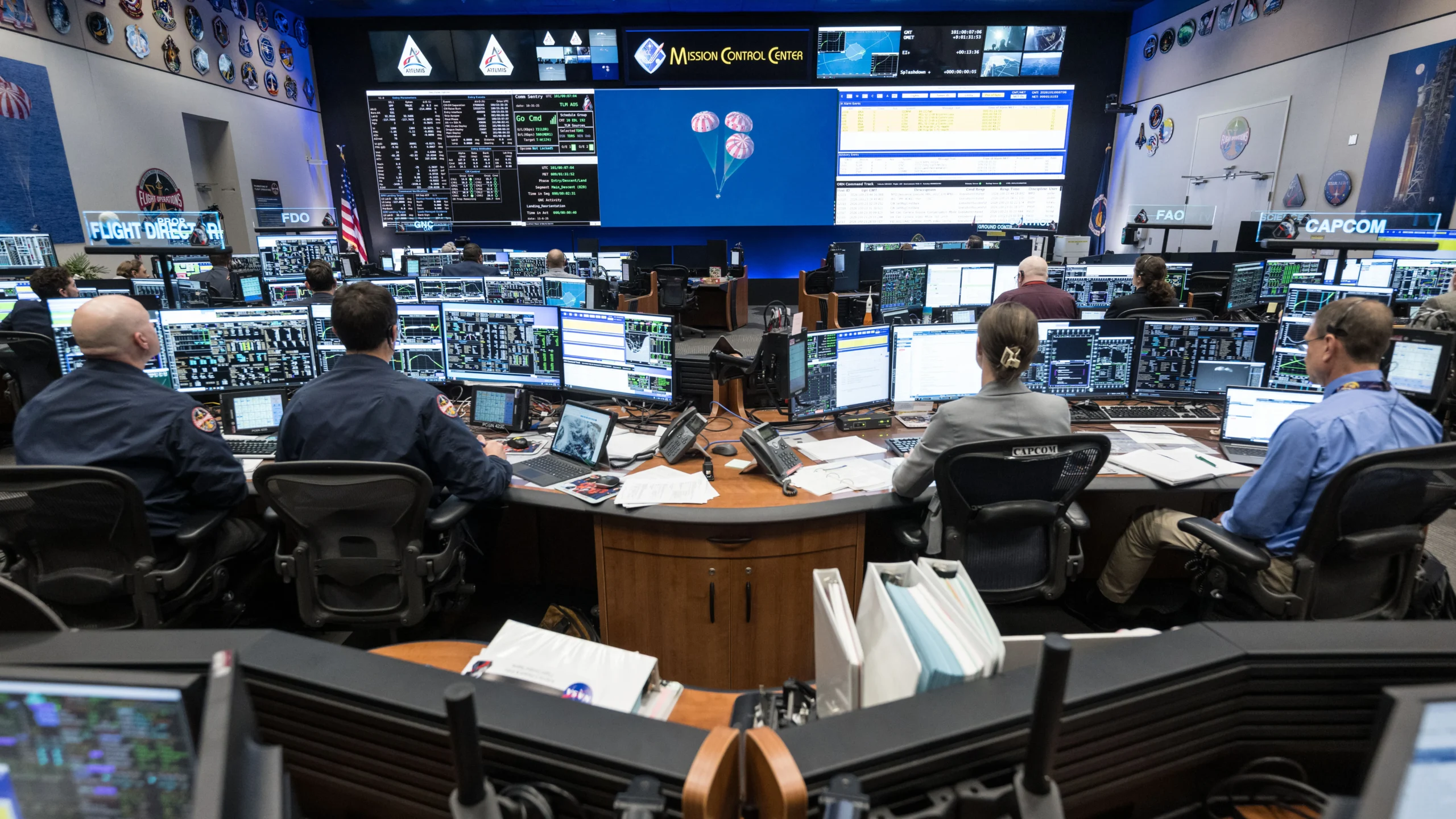
NASA is hiring new flight directors while launching a project to grow crops on the Moon to support long-term space exploration.
Why this matters
NASA is currently building the foundation for long-term human life away from Earth. These efforts involve both finding new leaders and creating new ways to grow food. Both tasks are essential for successful trips to the Moon and Mars.
Also, these missions require high levels of safety and constant monitoring. A flight director acts as the final voice during complex space operations. Their decisions ensure the survival of crews and the success of expensive technology.
Furthermore, growing food in space changes how astronauts survive. Plants provide oxygen and nutrition during long trips far from home. This technology makes staying in deep space possible for months or years at a time.
Selecting the next leaders
NASA needs new people to guide their most ambitious missions. The agency recently opened applications for flight directors. These leaders work at the Johnson Space Center in Houston.
Successful candidates will guide missions to the International Space Station and the Moon. They will also manage future trips to Mars. These experts lead large teams of flight controllers and astronauts.
Then, the flight directors make high-stakes choices during real-time flight operations. They must manage risks and follow strict safety plans. They also work with partners from many different countries.
Next, the applicants must be United States citizens. They need a college degree in science, math, or engineering. NASA also looks for people with deep experience in high-pressure environments.
Growing crops on the Moon
NASA is working with international partners to solve the problem of space food. They signed a new agreement to test farming techniques on Earth first. These tests will prepare teams for growing plants on the Moon.
Moreover, the project is called the Lunar Agriculture Module-Ground Test Demonstrator. Scientists will grow crops in conditions like those found at a Moon base. These plants will absorb carbon dioxide and provide fresh oxygen.
Finally, these space crops will improve the diet of deep space crews. They also help recycle water. These systems are crucial for maintaining a permanent base near the Moon's South Pole.
How we got here
- 2023: NASA scientists use cameras to study plant health for future space missions.
- September 28, 2026: Conflict spreads near the front lines in Ethiopia’s Afar region.
- September 30, 2026: NASA, the Canadian Space Agency, and Germany sign a joint space crop agreement.
- October 2026: The application window for new NASA flight directors closes on October 12.
What happens next
NASA will review all flight director applications throughout the fall. They expect to announce their new selections before the end of this year. These new leaders will then begin a long training program.
Meanwhile, the agricultural team will start their Earth-based tests. They will refine their plant growth technology based on these results. These findings will guide the design of future lunar infrastructure.
Finally, these combined efforts will support the Artemis missions. NASA plans to use these tools to return humans to the lunar surface. These steps represent the next phase of human exploration in space.