
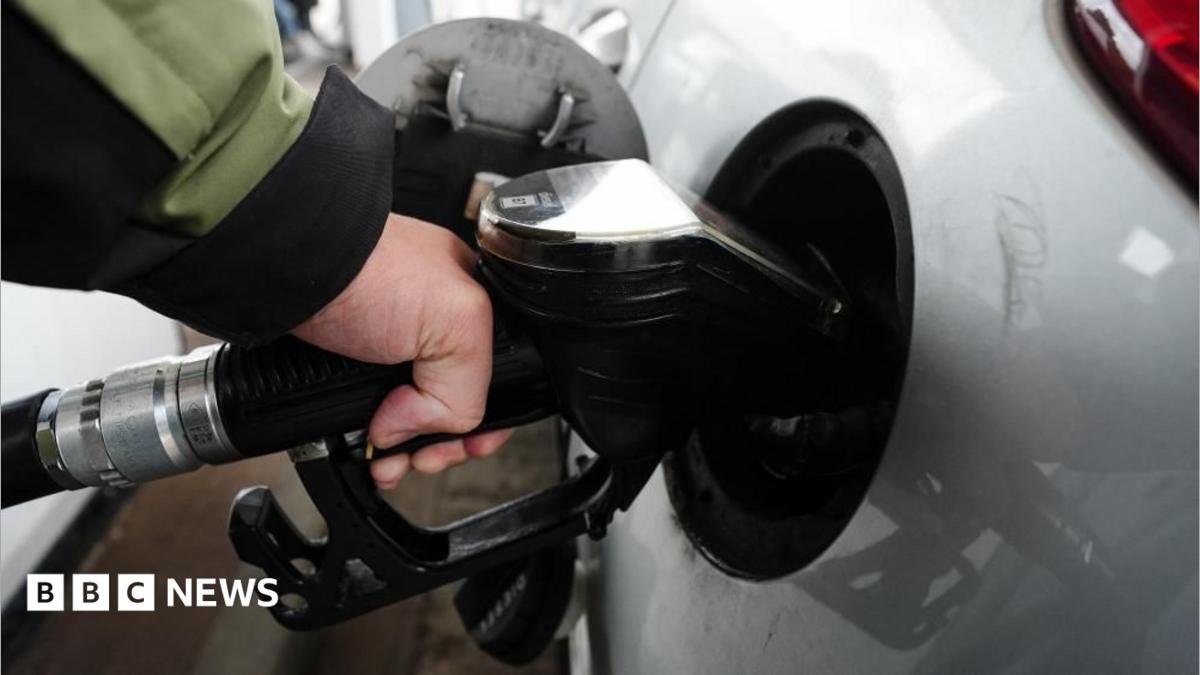
G7 nations will release 100 million barrels of oil and diesel to help lower energy costs and stabilize supply chains.
The G7 nations will release 100 million barrels of oil and diesel from their emergency stockpiles. These countries hope to lower fuel prices for people and businesses across the globe. The plan will run for four months starting immediately.
This move follows rising concerns about supply shortages and high costs. Diesel fuels many trucks and farm machines that transport our food and goods. High fuel prices often make basic items much more expensive for families.
Why this matters
Energy prices directly impact the cost of living for everyone. When diesel costs climb, businesses pay more to move products to stores. This leads to higher prices at the grocery store checkout line.
Also, this plan shows how global leaders try to manage energy markets. They want to avoid a supply crisis before winter weather hits. Most countries rely on these reserves to keep their economies running smoothly.
However, this is a temporary fix for a large problem. The G7 must ensure that these supplies reach the right markets quickly. Experts worry that if prices stay high, the world might need more help later.
New energy cooperation
The G7 group includes the United States, the UK, Canada, Japan, Germany, Italy, and France. These nations agreed not to block energy exports to each other. This decision stops potential trade fights that could hurt the global market.
Meanwhile, US President Donald Trump shifted his stance on the issue. He previously warned that he might ban diesel exports from the US. He later praised the European agreement to release their own fuel reserves.
After that, French President Emmanuel Macron confirmed the details of the deal. He said the group will work with the International Energy Agency to manage the process. They aim to keep supply chains steady during these next few months.
How we got here
- Early last week: President Trump considers a ban on US diesel exports to lower domestic prices.
- Thursday: The Trump administration continues to pressure Europe to release their own fuel stockpiles.
- Friday: President Trump posts on social media that Europe agreed to release a large amount of diesel.
- October 2: The G7 officially announces the plan to release 100 million barrels of oil and diesel.
What happens next
Now, the G7 will begin the release process within the next 20 days. Each nation will manage its own of the reserves under the new agreement. They want to avoid any sudden gaps in the global energy supply.
Then, the world will watch to see if these efforts actually lower gas prices. If prices remain high, leaders may need to discuss further actions or more releases. The market will likely react to these supplies entering the fuel system soon.
Finally, all eyes remain on the upcoming winter months. Cold weather usually increases the demand for heating oil and other fuel products. This G7 plan intends to provide a safety net for those difficult winter days.