
Swiss glaciers suffer record ice loss while Japan pushes interest rates to a 31-year high. Both events highlight global instability.
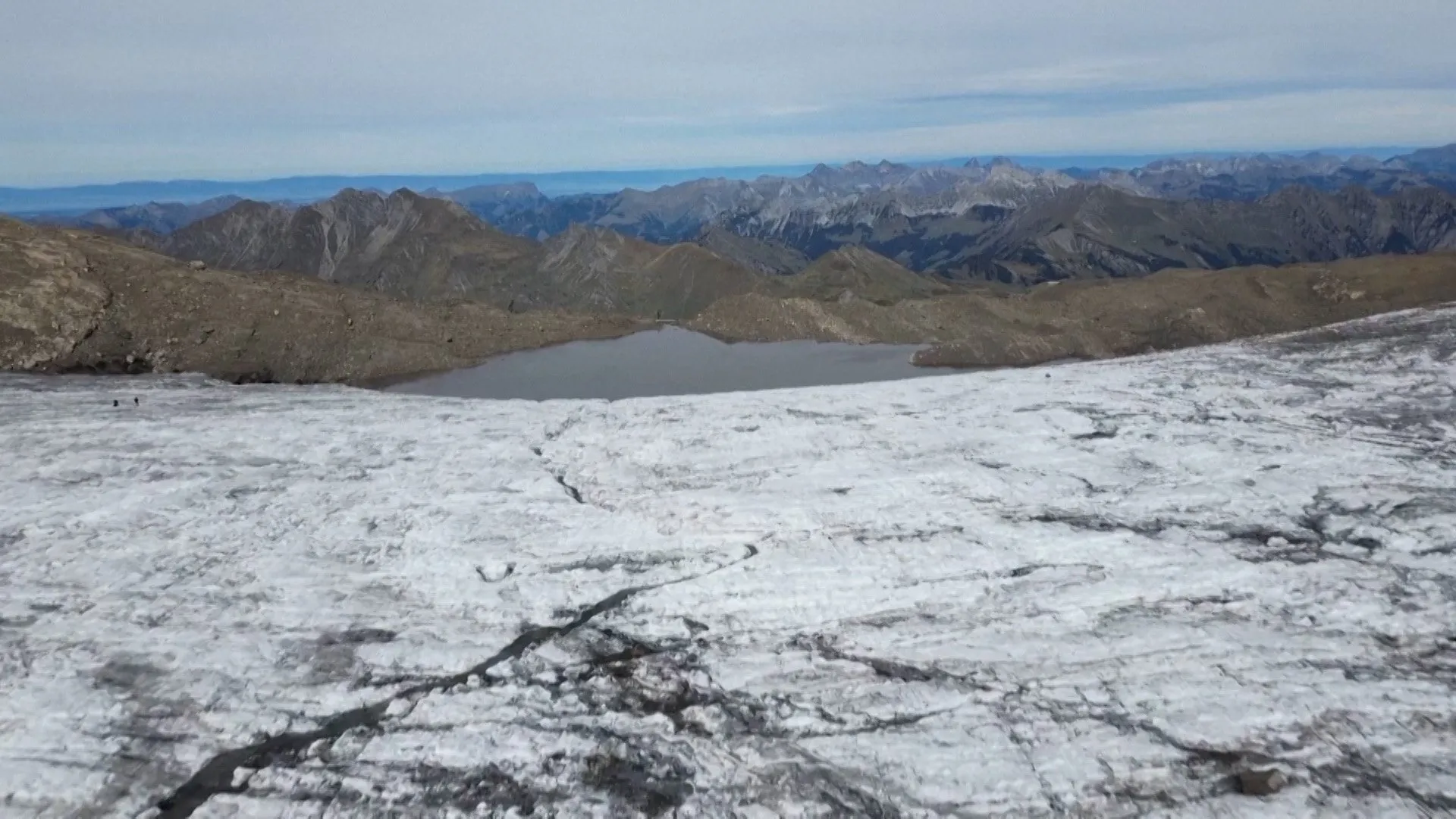
Switzerland’s famous glaciers are vanishing at a record speed. Scientists report a loss of over 5 percent of their total ice volume this year.
Meanwhile, the Bank of Japan has raised its interest rates to a 31-year high. These two events show how global stability faces threats from both nature and trade.
Why this matters
Climate change and economic shifts often seem like separate problems. However, both events impact the lives of regular people across the globe.
Glacier loss changes water supplies and impacts tourism in mountain regions. Economic changes like higher interest rates make borrowing money much more expensive for families.
These two trends reflect a world in transition. Leaders must now balance environmental protection with the need for stable financial growth.
Ice loss and heatwaves
Researchers link the massive ice melt to intense summer temperatures. These heatwaves hit many parts of Europe throughout 2026.
Also, a winter with very little snow worsened the situation. Glaciers need snow in winter to protect their frozen mass from the summer sun.
Experts call this a catastrophic year for the Swiss landscape. The rapid loss of ice continues to worry environmental scientists everywhere.
Financial changes in Japan
The Bank of Japan raised its main interest rate to 1.25 percent. This move marks the highest level seen since 1995.
Then, the bank explained that it wants to move away from decades of ultra-low costs. This change follows six rate hikes over the last two and a half years.
Meanwhile, rising energy prices play a major role in these decisions. Japan depends heavily on oil shipments from the Middle East.
However, the conflict in Iran disrupted shipping through the Strait of Hormuz. This added pressure to Japan’s economy and pushed up local inflation.
Also, the US Federal Reserve and the European Central Bank recently raised their own rates. These global actions show a coordinated effort to control rising prices.
How we got here
- 2024: The Bank of Japan begins raising interest rates from a low of minus 0.1 percent.
- 2011: Japan and the US last intervened together to manage the value of the Japanese yen.
- August 2026: Japan’s core inflation rate falls slightly to 1.7 percent.
- August 2026: Tokyo and Washington confirm a joint effort to stop the falling value of the yen.
- September 2026: The Bank of Japan increases rates to 1.25 percent to match other major economies.
- October 2026: Scientific reports confirm that Swiss glaciers lost more than 5 percent of their ice this year.
What happens next
Analysts suggest that central banks will keep a close watch on inflation. They may continue to hike rates if prices stay high.
Next, environmental groups will likely call for more action on climate change. They fear the rapid melting of glaciers could reach a point of no return.
Also, Japan will keep trying to stabilize its currency. The government must balance these economic goals against the needs of its shrinking workforce.
Finally, international markets will remain sensitive to news from the Middle East. Any further disruptions to energy supplies could change these economic plans quickly.