
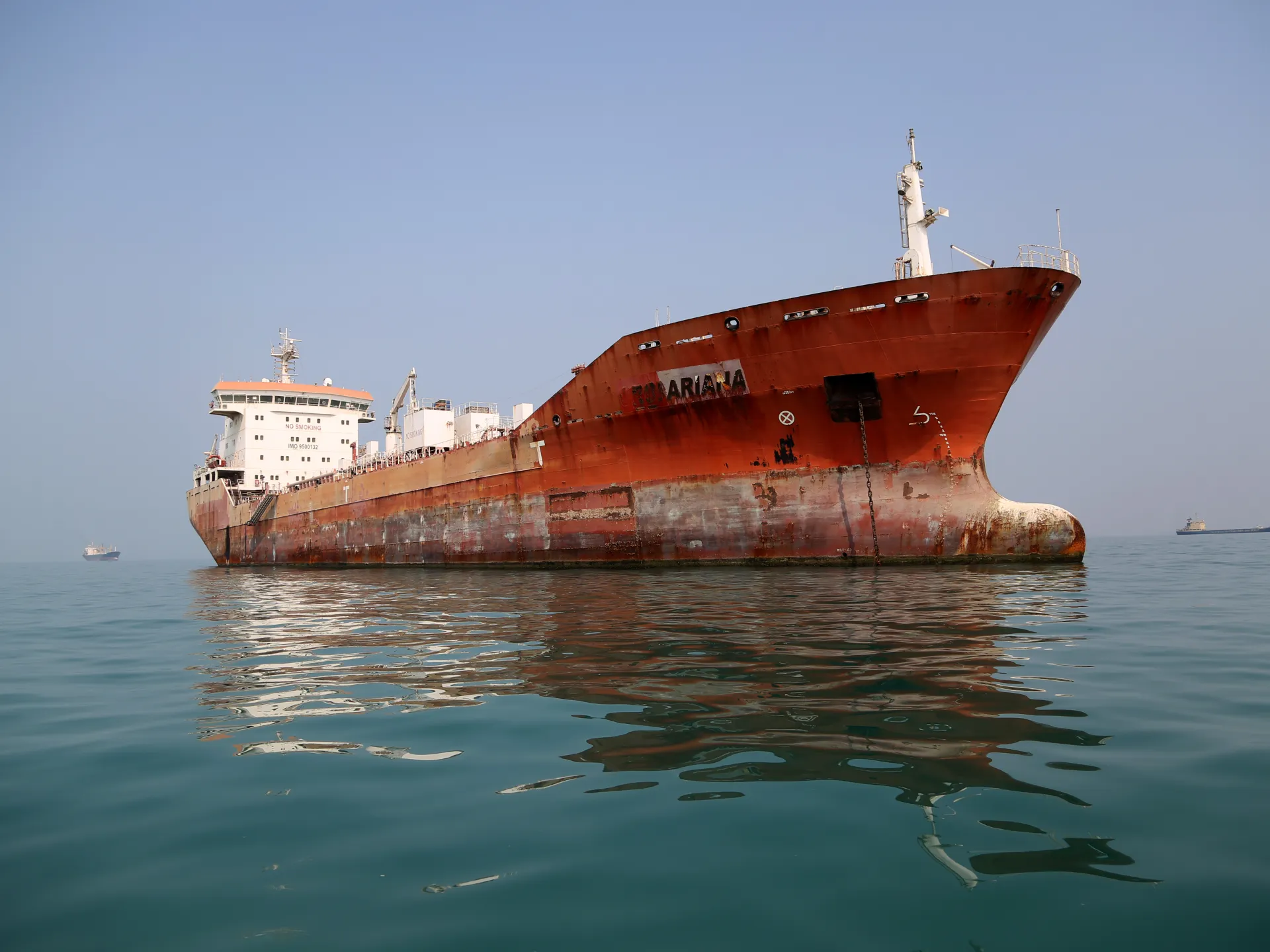
Tehran has formally proposed a seven-day window to resolve the ongoing military conflict with the US, linking the end of the Strait of Hormuz blockade to broader regional de-escalation.
The introduction of a compressed, week-long de-escalation framework represents a critical pivot in the ongoing military and economic standoff between Tehran and Washington. Unlike previous diplomatic efforts, which relied on multi-month windows for compliance and implementation, this proposal forces an immediate binary choice on the White House: either accept a rapid concession-for-stability trade or risk a further solidification of the current maritime and regional blockade. ities across the Middle East, Iran is attempting to leverage global energy market stability as a primary bargaining chip to secure the release of frozen assets and sanctions relief.
The stakes extend beyond bilateral relations, as the maritime corridor remains a vital artery for global oil and gas distribution. The failure of the previous June 17 Memorandum of Understanding serves as a sobering precedent for current negotiators. That agreement’s collapse, driven ves as a cautionary tale. Analysts suggest that the shift toward a shorter, more intense window indicates a desire icacy of the earlier, longer-term deal.
Foreign Minister Abbas Araghchi unveiled the seven-day roadmap on the sidelines of the United Nations General Assembly in New York, framing the proposal as a comprehensive exit strategy from the current war. The plan mandates that the United States finalize the release of at least $12 billion in frozen Iranian assets, waive existing oil sanctions, and dissolve the naval blockade currently restricting transit through the Strait of Hormuz. In exchange, Tehran has signaled a willingness to halt military operations across multiple fronts, specifically referencing ongoing conflicts in Gaza and Lebanon.
The internal reception within the White House remains guarded. While an official speaking to CNN described communications through regional mediators as "positive and constructive," other reporting indicates that the Biden administration is resisting pressure for a swift resolution. There is a clear divergence in perspective regarding the timeline; whereas Tehran characterizes the week-long period as an actionable pathway, Washington officials are reportedly viewing the proposal through a lens of extreme skepticism, wary of the structural failures that led to the collapse of the June agreement. An Iranian security source indicated that the proposal is not an ultimatum but a framework designed to initiate a deeper, more permanent diplomatic engagement, provided the initial commitments are met
The immediate outlook depends on whether the mediators can bridge the gap between Iran's aggressive seven-day implementation schedule and Washington's preference for a more measured, verification-heavy approach. Given that the previous deal unraveled due to vague language regarding maritime control, any new agreement will likely require rigid, non-negotiable clauses to survive for more than a few weeks. If Washington refuses to meet the financial demands—specifically the $12 billion asset release—within the specified timeframe, the conflict is expected to intensify, with the Strait of Hormuz remaining a focal point of economic and military pressure. Conversely, if formal talks on the nuclear program commence as the roadmap suggests, it could mark the first major step toward long-term stabilization, though such progress remains highly contingent on mutual trust that is currently in short supply.