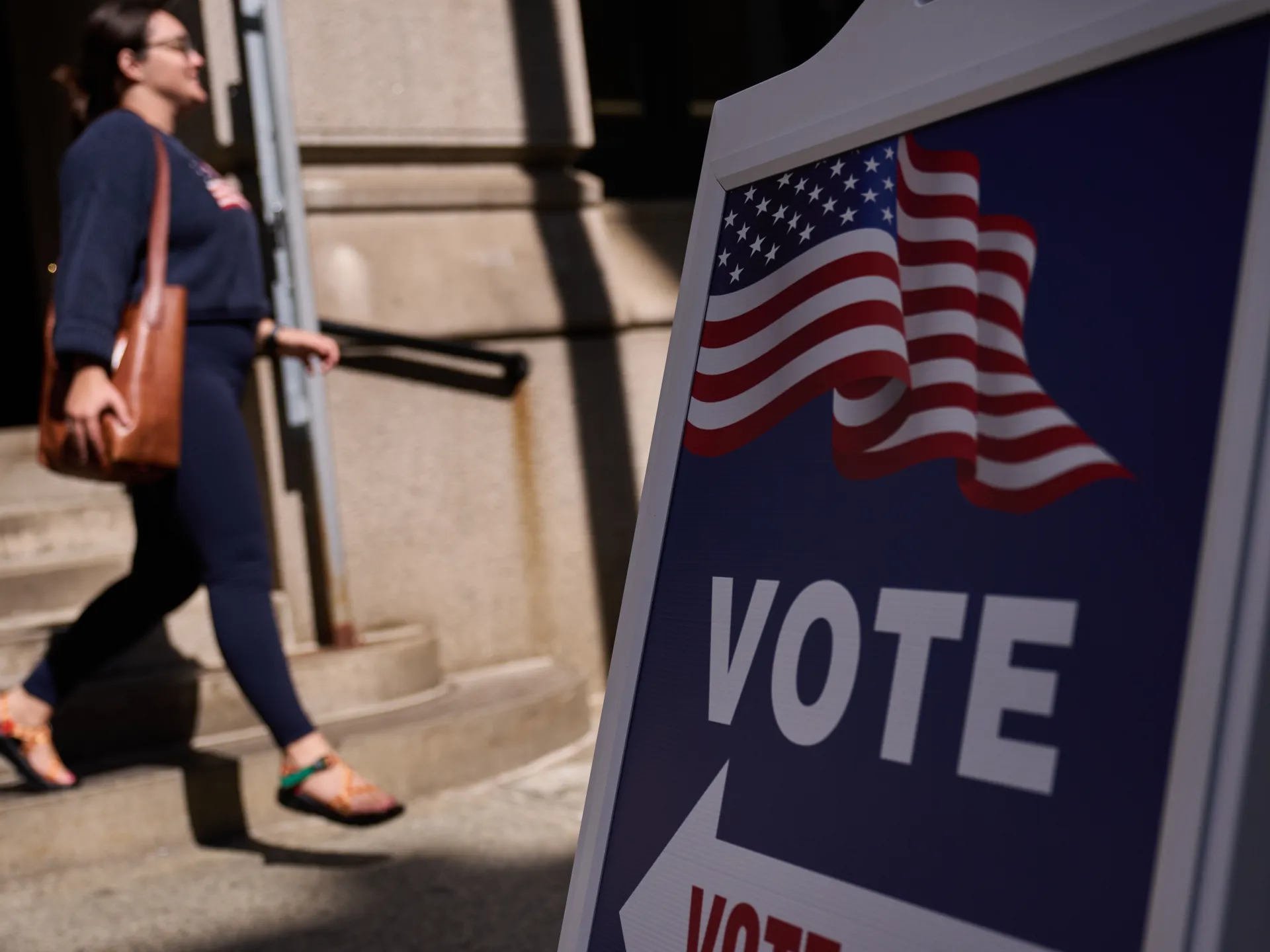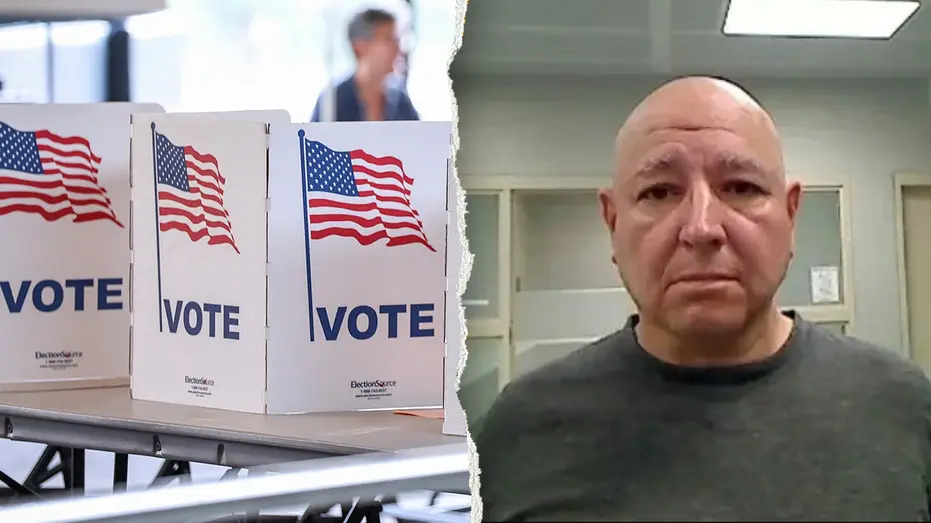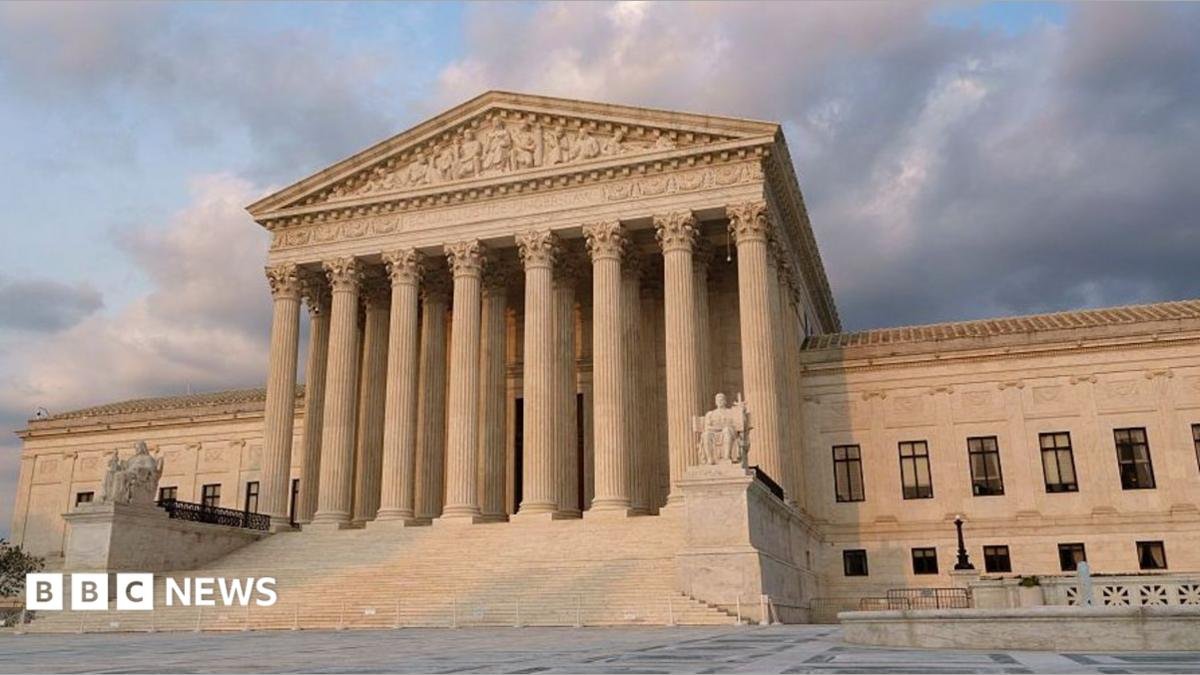
The U.S. Supreme Court has upheld an injunction blocking new mail-in ballot restrictions, ensuring current voting procedures remain in place for the upcoming election.
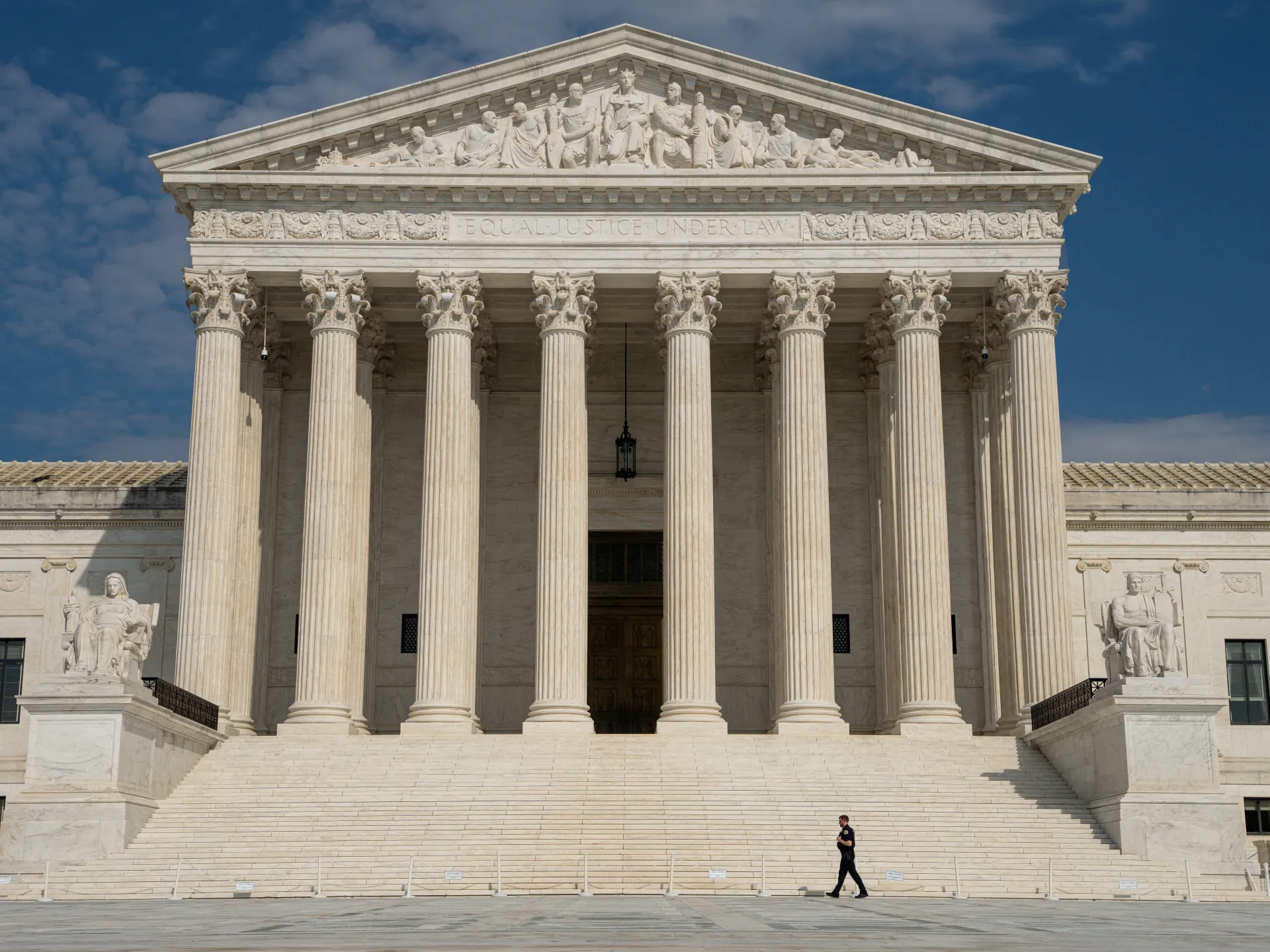
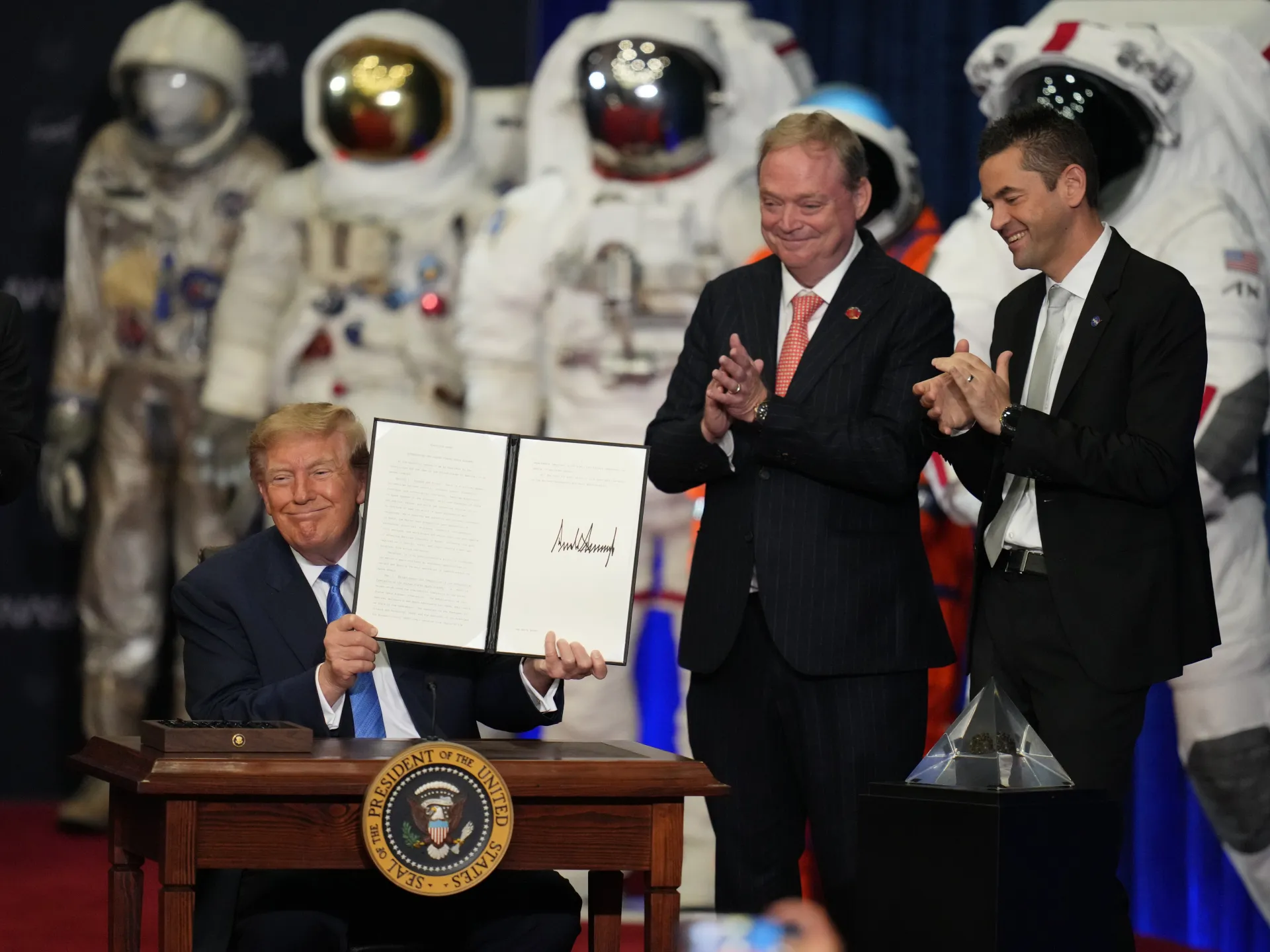
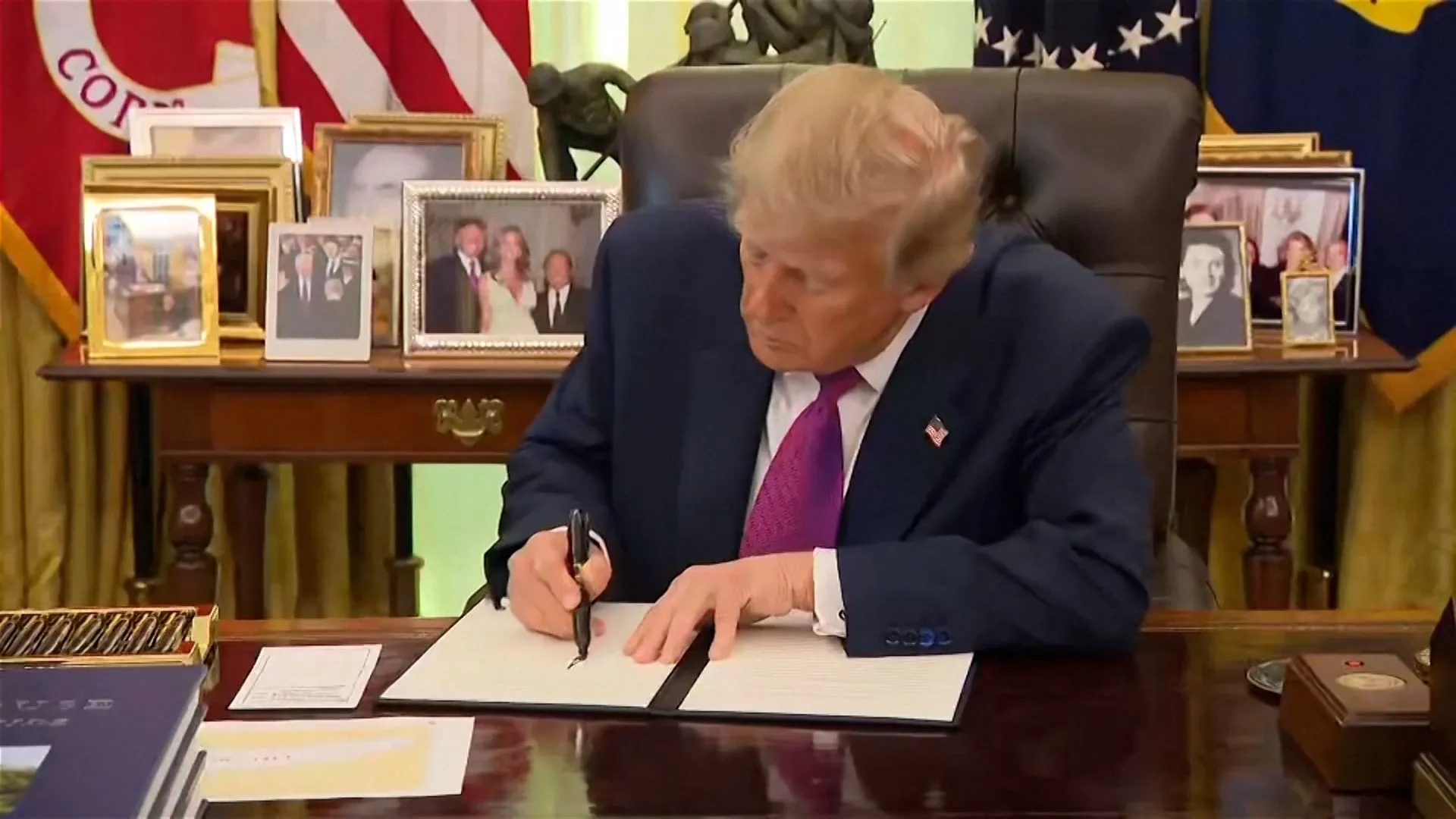
The United States Supreme Court has recently intervened in a significant legal battle concerning mail-in ballot procedures, effectively blocking an attempt to impose new restrictions on the postal service. The decision upholds a prior ruling ts for postal ballots. This legal standoff emerges from an executive order signed in March, which sought to change how election-related mail is processed and verified.
The controversy centers on whether the federal government possesses the authority to unilaterally alter postal procedures so close to an active election cycle. Critics of the executive order argued that these changes would interfere with the constitutional rights of individual states to manage their own electoral processes. The Supreme Court's refusal to lift the lower court's injunction ensures that, for the time being, the existing systems for mail-in voting will remain in place as the nation approaches upcoming midterms.
Proponents of the administration's directive, including some members of the Supreme Court, have emphasized the broad regulatory power held suggested that the legal challenge against the executive order was unlikely to succeed in the long run. They posited that the Postal Service maintains the authority to regulate mail delivery, implying that state-run elections should not be exempt from standard federal postal policies.
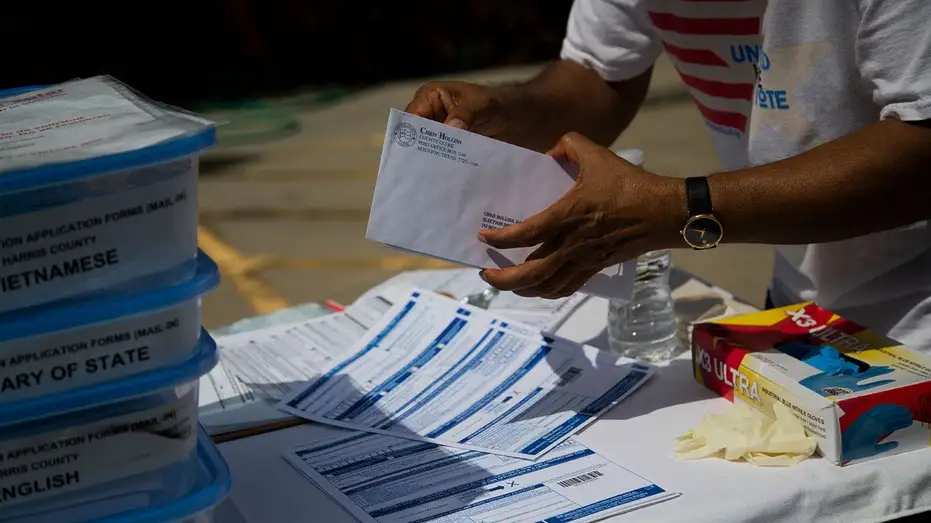
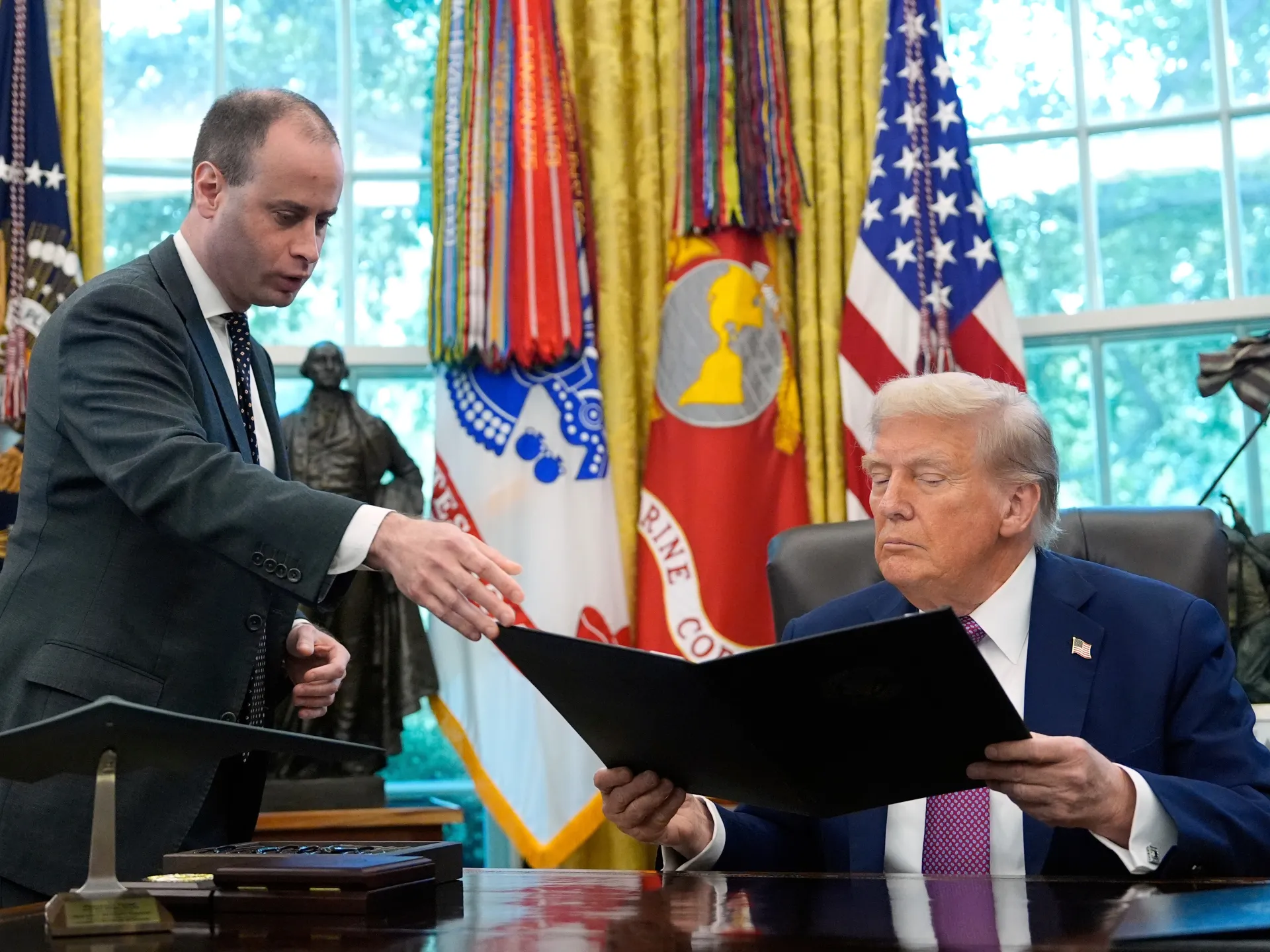
The administration’s position, articulated in court filings, maintained that states cannot utilize the federal mail system to facilitate elections while simultaneously claiming immunity from the rules governing that system. The executive order specifically sought to introduce unique barcodes on envelopes and mandate that local election officials upload voter data to a centralized online portal. The administration argued that these measures were necessary to bolster election integrity and prevent potential fraud.
The injunction, originally issued senfranchisement. Judge Talwani noted that implementing complex new administrative requirements immediately before a major election would create unnecessary hurdles for voters and local election clerks. The postal workers' union further supported this view, stating that there was insufficient time to adequately train staff on the new procedures before ballots were scheduled to be distributed.
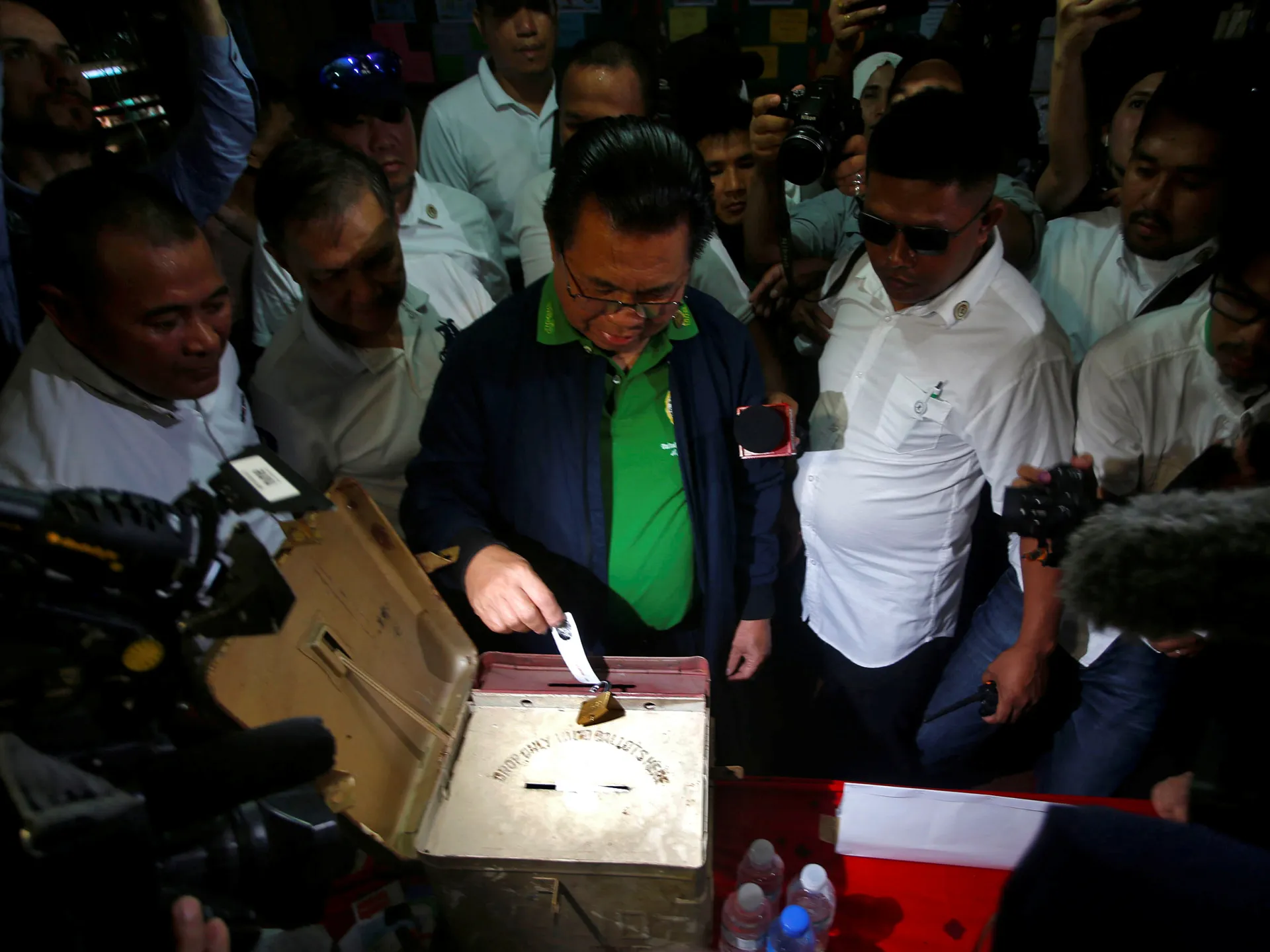
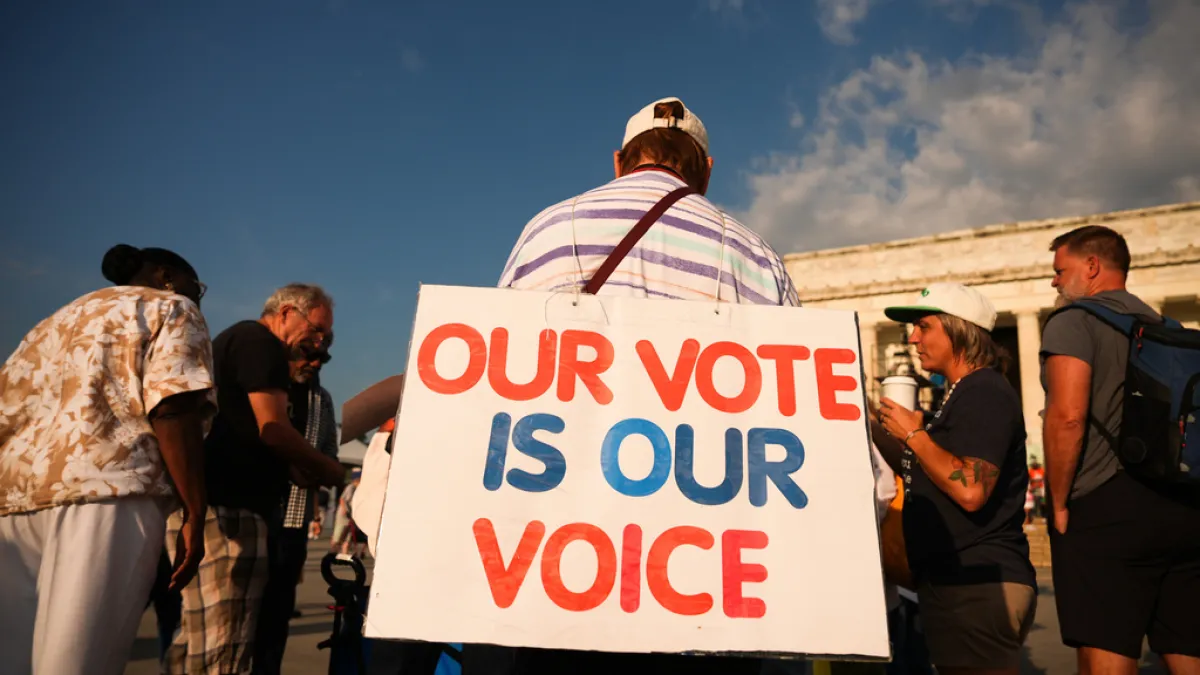
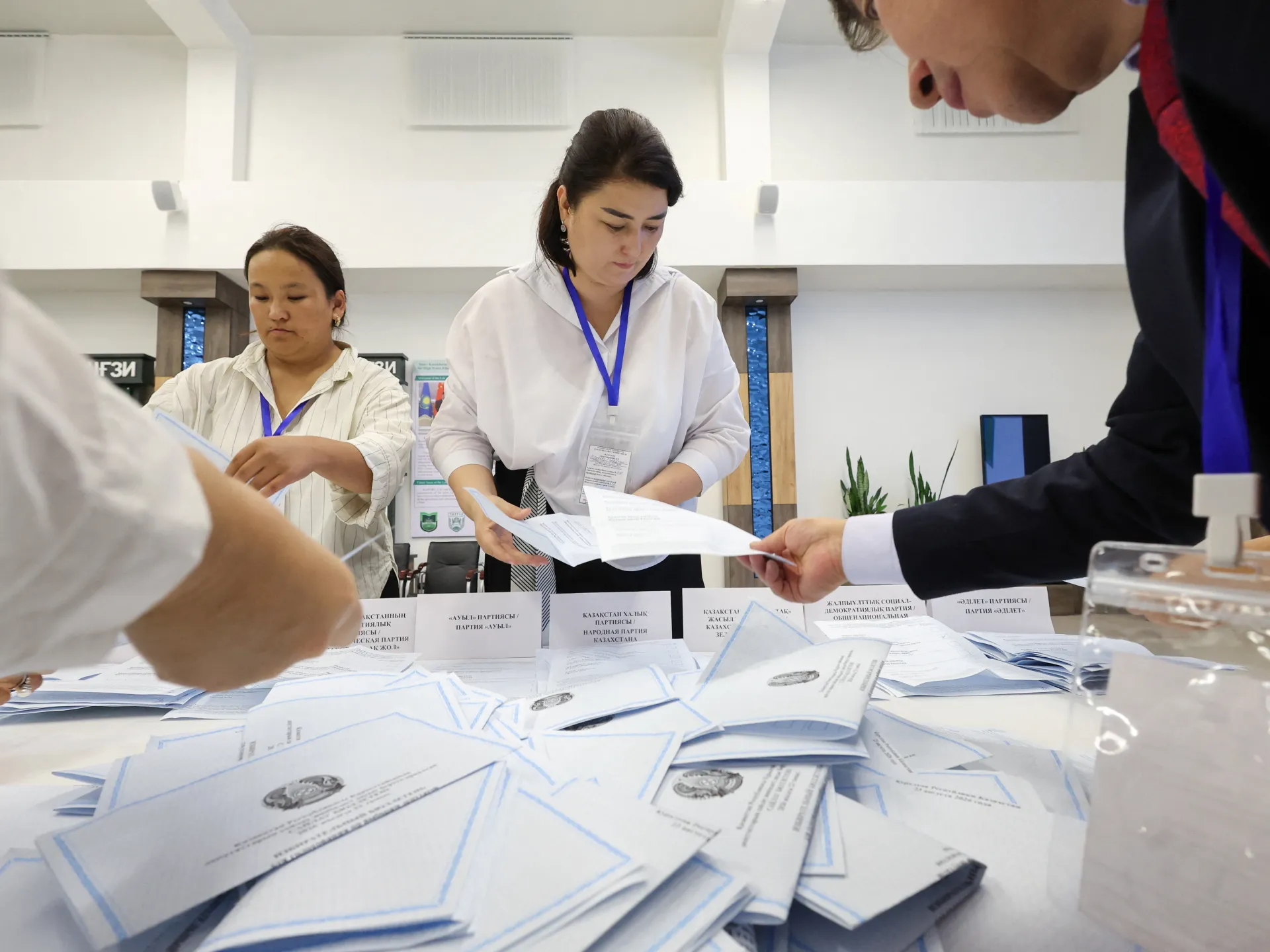
Data from previous elections highlights the stakes of this debate, with approximately 30% of voters utilizing mail-in ballots in recent cycles. A significant portion of these voters lean toward the Democratic party, making the accessibility of postal voting a central point of partisan contention. With some states already in the process of distributing ballots, the judicial decision to maintain the current rules provides a level of stability for election officials who are working under tight deadlines.
While the Supreme Court’s current ruling favors the status quo, the legal conflict is far from resolved. Justice Brett Kavanaugh, who joined the majority in this specific instance, left the door open for future rulings in favor of the administration's position. He noted that while implementing these changes for the current cycle would be "arbitrary and capricious," there may be legal grounds to support the Postal Service's authority to enforce such rules in future election years.