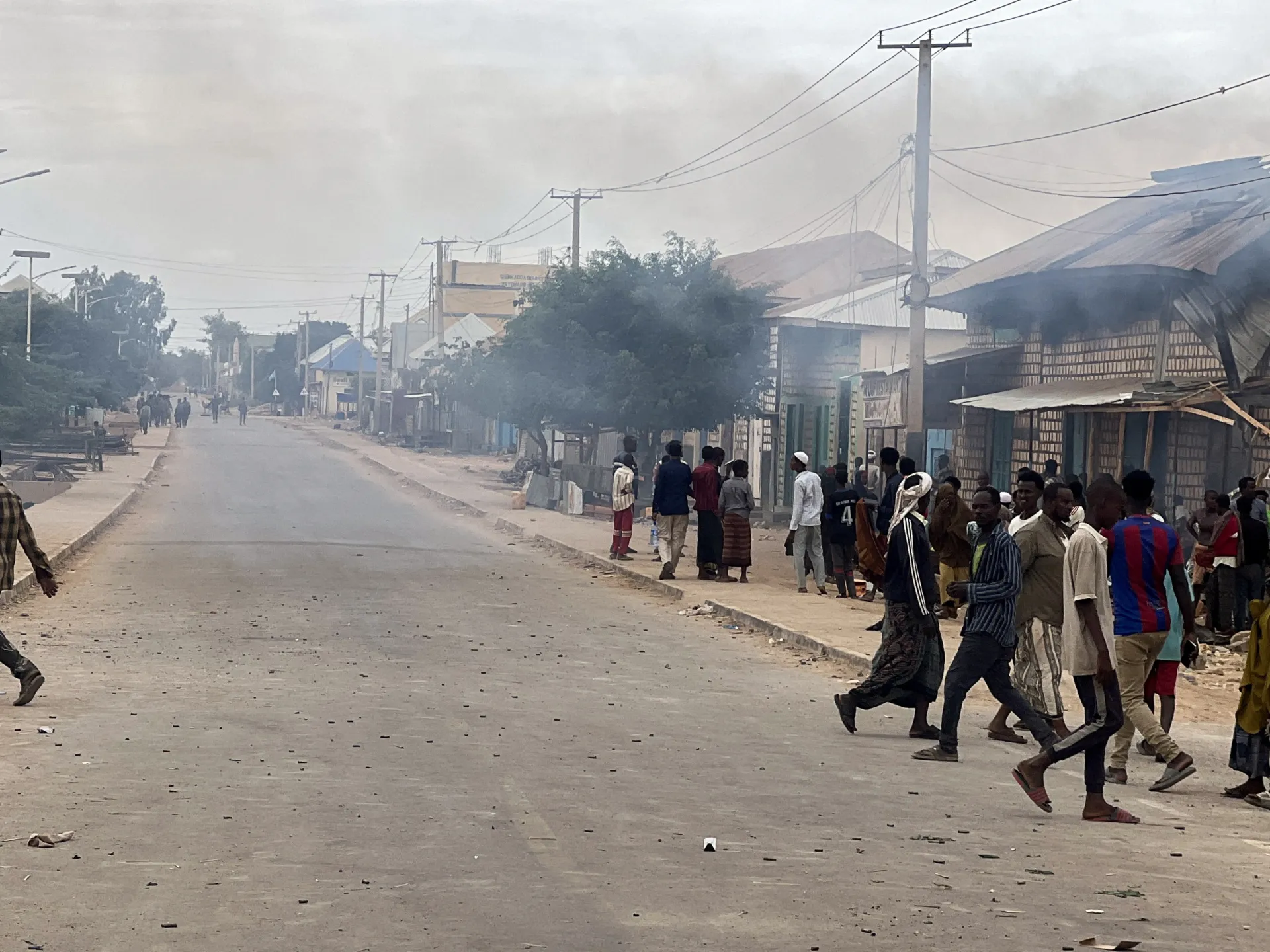

The Kenyan government is cracking down on foreign nationals operating small-scale businesses without proper work permits, sparking regional diplomatic concerns.
The Kenyan government has issued a stern warning to foreign nationals currently residing within its borders, emphasizing that visa-free entry or standard tourist visas do not grant individuals the legal authority to engage in local trade or employment. This directive follows a period of heightened scrutiny regarding the presence of non-citizens in the domestic retail sector, a move that the administration claims is necessary to ensure regulatory compliance and protect local market integrity.
Trade officials have observed a significant trend where individuals enter the country under one status but transition into business operations without the necessary work permits or commercial licenses. bor laws, creating an uneven playing field for local entrepreneurs. The government’s stance is that while Kenya remains an open destination for foreign investment, that investment must be directed toward substantial economic development rather than small-scale retail.
President William Ruto has been vocal regarding his administration's vision for foreign engagement, distinguishing clearly between large-scale investors and small-scale traders. The official position maintains that true foreign investment should focus on expanding production capacity and creating new job opportunities for the Kenyan workforce, rather than competing directly with local citizens in hawking or small shop operations. The government has set a firm deadline for those engaged in unauthorized small-scale activities to cease operations or face enforcement actions.
This policy shift has sparked a broader debate about the nature of regional economic integration. Critics of the administration have expressed concern that the crackdown could be perceived as a populist measure, potentially fueling xenophobic sentiment in a nation that prides itself on being a regional hub. Despite these accusations, government representatives maintain that their actions are strictly about upholding the rule of law and ensuring that all participants in the economy—regardless of nationality—operate under the same regulatory requirements.
The implementation of these policies has not been without diplomatic friction. The Burundian government, in particular, has raised concerns regarding the potential mistreatment of its citizens living in Kenya. In response to the growing pressure, the Burundian embassy announced plans to provide emergency travel documentation for those who wish to return home. There have been warnings from high-level Burundian officials that the situation could impact the diplomatic relationship between the two nations if the rhetoric surrounding foreign traders is not managed carefully.
Regional observers point out that the situation carries risks for the East African Community (EAC), an organization dedicated to economic integration among member states. Because citizens of many EAC nations, including Kenyans, operate small-scale businesses across borders in countries like Tanzania, Uganda, and Burundi, there is a fear that this policy could invite retaliatory measures. Leaders of immigrant associations have urged their members to remain patient and avoid confrontations with law enforcement while diplomatic channels remain open to resolve the impasse.
Despite the strict warnings, the Kenyan government has clarified that it is not seeking to expel all foreign nationals. Officials from the Ministry of Foreign Affairs have reiterated that any foreigner who possesses the appropriate documentation—including valid work permits and legitimate business licenses—is welcome to continue their professional activities within the country. The focus remains on those who have failed to transition from their initial visa status to the legal framework required for long-term commerce.
The challenge moving forward lies in the practical application of these rules. With an unclear number of foreigners currently participating in the informal economy, the government faces a complex task in distinguishing between those who are contributing to the economy legally and those who are operating in violation of the law. As the situation evolves, the government continues to advocate for a formalization of all trade activities to ensure that local markets remain sustainable and transparent for all participants involved in the regional economy.