

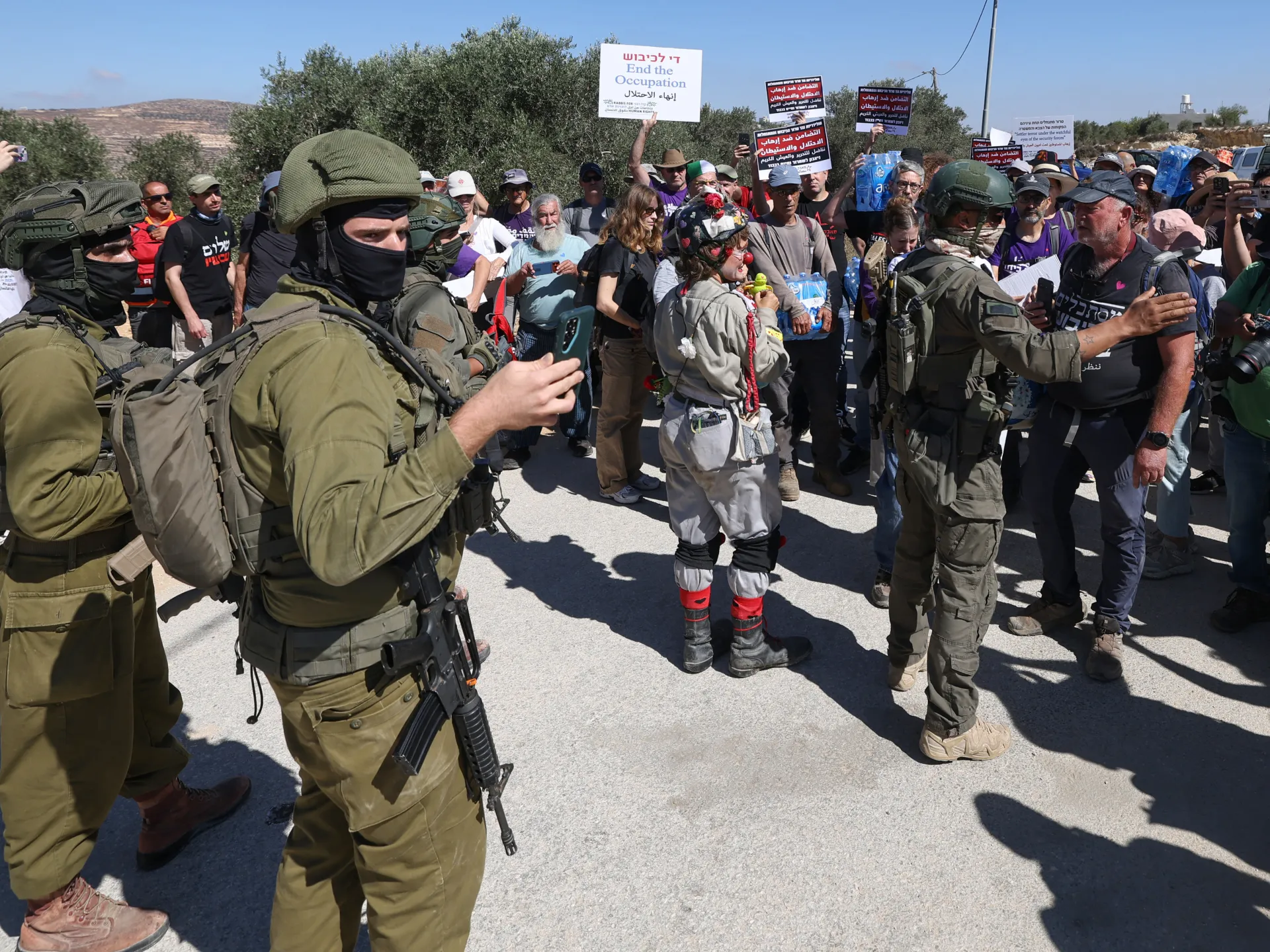
Israeli police fatally shot a Palestinian man in Jerusalem, while the military continues to enforce a month-long blockade on families in Qusra.
Tensions in Jerusalem reached a critical point this past Friday when Israeli police forces fatally shot a 33-year-old Palestinian man near the Damascus Gate. Authorities identified the deceased as Ibrahim al-Hendi, a resident of the Beit Hanina neighborhood in East Jerusalem. According to statements provided the individual attempted to stab a member of the border guard. Following the shooting, the individual was pronounced dead at the scene, triggering a significant security response in the surrounding area.
In the immediate aftermath of the shooting, Israeli security forces increased their presence throughout the Old City of Jerusalem and the vicinity of Damascus Gate. The deployment of additional personnel and the cordoning off of key areas led to heightened anxiety among local residents and visitors. Reports from Palestinian media outlets suggest that the atmosphere in the city remains volatile as community members process the latest loss of life in a region already experiencing prolonged periods of unrest and frequent security confrontations.
Beyond the borders of Jerusalem, the Israeli military has intensified its operational tempo throughout the occupied West Bank. In the town of Qabatiya, security forces conducted raids resulting in multiple arrests, with officials alleging that those detained were in the planning stages of attacks against Israeli security personnel. These actions are part of a broader strategy that has seen increased military activity aimed at disrupting perceived threats within Palestinian population centers.
Simultaneously, a significant 48-hour operation in Nablus resulted in the detention of ten additional Palestinians. During this sweep, the Israeli military reported the seizure of over 30 machines allegedly used for the production of illicit weaponry. These operations, combined with the ongoing presence of Israeli settlers and soldiers in rural areas like the northern Jordan Valley, have contributed to a cycle of confrontations that frequently involve the use of tear gas and concussion grenades against local Palestinian communities attempting to defend their property and land.
A particularly concerning development involves the town of Qusra, where residents have endured a restrictive blockade for nearly a month. Since August 9, three Palestinian households situated on Mount Ras al-Ain have been effectively trapped, unable to leave their homes or receive essential supplies. The Israeli military has enforced this blockade humanitarian aid from reaching the families in distress.
The situation drew the attention of peace activists who attempted to intervene on behalf of the besieged residents. A group of approximately 100 activists, including members of the organization Peace Now, traveled to Qusra with food and medical supplies intended for the trapped families. Despite their efforts, the group was initially turned away nter, they were subsequently detained society groups and the military establishment.
The humanitarian challenges in Qusra are emblematic of the broader difficulties faced settlers now residing in over 500 settlements and outposts, the pressure on Palestinian communities to vacate their land has become a central point of contention. Local leaders, including Qusra Mayor Abdel Azim Wadi, have frequently highlighted the difficulty of sustaining daily life under these conditions, where access to basic necessities is often dictated