
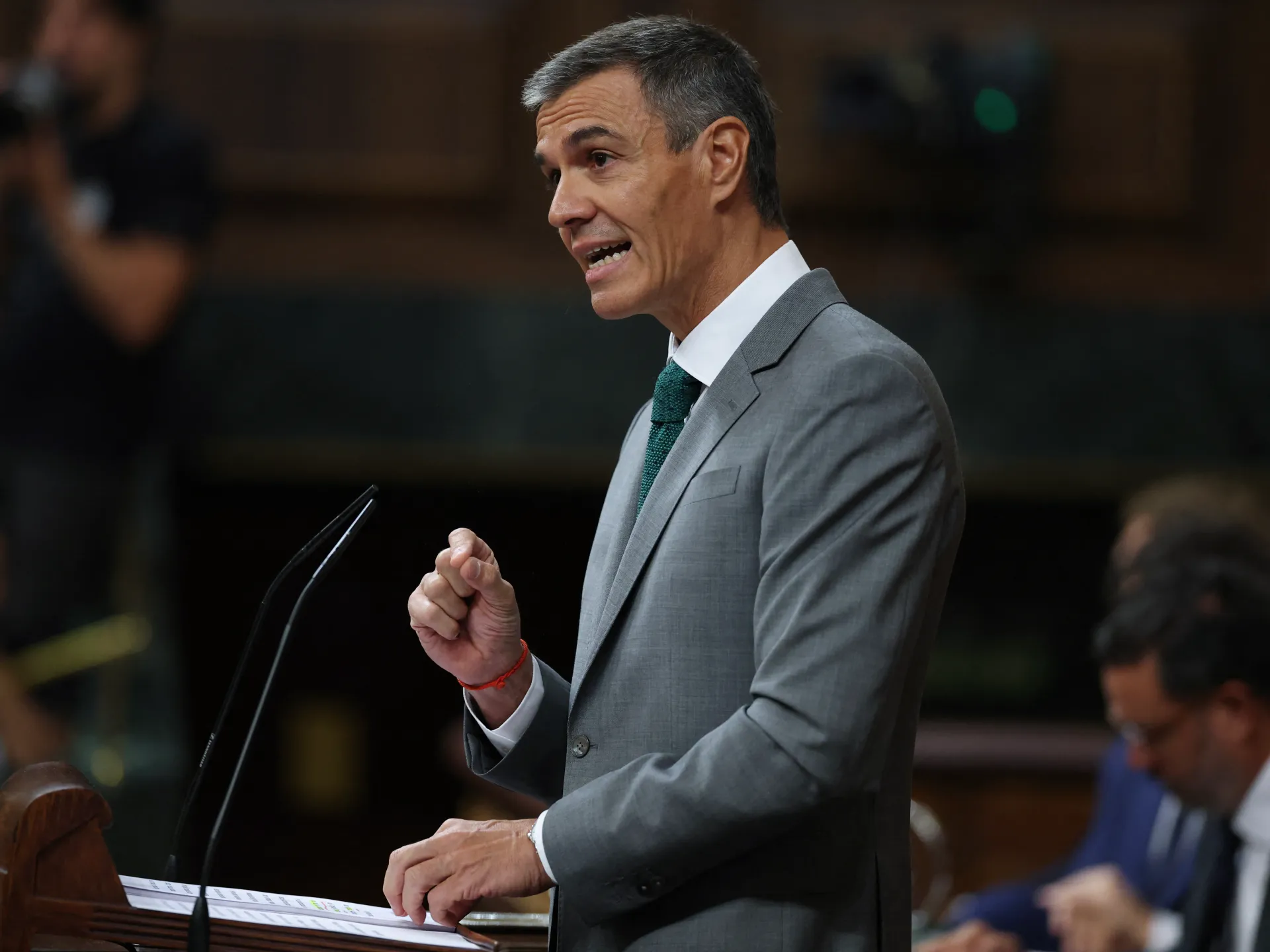
Prime Minister Pedro Sánchez called for a snap election on November 29 after his government failed to pass new housing laws.
Why this matters
Prime Minister Pedro Sánchez now faces a major test. The failed housing laws created a deep divide in Spain. Voters feel frustrated by rising rent prices and unfair evictions. This election reflects a broader struggle over economic security in Europe.
Also, the defeat shows the weakness of the current government coalition. Sánchez lacks a stable majority in Congress. Without enough support, he cannot pass his major social programs. This political deadlock prevents the state from addressing the urgent housing crisis effectively.
Meanwhile, the public outcry serves as a warning to other leaders. People demand lower costs and more tenant protections. If the government ignores these basic needs, they lose their mandate to rule. The upcoming vote will decide the future path for Spanish social policy.
The collapse of legislative agenda
The Spanish Parliament recently rejected two key decree-laws. These laws aimed to protect renters from sudden price hikes. Legislators voted against the first bill by 178 to 172. They defeated the second measure by a wider margin of 184 to 166.
Following the vote, angry crowds gathered outside the government building. Protesters shouted slogans about their misery and corporate profits. These citizens feel that officials ignore their struggles with high rent. The failure of these laws signaled an end to the current parliamentary term.
Consequently, Sánchez announced a snap election for November 29, 2026. He addressed the nation on television to explain his choice. He hopes to regain a stronger mandate from the Spanish voters. The move shifts the power back to the people during a time of instability.
How we got here
- October 2026: Authorities evict 87-year-old Maricarmen Abascal from her home in Madrid.
- October 2026: Mass protests erupt across Spain to demand affordable housing and tenant rights.
- October 2, 2026: Lawmakers reject the government’s housing decree-laws in a critical parliamentary session.
- October 5, 2026: Prime Minister Pedro Sánchez declares an early general election for November 29.
What happens next
Political parties now prepare for a short and intense campaign. Candidates must address the housing crisis to win public support. The outcome will determine if the Socialists keep their grip on power. Voters will decide the direction of the country on November 29.
Moreover, the Tenants' Union plans to expand its movement into local neighborhoods. They want to maintain pressure on all political candidates. This grassroots activity could influence the final results at the ballot box. The government faces a difficult path to regain public trust before the winter vote.
Finally, experts watch for potential shifts in the national government structure. New coalitions might emerge if no party wins a clear majority. The next administration must immediately address the housing shortage to avoid further unrest. Spain remains at a crossroads as it heads toward this urgent election.