
South African police face a leadership vacuum after a high-profile resignation, while Indian authorities detain thousands during a youth-led protest.
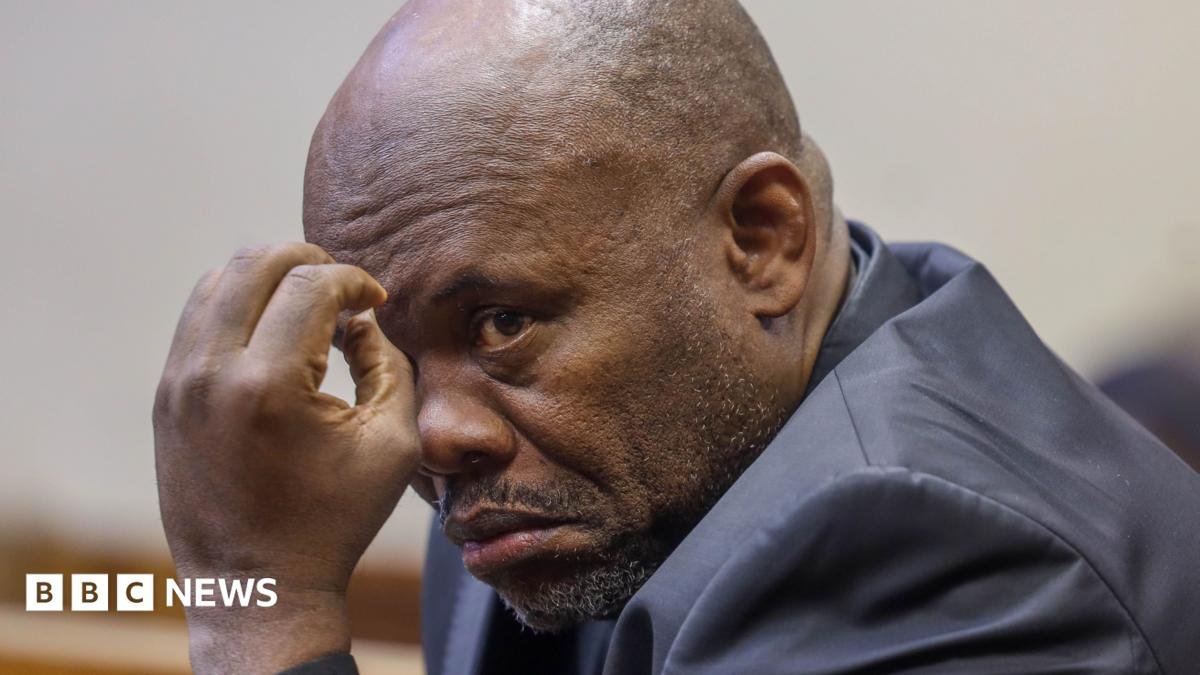
South African police leadership faces a major crisis today. Lieutenant General Shadrack Sibiya resigned from his role this week. He faced serious sexual assault charges before his departure.
Meanwhile, thousands of protesters gathered in New Delhi, India. They demanded the resignation of the top election official. Authorities detained thousands of these young demonstrators across the city.
Why this matters
These two events show a growing anger toward powerful institutions. People feel that leaders are not protecting them. They worry that those in charge ignore the rule of law.
Also, the public demands more accountability from their government officials. When police or election leaders face scandal, public trust suffers. This damage makes it harder for nations to function well.
However, governments often react with strict force. They use police to stop protests or punish dissenters. This strategy can backfire and fuel more public anger over time.
Turmoil inside the police force
Lieutenant General Shadrack Sibiya served as South Africa's deputy police chief. He resigned during a disciplinary hearing on Monday. Police officials now classify his exit as a dishonourable discharge.
Also, serious legal charges hang over him. He allegedly groomed a teenager and raped a young woman. He also faces charges of human trafficking.
Next, investigators looked into his past ties to crime bosses. The Madlanga Commission examined claims of corruption in the police force. Sibiya denied taking bribes or interfering with murder cases.
After that, other police officers faced similar scrutiny. A separate officer in Port Elizabeth lost his job recently. This officer also faced accusations of raping a child.
Cracks in the democratic process
In India, the Cockroach Janta Party led a massive protest. Thousands of youth marched against the Election Commission. They blame the agency for removing millions of names from voter rolls.
Then, police responded with a heavy hand. They blocked roads and set up barricades across New Delhi. Officers dragged protesters into buses and took them to detention centers.
However, officials insisted these actions were necessary for order. A government spokesperson called the protesters anarchic. They denied the claims of bias in the voter list revision.
Finally, the movement continues to grow despite the arrests. These young activists demand more fairness in elections. They refuse to stay quiet about their future.
How we got here
- May 2026: The Cockroach Janta Party emerges online in India.
- July 2026: The Indian education minister resigns after exam paper leaks.
- September 2026: Lt. Gen. Sibiya faces accusations of links to crime bosses.
- October 11, 2026: Police in New Delhi detain thousands of youth protesters.
- October 12, 2026: Lt. Gen. Sibiya resigns while facing criminal charges.
What happens next
Legal battles will likely define the coming months. Sibiya must prepare for his criminal trial in South Africa. He remains in custody until his next court date.
Also, the protests in India will probably face more crackdowns. The government shows no sign of changing its stance on the election commission. Tensions between the youth and the state remain high.
Finally, both nations must address these deep issues. Rebuilding trust requires honest investigations and clear changes to how authorities behave. Without these, public frustration will only continue to rise.