

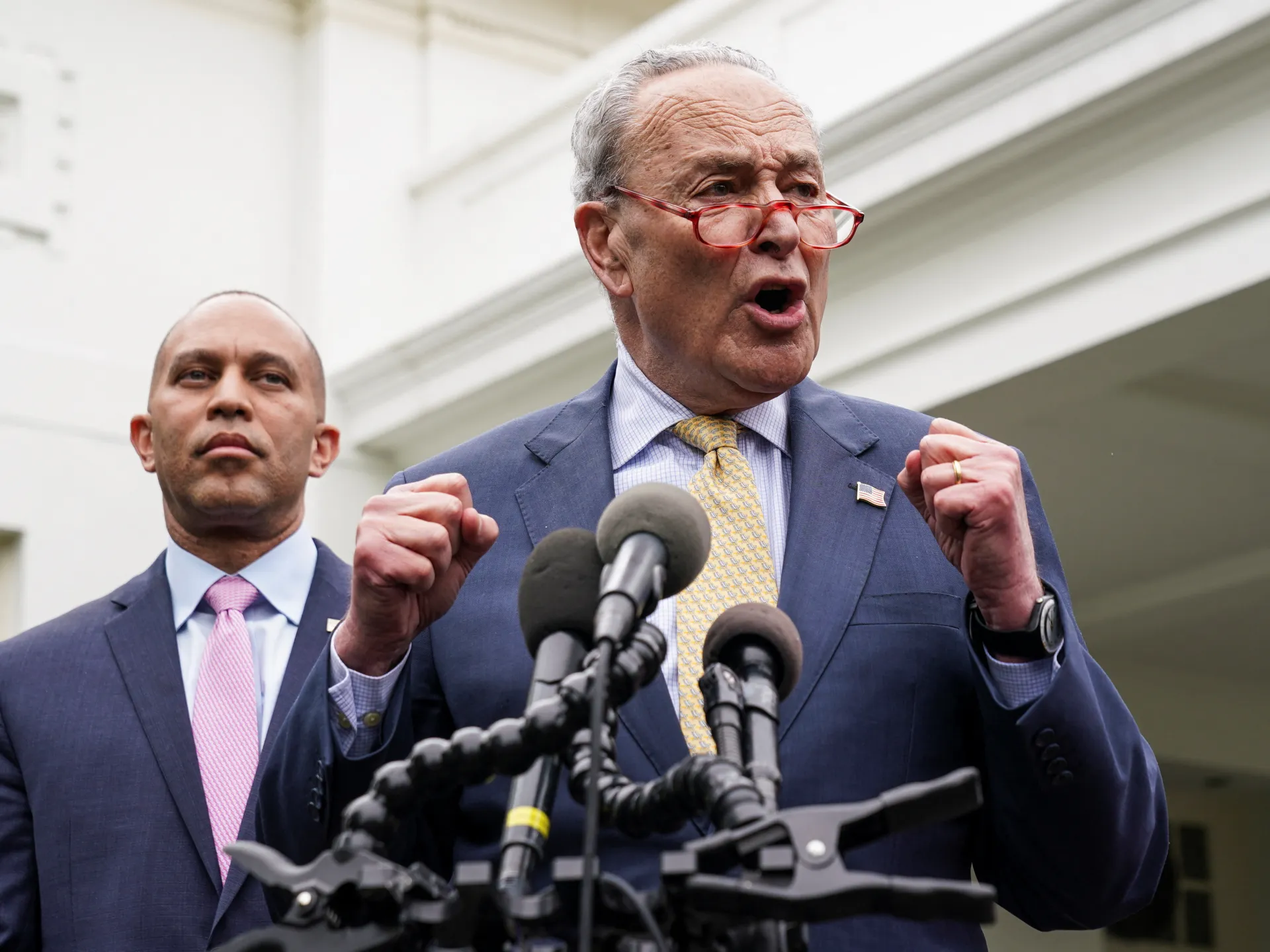
Two years after the 2024 election, Democratic candidates are shifting their policy stances to better align with voter priorities and address internal divisions.
Two years after Donald Trump won his second term, the Democratic Party is reevaluating its policy positions. Many midterm candidates are adjusting their platforms to address voter concerns. These shifts often create tension between party moderates and progressive members.
Meanwhile, party members hold increasingly negative views on Israel’s military actions in Gaza. Recent polls show that 80 percent of Democrats now view Israel unfavorably. Consequently, some leaders are calling for a thorough reexamination of the US-Israeli relationship.
However, party leadership remains divided on this issue. While some senators support sanctions against Israeli officials, others like Chuck Schumer maintain an ironclad commitment to Israel's security. This disagreement highlights the growing rift within the party ranks.
Also, several Democrats in competitive races have changed their stance on transgender rights. Candidates in states like Ohio and South Carolina have publicly opposed transgender students in school sports. They hope this approach appeals to more moderate voters.
Still, other party members strongly reject this shift. Representative Alexandria Ocasio-Cortez recently criticized those who compromise on civil rights to win elections. She argued that protecting transgender rights is essential for all American citizens.
Next, immigration remains a major point of contention for voters. Some candidates now identify as border security Democrats to counter Republican attacks. They advocate for stronger enforcement to gain an advantage in tight Senate races.
Conversely, many progressives are moving further to the left on this issue. Recent incidents involving federal agents have fueled calls to abolish or overhaul Immigration and Customs Enforcement. This movement continues to gain momentum among left-leaning political groups.
Finally, healthcare policy remains a top priority for all Democrats. Many candidates support government intervention to lower rising medical costs. Public support for universal healthcare has increased significantly over the past few years.
While some candidates push for Medicare for All, others prefer restoring existing subsidies. Despite these different approaches, most Democrats agree that the current healthcare system needs major improvements. The party continues to search for a unified path forward.