

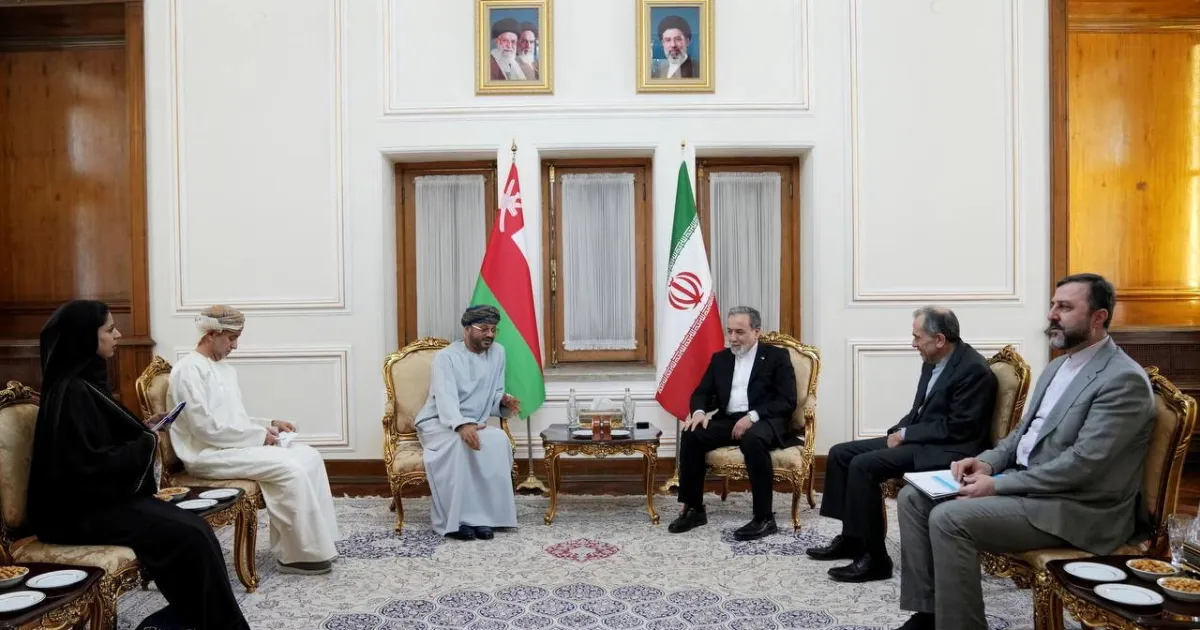
Oman's Foreign Minister suggests a new non-aggression pact to improve security among the eight Gulf littoral states.
Regional leaders face a difficult choice during these times of high tension. Oman’s Foreign Minister, Sayyid Badr Albusaidi, recently proposed a non-aggression pact. This agreement would include all eight Gulf littoral states. It aims to build a stronger and more inclusive security architecture.
Also, the plan involves the six Gulf Cooperation Council members plus Iraq and Iran. Officials recognize that achieving such a deal is quite challenging. However, the current escalation between Iran and the United States makes diplomacy essential.
Next, this proposal builds on a historic meeting from 1976. Back then, all eight nations met in Muscat to discuss collective security. Sadly, later conflicts and the Iranian Revolution prevented further progress for many decades.
Meanwhile, experts argue that regional security remains incomplete without Iran. Iran holds half of the Gulf coastline. Previous attempts to revive this idea faced rejection due to regional distrust. Recent shifts in policy have brought the concept back to the table.
Furthermore, Saudi Arabia and Qatar have expressed interest in new security frameworks. Oman acts as a unique mediator in these discussions. It successfully hosted several rounds of sensitive talks between major powers recently.
Still, critics question if Iran can be a trusted partner. Oman acknowledges these valid concerns after recent drone attacks. Any successful pact must include strict obligations for all members. It cannot rely on promises alone.
After that, the agreement must focus on observable behavior and restraint. Signatories should pledge to avoid force and respect borders. Protecting trade and energy infrastructure must be a primary goal for everyone.
Finally, the group should start with small, practical steps. Military hotlines and maritime safety rules can build needed confidence. A successful pact would not end every conflict, but it would reduce the risk of direct war between members.