
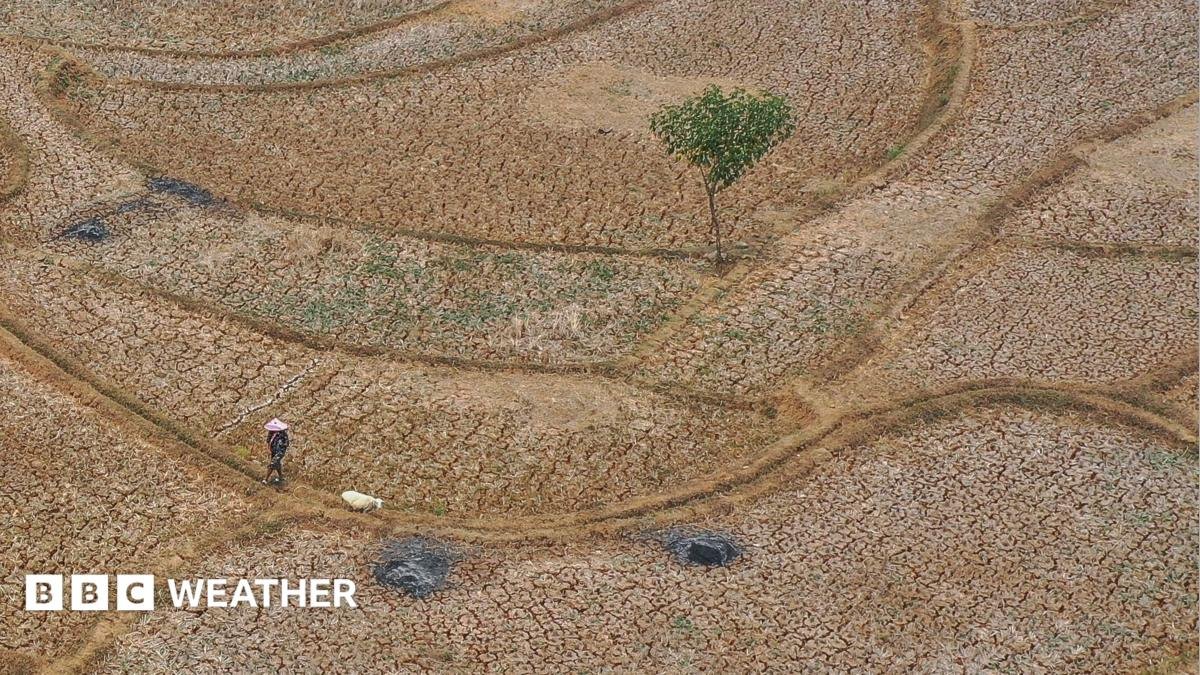
El Nino is significantly impacting global weather, causing wildfires in Indonesia, intense Pacific storms, and droughts in India.
The El Nino climate pattern is growing stronger across the globe. It currently impacts weather in nations like India, Indonesia, and the United States. Experts predict these extreme weather conditions will persist until at least 2027.
Also, Indonesia faces its worst wildfire season since 2015. Fires have destroyed nearly 900,000 hectares of land this year. This toxic haze has caused thousands of respiratory illnesses among the local population.
Meanwhile, the eastern Pacific Ocean shows intense hurricane activity. Warm ocean waters and weak winds help these storms gain strength quickly. This year has already seen 12 hurricanes, which is well above the normal average.
In contrast, the Atlantic Ocean remains unusually quiet this season. El Nino increases wind shear, which helps break apart storms before they grow. Only one hurricane has formed in the Atlantic basin during this period.
Next, India struggles with reduced rainfall during its vital monsoon season. Rainfall levels dropped 13 percent below the usual average. This lack of consistent rain creates significant stress for the country's agricultural sector.
Furthermore, eastern China and Japan have faced powerful typhoons this year. Ten tropical cyclones have formed in the western Pacific. This is the highest number recorded there since 1966.
As a result, these storms have more time to gather energy over warm waters. They often become intense typhoons before striking land. Scientists warn that more storms may develop throughout the year.
Finally, these events show how El Nino changes global weather on a large scale. Droughts, floods, and heatwaves are becoming more frequent. Governments must prepare for these ongoing environmental challenges as the phenomenon continues.