

The 2026 midterm elections are seeing record-breaking spending. Wealthy donors like Elon Musk are funding key Senate races as both parties fight for control.
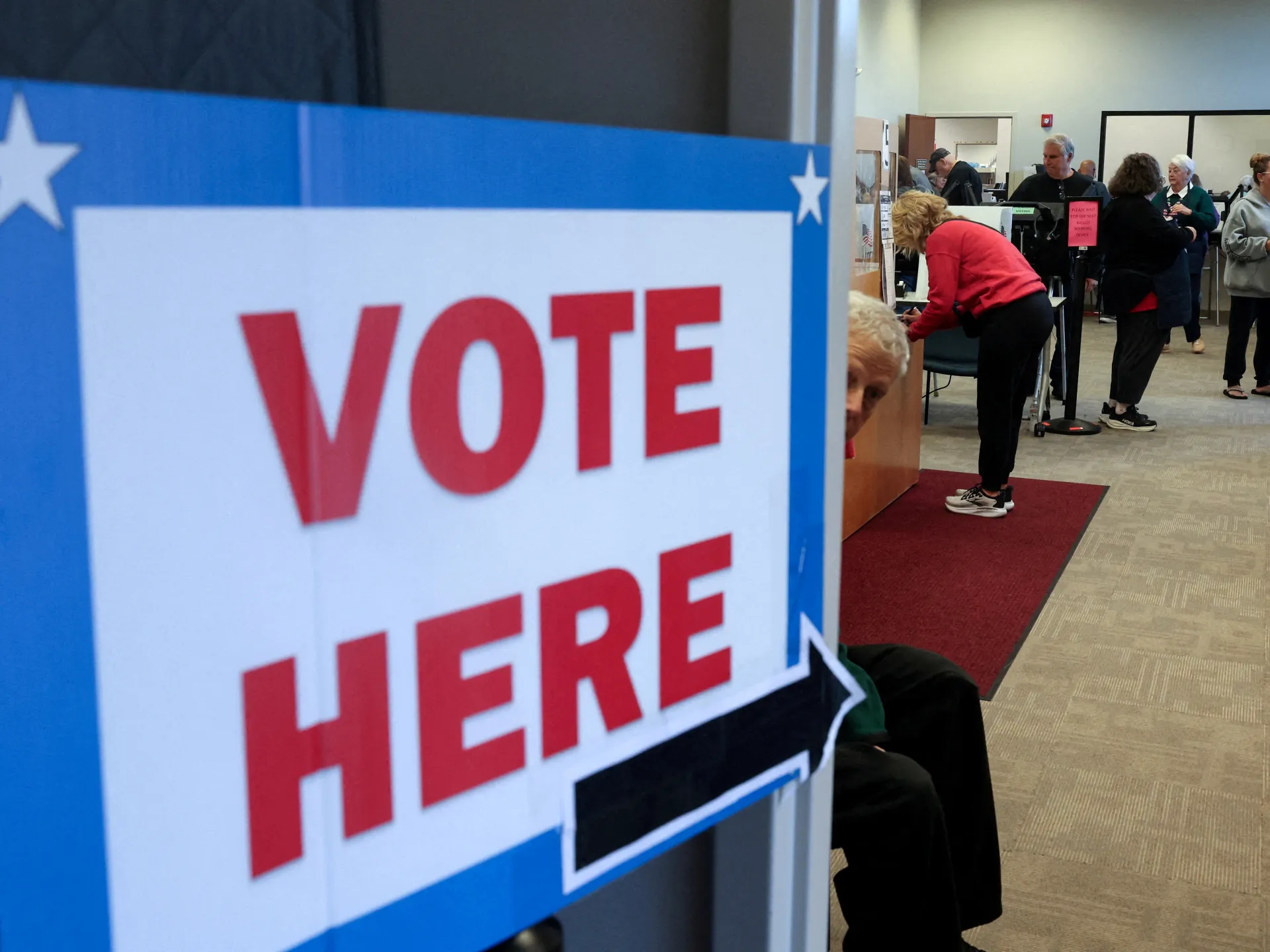
Voters across the United States head to the polls this Tuesday. These 2026 midterm elections serve as a key referendum on President Donald Trump. Control of Congress remains the main goal for both major political parties.
Campaigns and outside groups are pouring hundreds of millions into these races. Total spending is expected to break all previous records. AdImpact estimates that over $11 billion has gone toward advertising so far.
The Senate race in Texas ranks among the most expensive contests. Democrat James Talarico currently holds a slim lead over Republican Ken Paxton. Outside groups have spent nearly $300 million to support Paxton's campaign.
Meanwhile, the Ohio Senate race between Sherrod Brown and Jon Husted is also very costly. Over $435 million has been spent in that state alone. Recent polls show the candidates are in a very tight race.
Also, Michigan features a high-stakes battle between Mike Rogers and Abdul El-Sayed. Spending there has reached approximately $333 million. El-Sayed leads in recent polling, but the outcome remains uncertain.
As a result of these contests, Republicans have raised more total money than Democrats. Republican groups have also spent more during this election cycle. Federal reports show the Republican National Committee holds a significant cash advantage.
However, many Republican donations come from a few very wealthy individuals. For example, Elon Musk donated $446 million to right-wing causes. This represents one of the largest political contributions in history.
Then, other big donors like the Uihleins and Jeff Yass have also contributed millions to Republican efforts. These wealthy individuals often focus their spending on critical Senate seats. They hope to maintain a Republican majority in the chamber.
Finally, Democratic donors include George Soros and Michael Bloomberg. These individuals have provided significant financial support to left-leaning candidates. Despite the spending gap, some polls suggest Democrats could still win control of the House.