The Colombian government has restored diplomatic relations with Israel, triggering strong opposition from former President Gustavo Petro, who labels the move an endorsement of the conflict in Gaza.
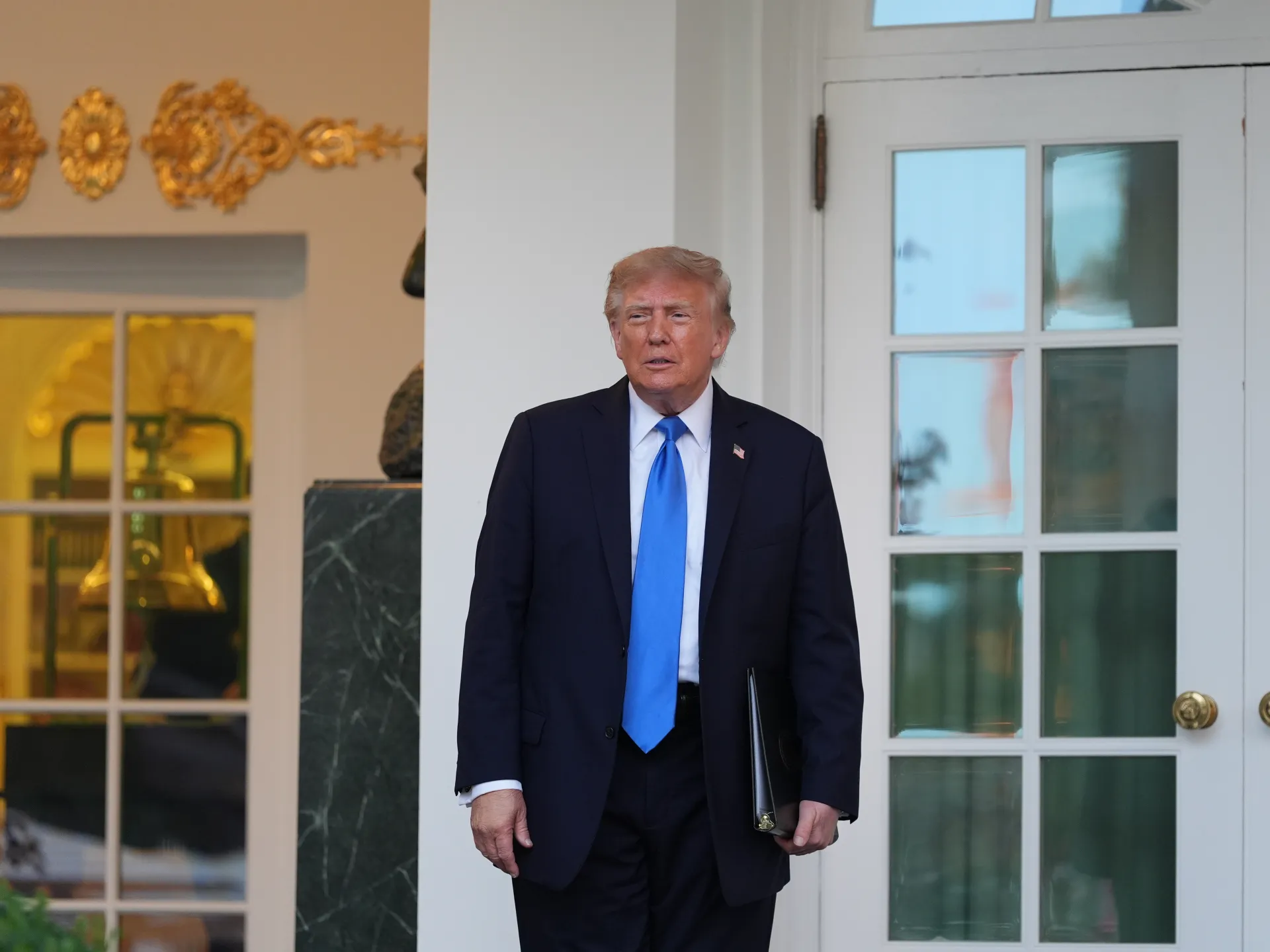
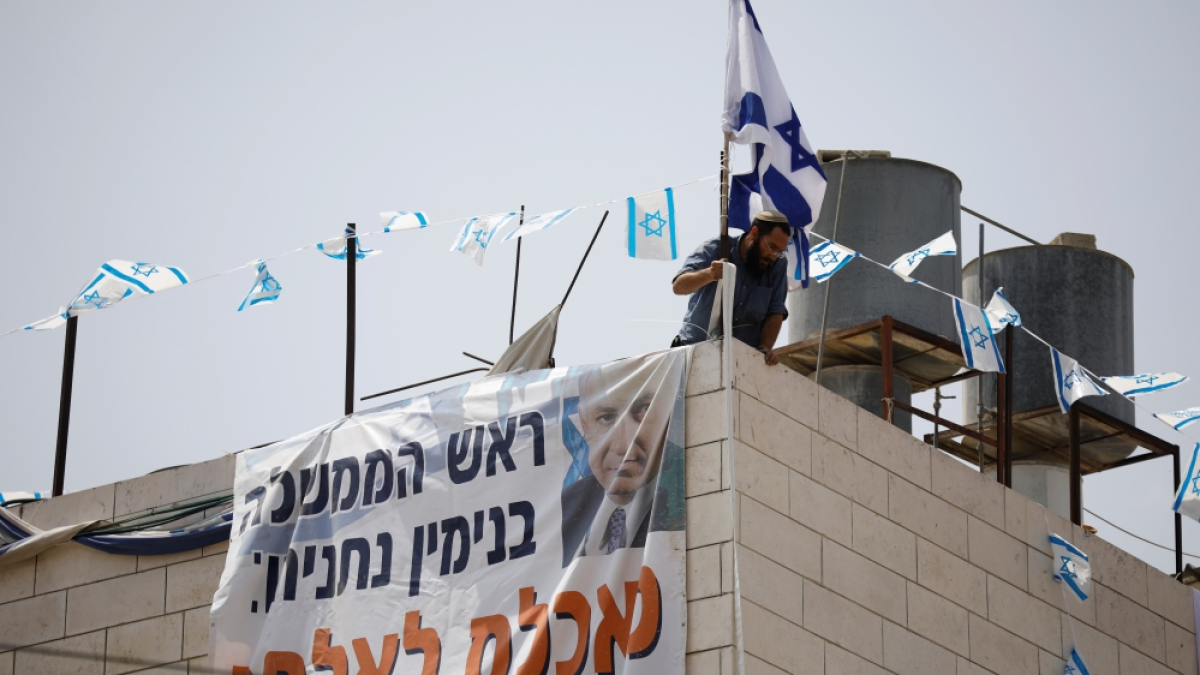
The Colombian government has officially moved to restore diplomatic relations with Israel, reversing a significant policy decision made two years prior. This diplomatic pivot comes under the leadership of the nation’s new right-wing administration, which sought to mend ties that were previously severed during the tenure of former President Gustavo Petro. The restoration of these ties signifies a substantial shift in how the South American nation intends to engage with the Middle Eastern state moving forward.
The previous administration had taken the drastic step of cutting off all diplomatic channels, citing ideological disagreements and severe concerns regarding the conflict in Gaza. to traditional diplomatic engagement, prioritizing state-to-state relations over the protest-driven foreign policy that characterized the previous presidential term. Officials have suggested that this move is intended to stabilize regional cooperation and maintain open lines of communication with international partners.
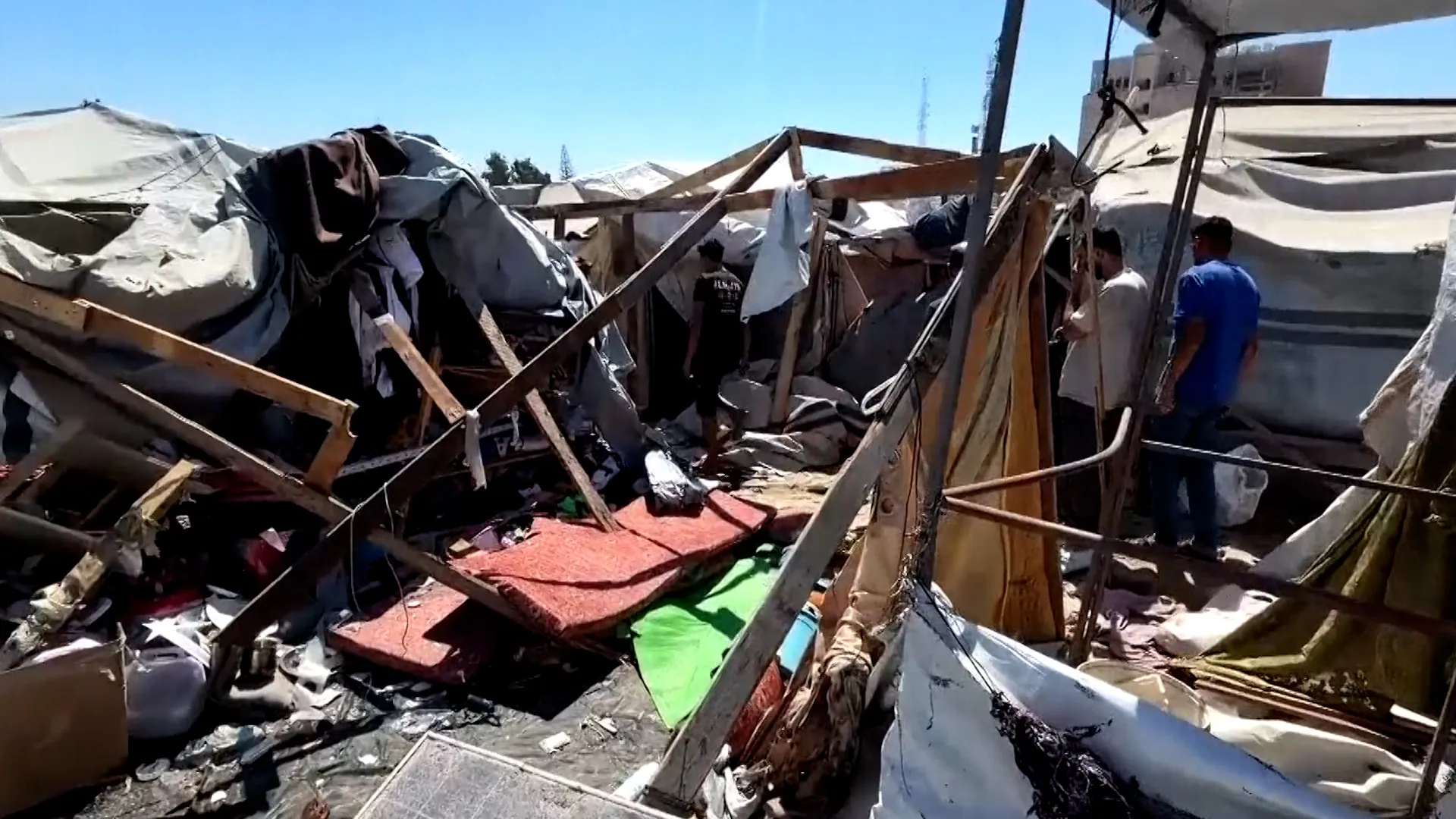
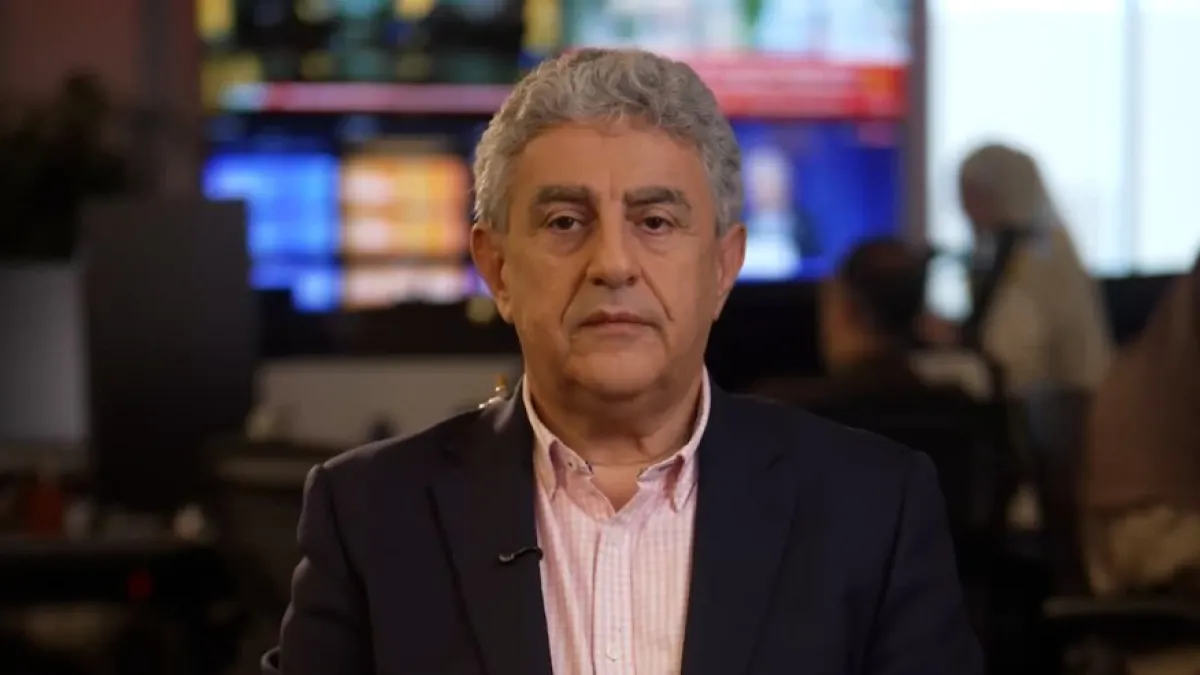
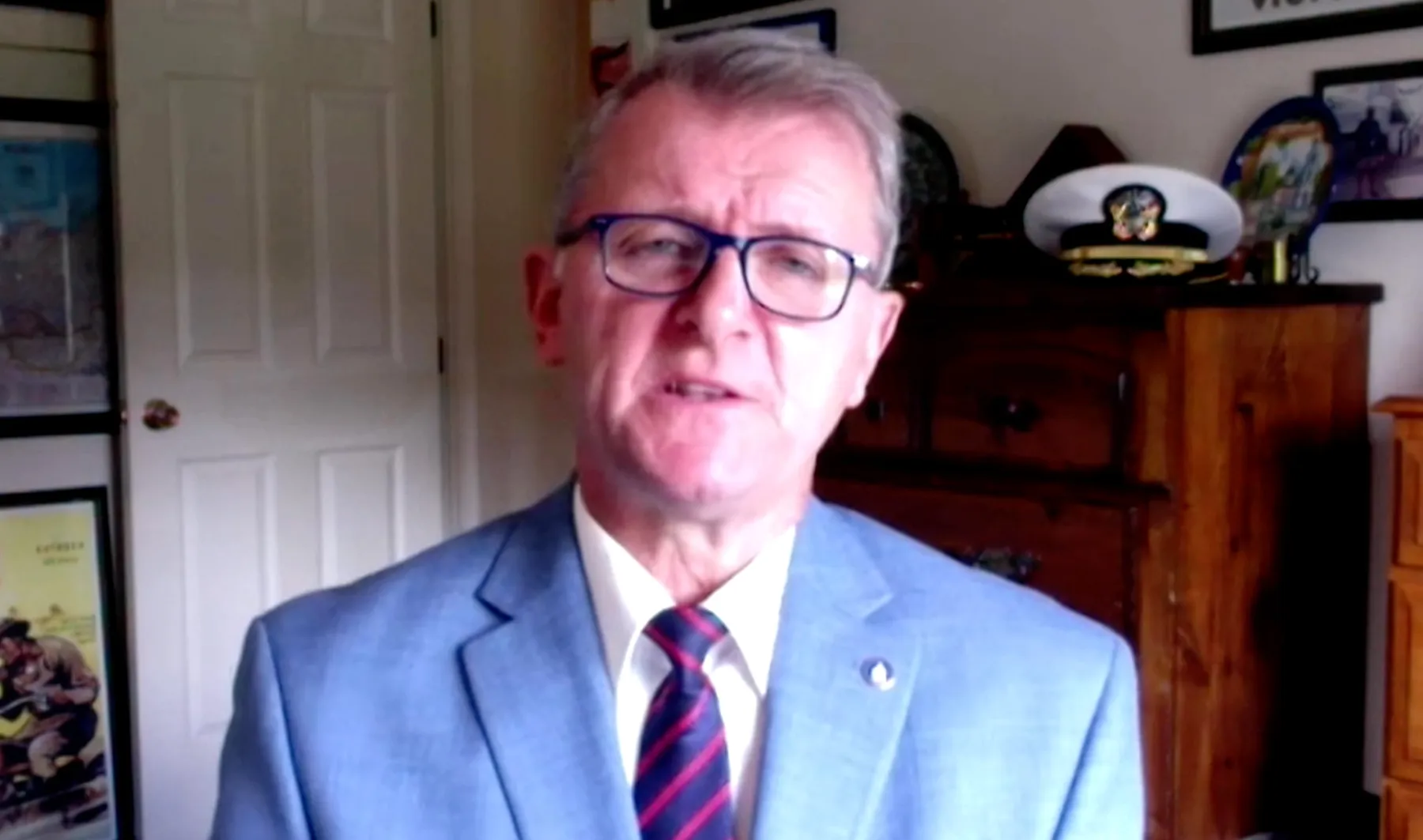
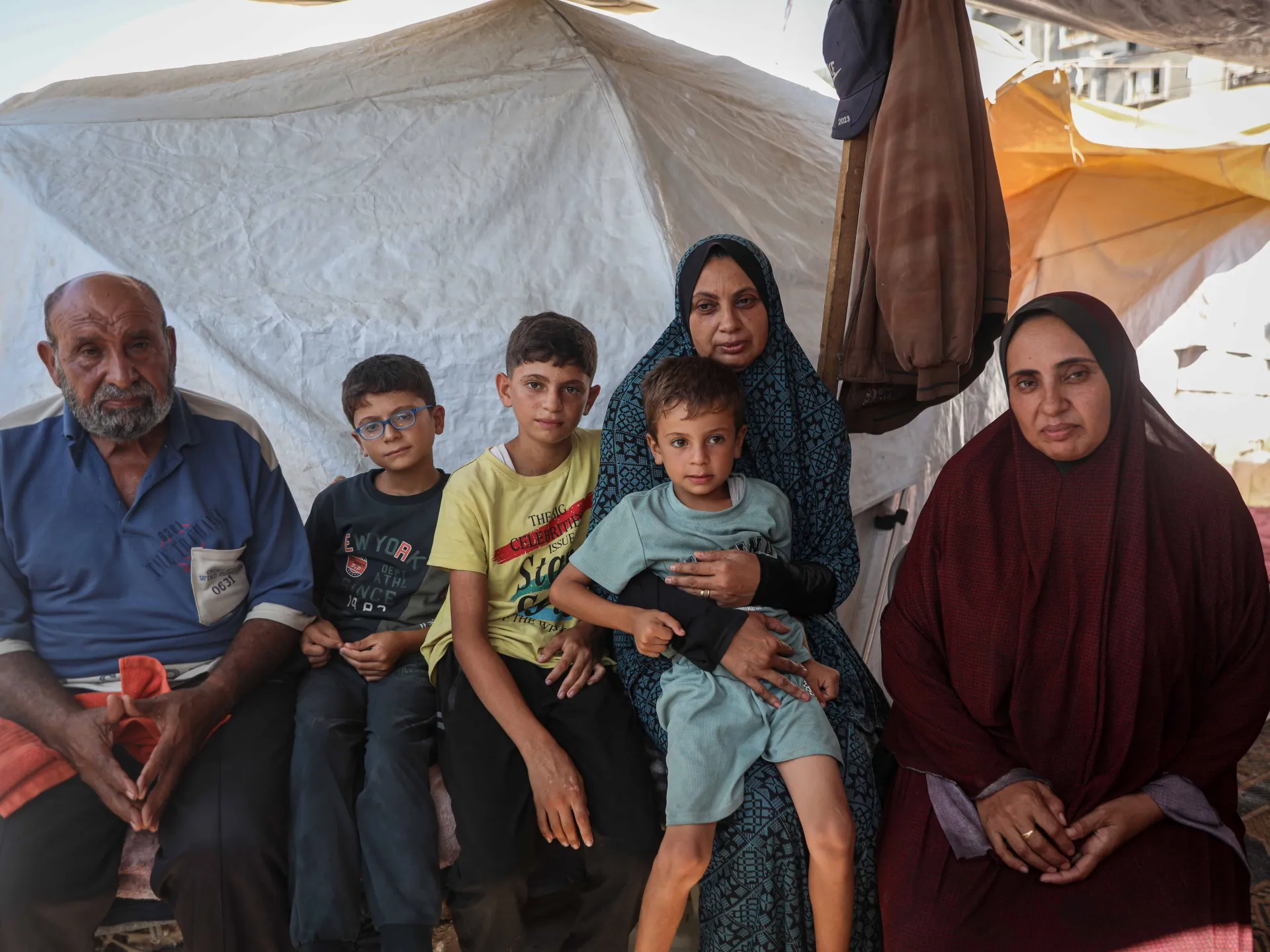
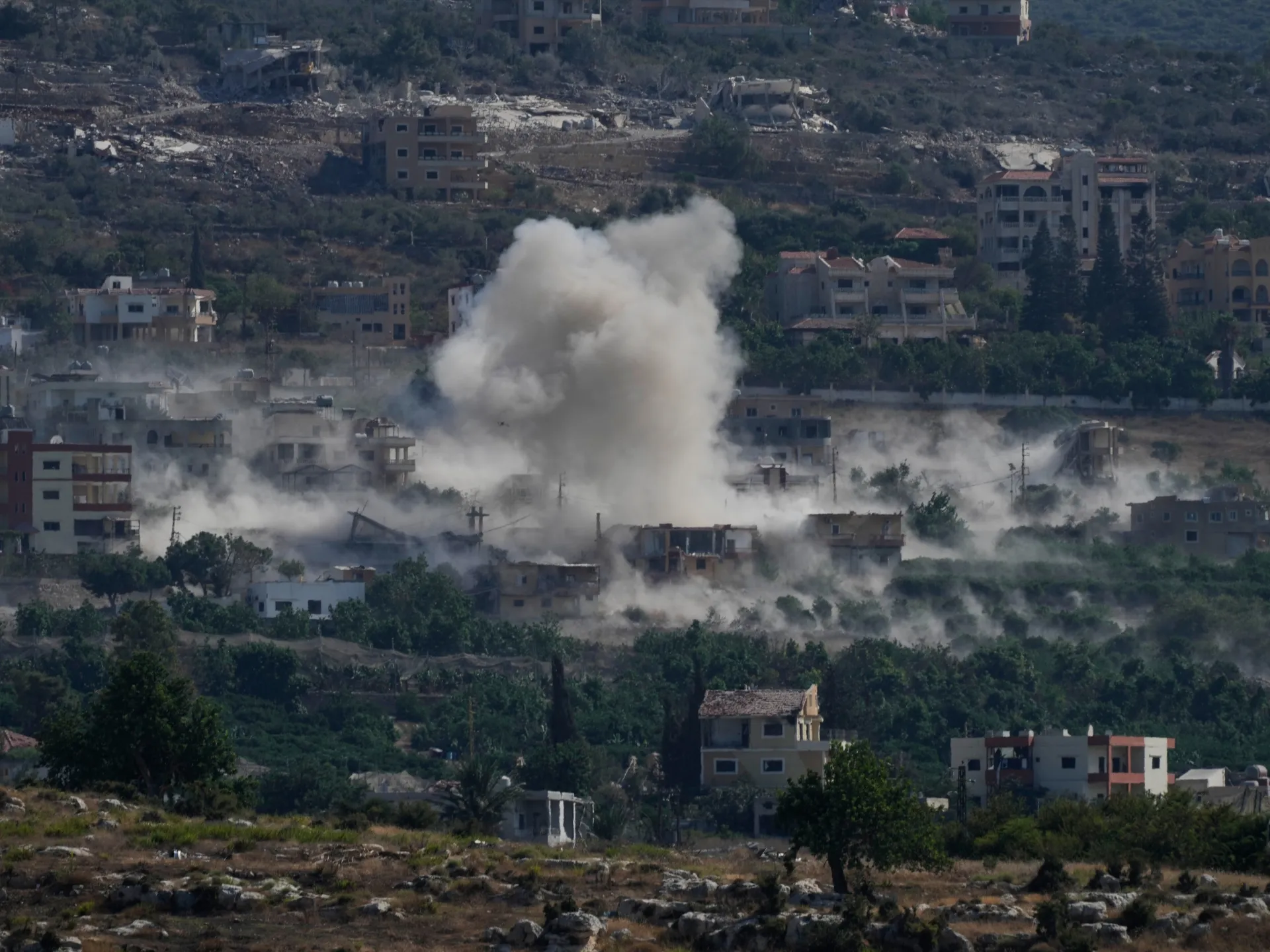
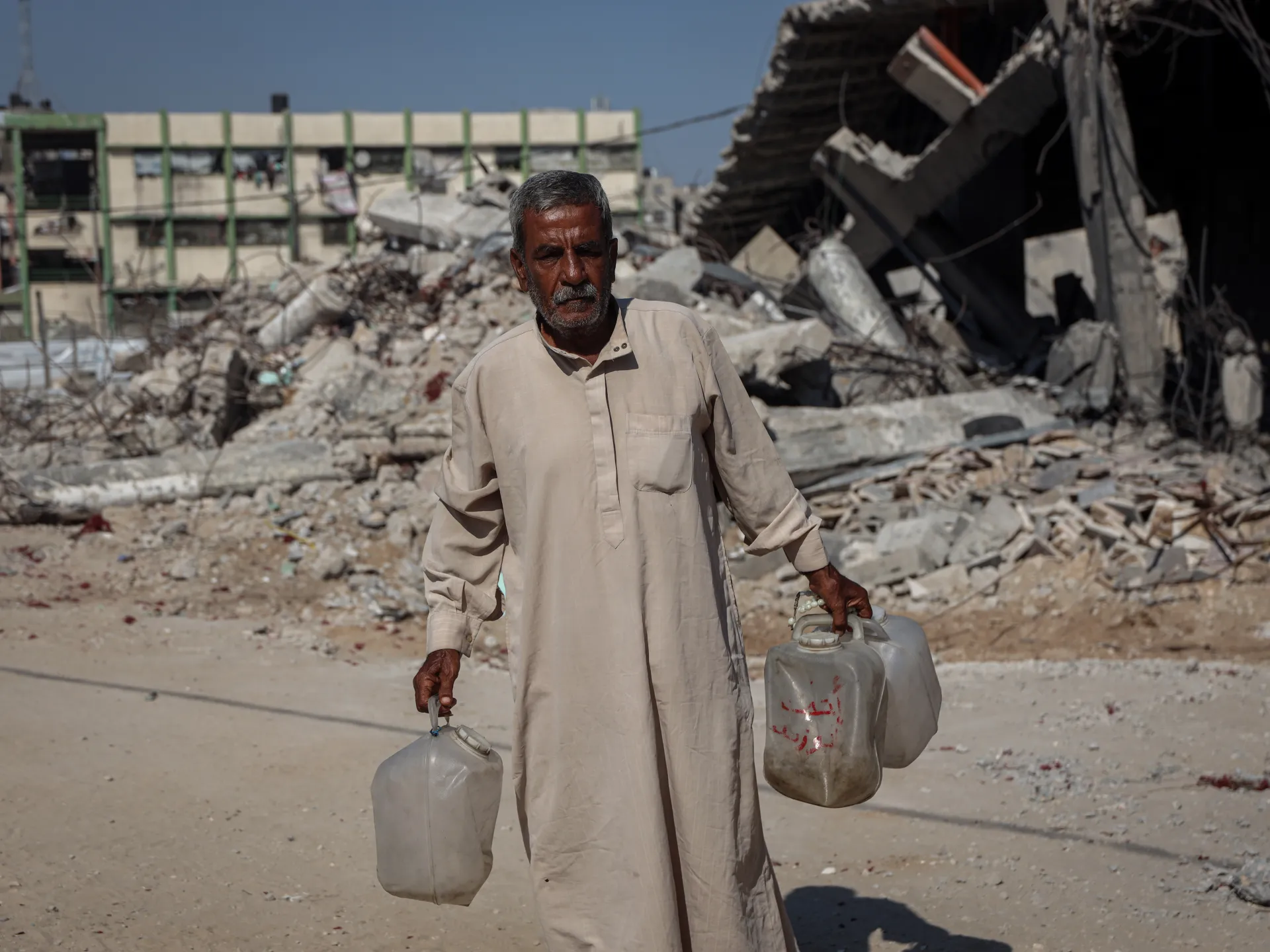
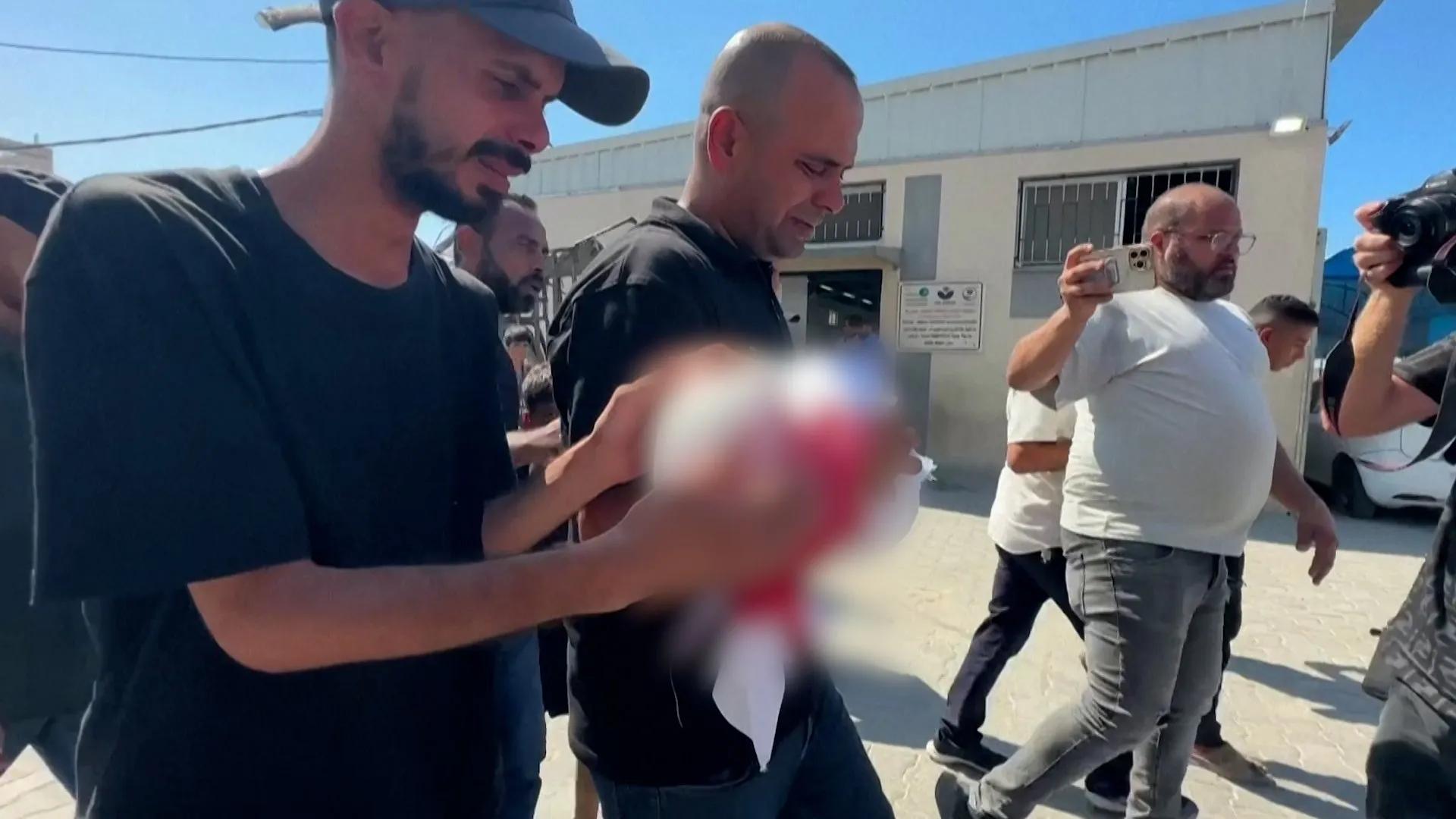
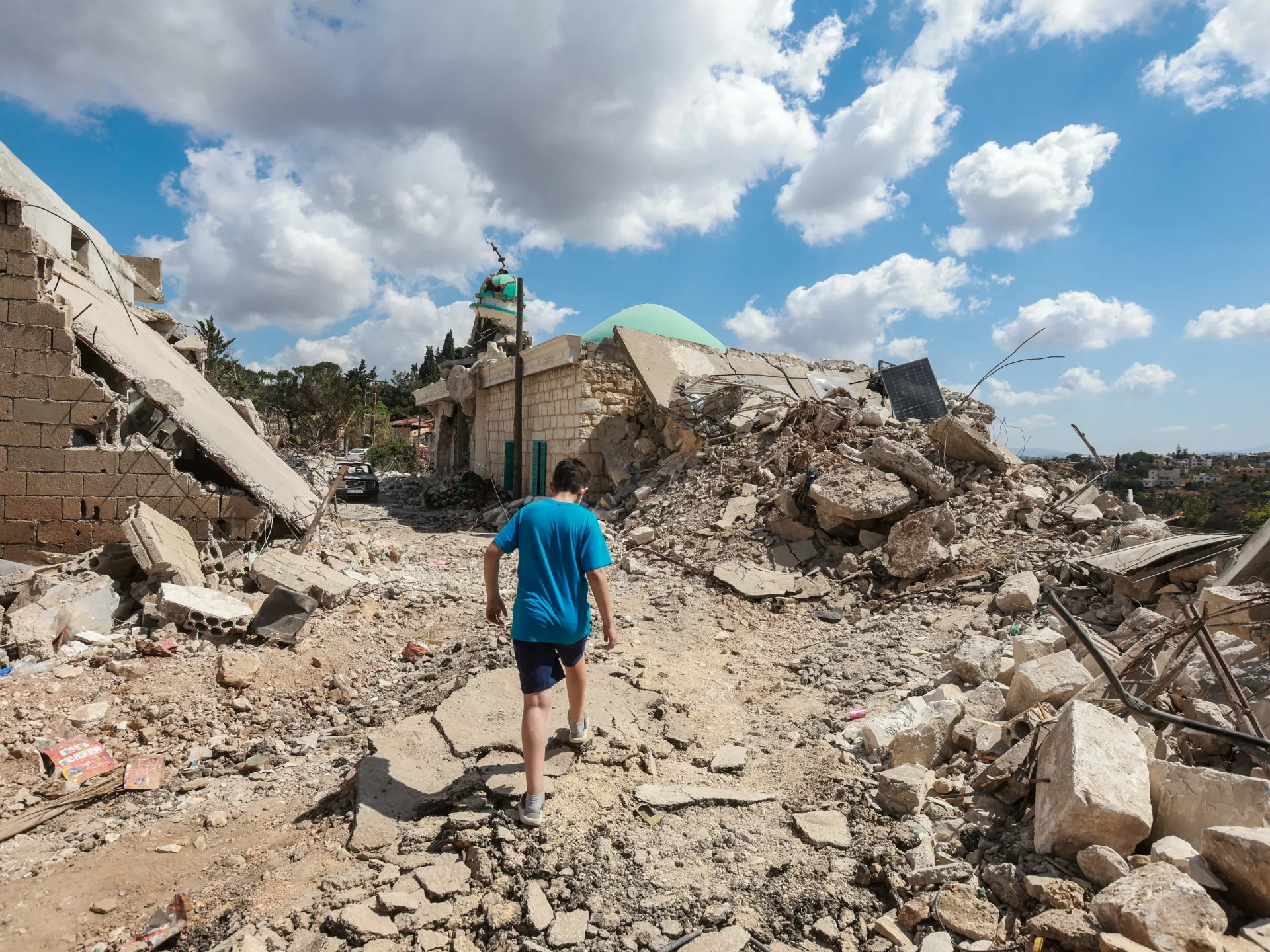
Former President Gustavo Petro has been a vocal critic of the decision to resume diplomatic cooperation with the current Israeli administration. Petro characterized the move as a tacit endorsement of the ongoing military actions in the Gaza Strip. He argued that engaging with the government led rmalize actions that he and many international observers have described as a humanitarian catastrophe.
Petro’s critique centers on the moral implications of maintaining state-level recognition while the humanitarian situation in Gaza remains dire. According to his public statements, the normalization of diplomatic ties functions as a form of applause for the military campaign currently being waged. He maintains that his previous decision to sever relations was a necessary stance against the violence, and he views the current administration’s reversal as a abandonment of that ethical commitment to international human rights standards.
The decision responses to the conflict in Gaza. Many nations remain divided on whether to maintain diplomatic pressure through isolation or to keep communication channels open to advocate for peace and humanitarian aid. The Colombian case serves as a prime example of how domestic political shifts can lead to rapid reversals in foreign policy, often reflecting deeper ideological divides within a country.
As the new administration settles into its role, it must navigate the potential fallout from this controversial decision. While the move is intended to strengthen international alliances, it has clearly ignited a fierce domestic debate regarding the values that should guide the nation's foreign affairs. The tension between geopolitical pragmatism and moral advocacy continues to be a central theme in Colombian politics, as the government faces pressure from both proponents of traditional diplomacy and those who support the activist stance taken
Moving forward, the restoration of these diplomatic ties will likely influence Colombia’s standing in international forums, particularly regarding debates on Middle Eastern conflicts. ioning itself within a specific bloc of nations that maintain active diplomatic engagement with Israel despite widespread global criticism of its military operations. This alignment may have repercussions for Colombia’s relationships with other regional neighbors who remain highly critical of the situation in Gaza.