

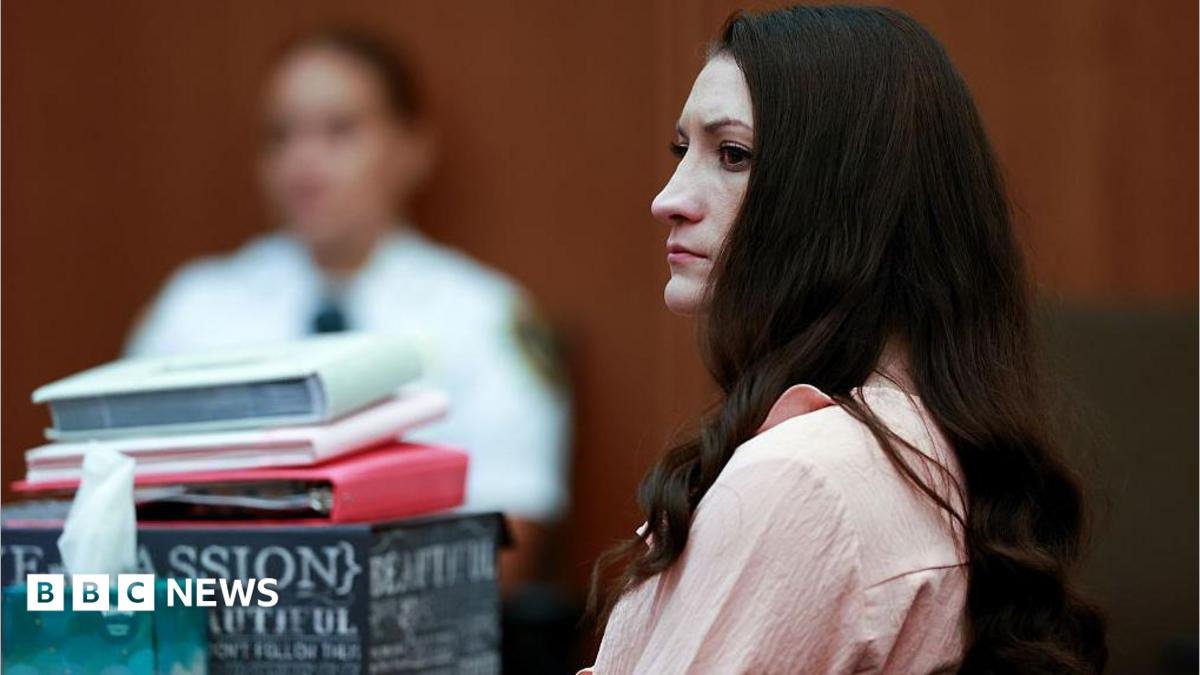
A forensic psychiatrist testified that Lindsay Clancy was suffering from a command hallucination and postpartum psychosis during the killing of her children.
During the ongoing trial of Lindsay Clancy, a Massachusetts mother accused of killing her three young children, the defense presented critical testimony from a forensic psychiatrist. Dr. Phillip Resnick, the final witness for the defense, testified that Clancy was suffering from a severe condition known as postpartum psychosis at the time of the incident in January 2023. According to Dr. Resnick, Clancy experienced a "command hallucination," which compelled her to carry out the act.
Dr. Resnick explained to the jury that, in his professional opinion, the defendant was fundamentally unable to conform her behavior to the requirements of the law due to her mental state. He characterized the events as a situation where the defendant was following internal commands rather than making a conscious, rational choice. Furthermore, he noted that Clancy was suffering from a "delusion of influence," leading her to falsely believe that killing her children was a form of mercy or a way to provide them with a better existence.
The defense’s case hinges on the argument that Clancy, who has pleaded not guilty to three counts of first-degree murder, lacked the capacity to distinguish right from wrong during the incident. Dr. Resnick’s assessment was based on an evaluation of the defendant following the tragedy, as well as a comprehensive review of her medical history and records.
In contrast to the defense’s claims of mental illness, the prosecution has maintained that the deaths of five-year-old Cora, three-year-old Dawson, and eight-month-old Callan were the result of a calculated, intentional decision. Prosecutors argue that the defendant methodically strangled the children using fitness bands before attempting to take her own life
The trial has featured weeks of testimony, including emotional accounts from family members who witnessed the rapid decline of the defendant’s mental health following the birth of her youngest son. Her former mother-in-law, Susan Clancy, described the defendant as a once-nurturing and loving mother who was actively "begging for help" in the days leading up to the tragedy. These accounts underscore the defense's position that the defendant was suffering from an acute medical emergency.
The case has brought significant public attention to the complexities and dangers of postpartum psychosis. Unlike the common "baby blues," which many new mothers experience, postpartum psychosis is recognized d tional thoughts that can lead to dangerous behaviors.
Medical professionals emphasize that this condition requires immediate intervention and intensive psychiatric treatment. In the days preceding the tragedy in 2023, the defendant had sought help and checked herself into a psychiatric facility. The defense’s narrative highlights the tragic outcome of a system that may have failed to adequately address the severity of her condition before she returned home.
As the trial nears its conclusion, jurors are faced with the difficult task of weighing clinical psychiatric testimony against the prosecution’s evidence of premeditation. The case is expected to be handed over to the jury for deliberation early next week. The outcome of this trial will likely spark further discussions regarding mental health care for new mothers and the legal standards for criminal responsibility in cases involving postpartum psychiatric disorders.
The gravity of the charges and the tragic nature of the loss have made this a high-profile case within Massachusetts and beyond. Regardless of the verdict, the events of January 2023 serve as a stark reminder of the importance of recognizing the signs of severe postpartum mental illness and providing adequate resources for those in crisis.