

Tehran has issued direct warnings to Bulgaria over its support for US military operations, raising concerns about the expansion of the Iran-US conflict into Europe.
The ongoing conflict between the United States, Israel, and Iran has taken a precarious turn, moving beyond the traditional theaters of the Middle East. While regional powers initially braced for localized instability, Tehran has increasingly signaled that its retaliatory reach may extend toward Europe. Specifically, the Iranian government has identified the southeastern region of Europe, and Bulgaria in particular, as potential points of friction due to the hosting of critical military infrastructure.
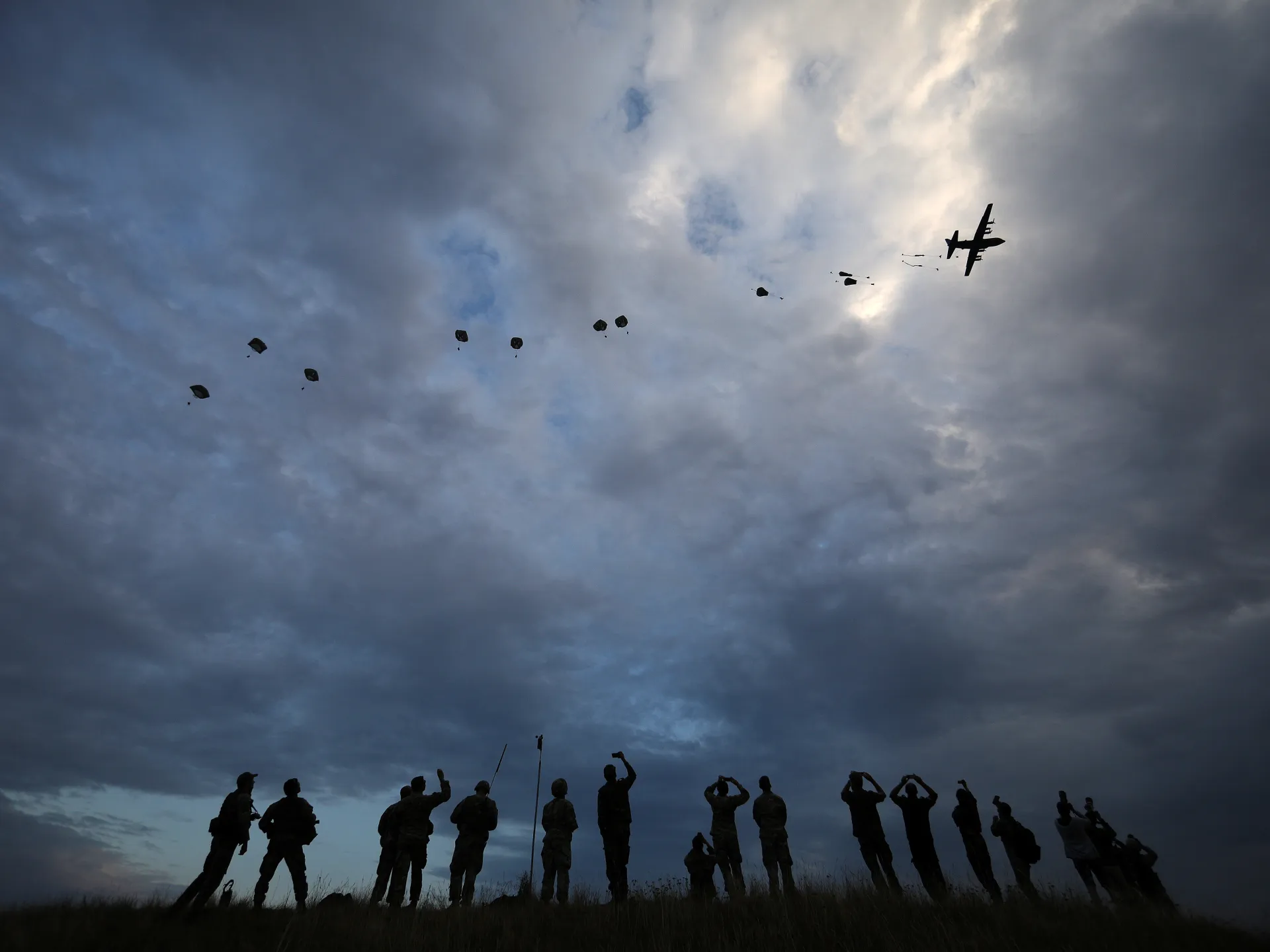
This development follows a diplomatic shift in July, when the Bulgarian parliament authorized the utilization of the Bezmer Air Base for the refueling of American military aircraft. The Iranian Foreign Ministry has framed this decision as a direct contribution to US-led military operations. Consequently, Tehran has explicitly warned that any nation providing logistical support or staging grounds for what it describes as aggression will be treated as a legitimate target in the event of further escalation.
Analysts suggest that southeastern Europe has become a focal point for Iranian strategic posturing because of its role as a logistical hub for Western military interests. As a region bordering the Black Sea, it serves as a critical conduit for supplies destined for Ukraine, while simultaneously hosting essential NATO infrastructure. Experts describe this area as Europe's "soft underbelly," where the density of military assets makes it an attractive, albeit high-risk, target for a state looking to project power far from its own borders.
Despite these warnings, the domestic perception in Bulgaria remains largely detached from the urgency of the situation. Many observers note that the Bulgarian public views the conflict in the Middle East as a remote issue compared to the immediate, existential threat posed l capacity and pressure from Washington, has found it difficult to refuse requests for base usage, even as the threat of becoming a theater for a broader international conflict grows.
While the technical capability of Iranian missile systems to reach European soil is widely acknowledged, the strategic utility of such an attack remains a subject of intense debate among security analysts. A direct strike on a NATO and European Union member state would likely trigger Article 4, fundamentally altering the security landscape and potentially forcing a unified military response from the alliance. This outcome would likely run counter to Iran’s primary goal, which is to drive a wedge between European nations and the United States.
Many experts argue that for Tehran, the rhetorical threat of an attack holds more value than the act itself. tic politics across the continent, encouraging populations and leaders to distance themselves from the American military campaign. The objective is to create enough hesitation within Europe to weaken the coalition supporting US operations, thereby forcing a shift in Western diplomatic priorities.
Beyond the immediate threat of missile strikes, the most significant danger to European stability lies in the potential for a long, drawn-out war. If the conflict remains at a low simmer for an extended duration, the cumulative economic consequences—such as inflation and energy market volatility—could become the primary burden for European citizens. This economic strain threatens to divert political attention and resources away from the war in Ukraine, which remains the central security focus for the region.
Ultimately, the risk of an actual attack on European soil is tempered ver, the unpredictability of military command structures and the "credibility trap"—whereby a nation feels forced to act on its previous public threats to preserve its reputation—means that the danger remains non-zero. As the situation evolves, the primary challenge for Europe will be managing its commitment to the US alliance while preventing the Middle Eastern conflict from destabilizing its own security and economic future.