

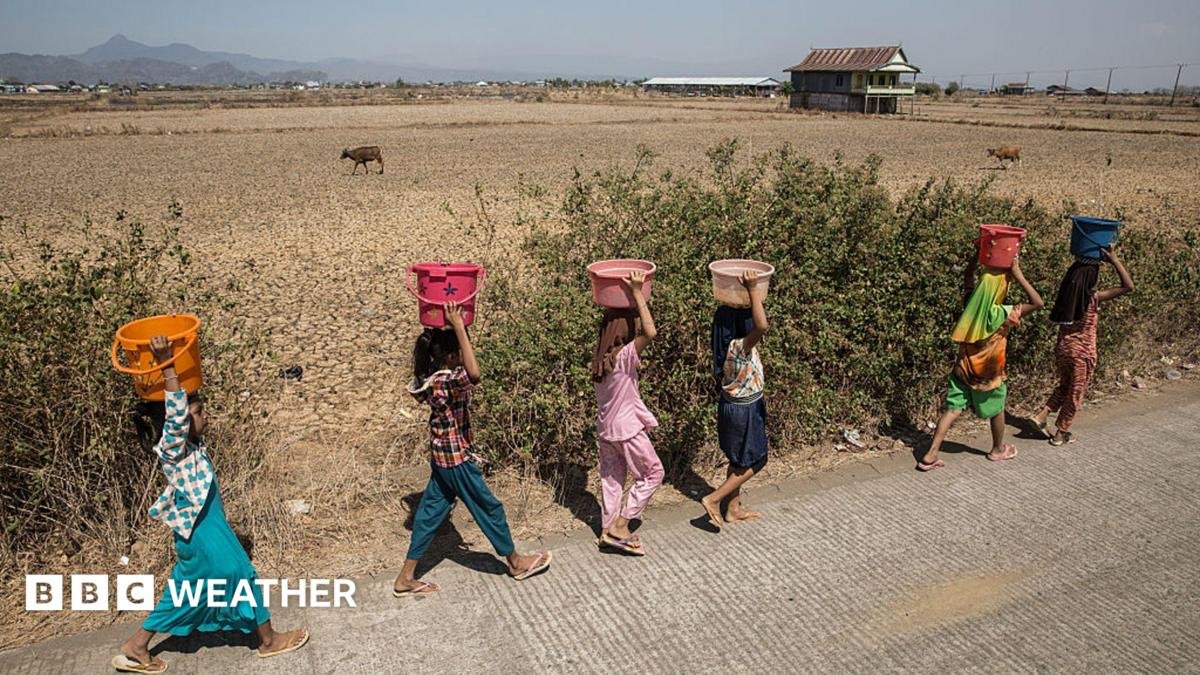
The UK Met Office warns that a developing El Niño in the Pacific is set to become the most powerful in recorded history, likely pushing 2027 to become the hottest year on record.
Meteorological experts are monitoring the development of an El Niño event in the Pacific Ocean that is poised to become the most significant occurrence in living memory. The UK Met Office has issued a stark warning regarding the intensity of this natural phenomenon, noting that the signals currently observed in long-range forecasts are unlike anything recorded in historical data. This event is characterized bal weather patterns and elevates average temperatures worldwide.
The scale of this event is underscored tion typically requires temperatures to be 0.5C above the historical average, current readings have surpassed 2C. Forecasts suggest these anomalies could climb as high as 3C or even 4C as the phenomenon reaches its peak. Such figures are unprecedented since reliable record-keeping began in 1950, and some researchers suggest this could represent the most powerful event in centuries.
The underlying mechanics of this surge involve a reservoir of warm water deep beneath the ocean surface, measured at approximately 100 meters deep, where temperatures are roughly 8C above normal. This deep-water heat acts as a significant fuel source, providing the energy necessary to sustain and amplify the event over the coming months. Because the phenomenon is still in its developmental phase, experts have expressed increased confidence that it will set new records for intensity.
The influence of El Niño extends far beyond the Pacific basin, creating a ripple effect that alters atmospheric circulation and rainfall distribution globally. Because these events change the flow of trade winds, they inevitably cause diverse and often extreme weather conditions. Evidence of these changes is already manifesting, with South Asia experiencing suppressed monsoon rainfall and the Atlantic Ocean showing reduced hurricane activity, characterized
Proximity to the tropical Pacific brings the most immediate and severe threats. Australia faces heightened risks of drought and dangerous bushfires, while nations such as Peru and Ecuador, along with parts of the southern United States, are bracing for an increased probability of severe flooding. These shifts in precipitation and temperature can lead to agricultural instability, with international organizations already flagging concerns regarding food insecurity for millions of people in vulnerable regions.
For the United Kingdom and north-west Europe, the impacts are expected to be most pronounced during the autumn and early winter months. While El Niño is not considered the primary cause of recent summer heatwaves, it is linked to a higher likelihood of wet and stormy conditions later in the year. Interestingly, while the primary effect is often associated with warmth, there is also a loose correlation suggesting an increased chance of cold snaps during the latter part of the winter season.
The interaction between this powerful natural event and ongoing human-induced climate change is a primary concern for the scientific community. As El Niño releases substantial quantities of stored ocean heat into the atmosphere, it creates a compounding effect on global temperatures. Climate scientists have indicated that this process typically results in the highest global average temperatures during the calendar year immediately following the winter peak of the event.
Based on these projections, there is a high degree of certainty that 2027 will surpass previous records to become the hottest year ever documented. This forecast accounts for both the natural variability of the Pacific cycle and the long-term upward trend in temperatures driven sh global systems into uncharted territory, necessitating improved preparedness for extreme weather events.
The consensus among researchers at institutions like the Met Office and Berkeley Earth is that we are witnessing a phenomenon that challenges historical understanding. As the event continues to evolve, the global community must remain vigilant, as the secondary effects of such a strong El Niño—ranging from agricultural disruption to increased storm frequency—could have lasting socioeconomic consequences across various continents.