

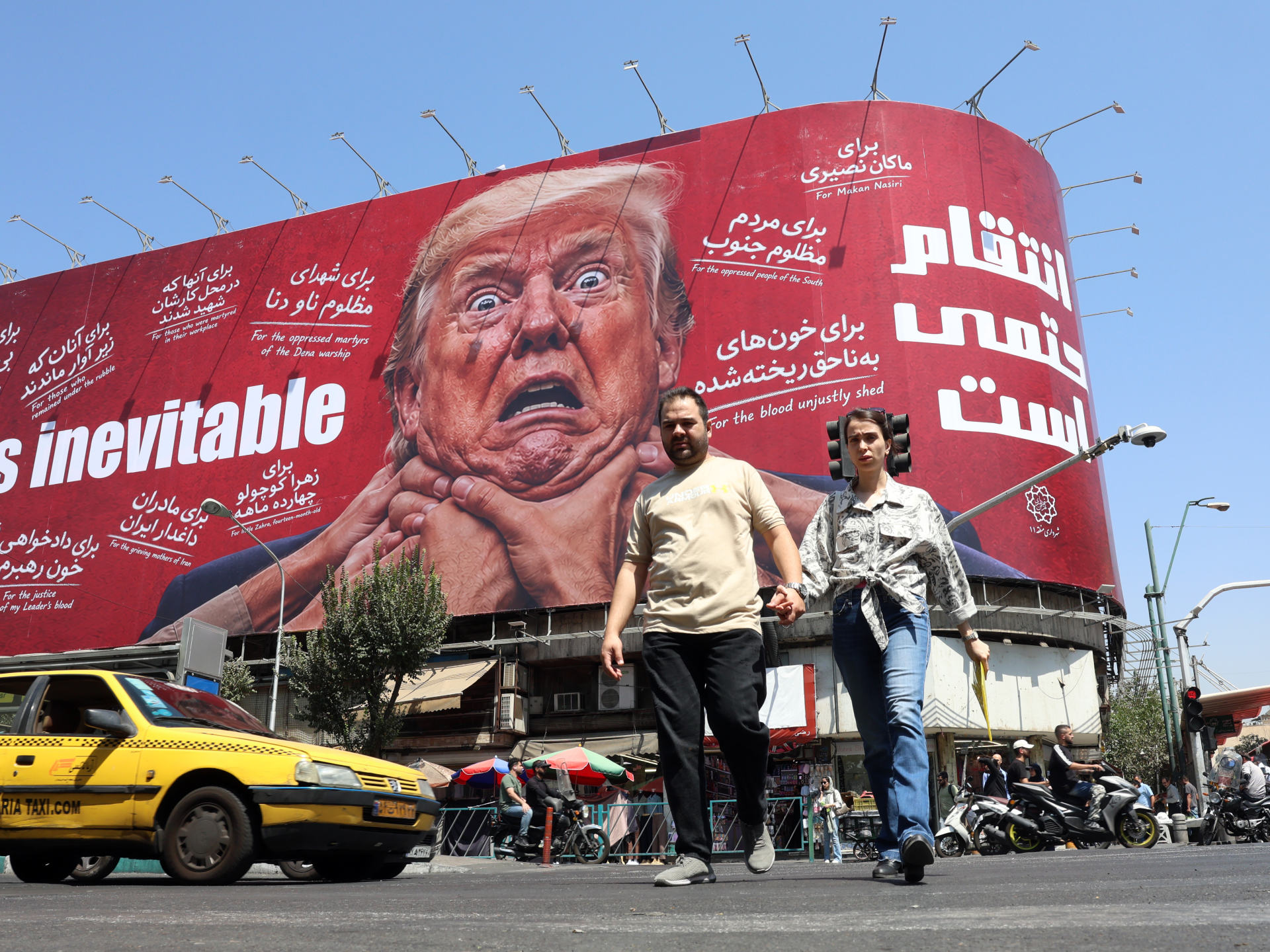
Washington has intensified its economic campaign against Iran, threatening severe consequences for nations that continue to trade with Tehran as regional tensions persist.
The current administration in Washington has announced a significant intensification of its economic strategy against Iran, characterizing the move as an unprecedented effort to isolate the nation. This escalation, framed going regional tensions, includes explicit threats of severe economic consequences for any international entity that facilitates trade with Tehran. The proposed measures target a broad spectrum of economic activity, including financial institutions, logistics hubs, and private businesses that provide lifelines to the Iranian economy.
While the administration has labeled this policy an "economic D-Day," analysts remain divided on the efficacy of such unilateral actions. Historically, Washington has utilized various sanctions packages to target Iranian oil exports and financial infrastructure. However, the effectiveness of these measures is often mitigated lop alternative logistical networks. The administration’s latest rhetoric suggests a move toward even more aggressive enforcement, though specific mechanisms for implementing these secondary sanctions against sovereign nations remain largely undefined.
Despite years of sustained international pressure, Iran has maintained essential trade relationships while oil exports have fluctuated significantly due to naval blockades and shifting geopolitical alliances, Tehran continues to export crude oil and non-oil goods to key markets. Major partners, including China, have historically resisted compliance with unilateral American mandates, sometimes implementing domestic legislation to protect their firms from foreign interference. This dynamic creates a significant hurdle for any attempt to achieve a total economic blockade.
Furthermore, Iran has demonstrated a capacity to adapt to shifting trade landscapes. Recent developments, such as the finalization of oil export agreements with partners like Tajikistan, highlight Tehran’s ongoing efforts to diversify its trade routes. While the United Arab Emirates recently announced an indefinite trade embargo against Iran, citing security concerns, other nations maintain a more ambiguous stance. The reliance on informal trade hubs and private sector transactions allows Iran to circumvent traditional banking restrictions, making it difficult for foreign powers to monitor or halt the flow of goods entirely.
From a legal and diplomatic standpoint, the ability of one nation to unilaterally enforce a global embargo is limited he United Nations Security Council, the United States lacks the formal authority to mandate a total cessation of trade between Iran and the rest of the world. Consequently, Washington is restricted to using its own financial system as a leverage point, penalizing entities that utilize US dollars or interact with American financial institutions. This approach requires significant multilateral coordination, which is currently complicated
The role of emerging economic blocs also complicates the landscape of international sanctions. Iran’s move toward deeper integration with organizations like BRICS represents a strategic attempt to access alternative financing and trade mechanisms. While these groups have not issued a unified stance on the current conflict, the existence of such platforms provides a potential pathway for Iran to mitigate the effects of isolation. Whether these alliances can provide sufficient economic support to offset the impact of the latest American measures remains a central question for global market observers.
As the standoff continues, the prospect of escalation remains a concern for regional stability. Some analysts argue that if economic pressure reaches a breaking point, the risk of a shift toward kinetic military confrontation increases. Tehran has repeatedly dismissed the effectiveness of these sanctions, framing them as a symptom of broader failures in American policy and a distraction from domestic economic crises within the United States. The resilience of the Iranian leadership in the face of these measures suggests that a quick resolution through economic attrition is unlikely.
Ultimately, the latest announcements from Washington may serve as much to signal strength to a domestic audience as they do to change the behavior of international partners. The complexity of global supply chains, combined with the political necessity for many nations to maintain energy security, ensures that trade with Iran will likely continue in various forms. While the cost of doing business with Tehran will undoubtedly rise, the history of sanctions suggests that total isolation is an elusive goal in an interconnected global economy.