The Pentagon has initiated a massive production surge for Tomahawk missiles, raising questions about current stockpile levels and the future of global defense strategy.
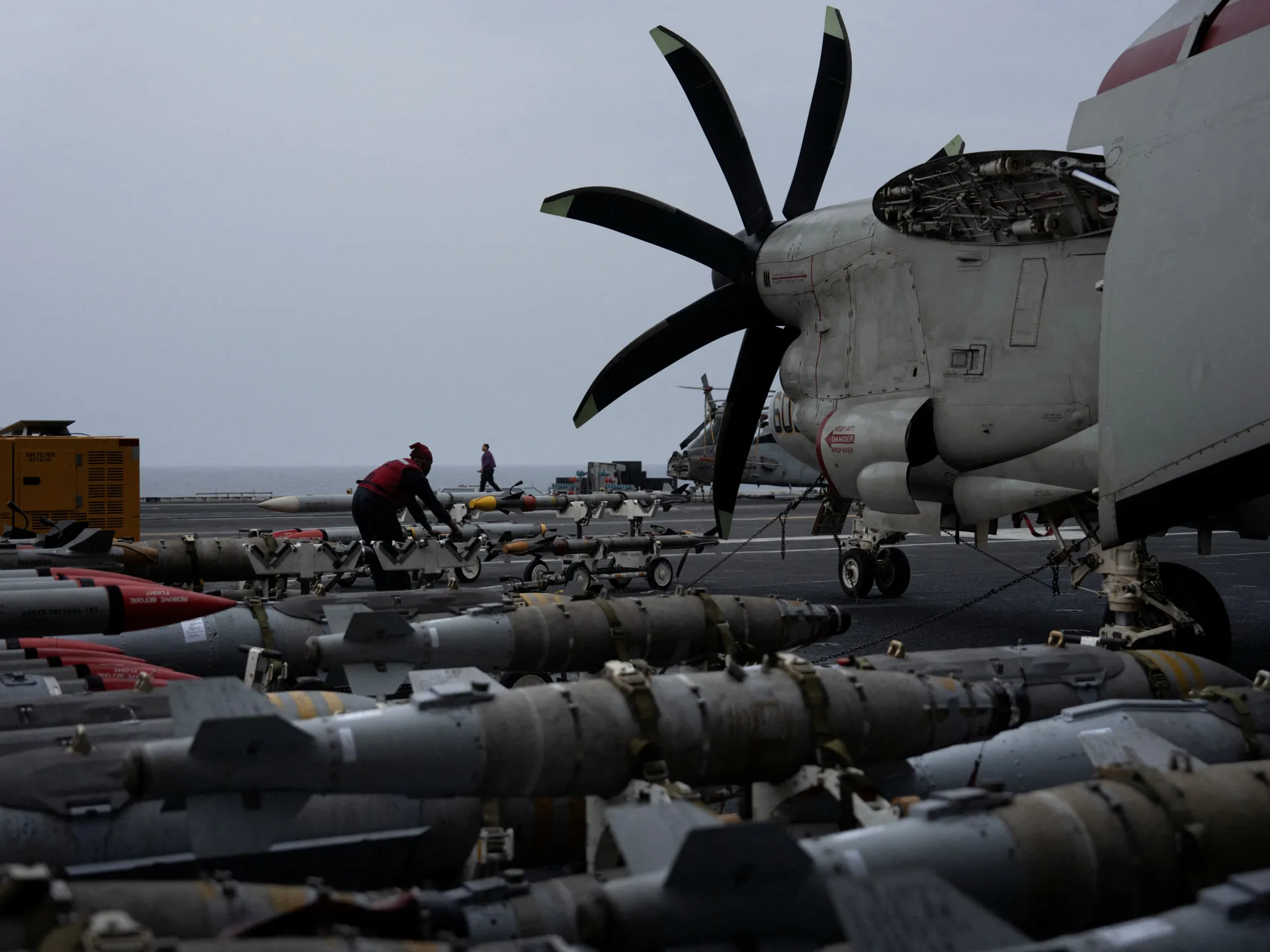
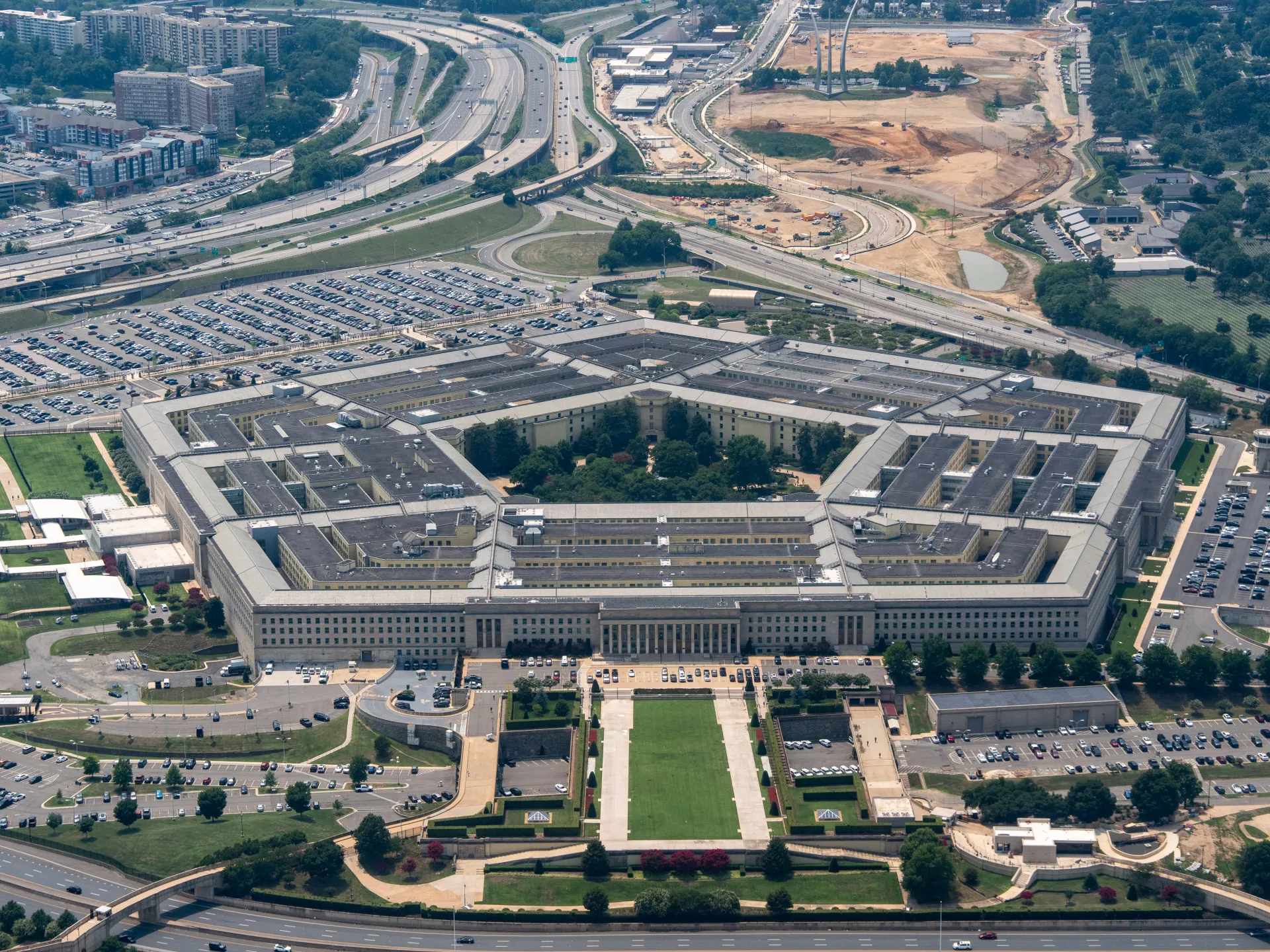
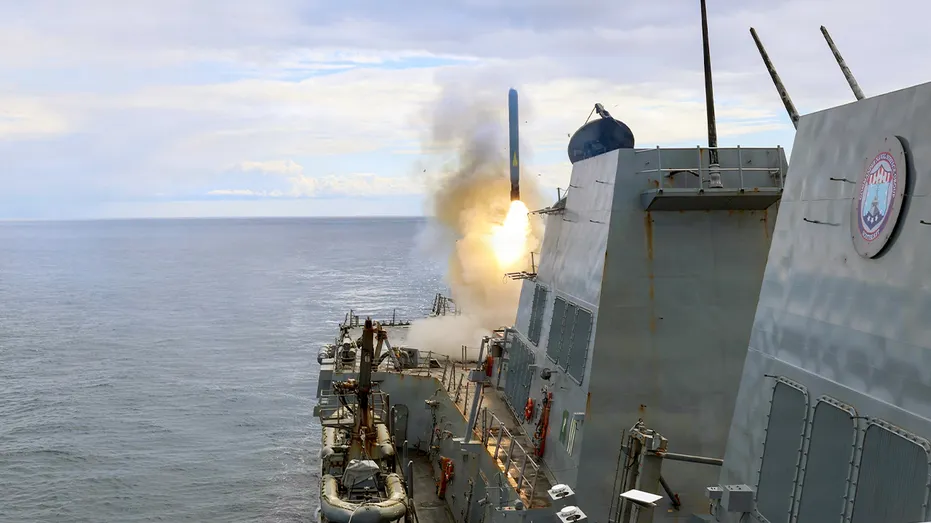
The United States Department of Defense has officially entered into a multi-billion dollar agreement with Raytheon to drastically escalate the production of Tomahawk cruise missiles. This initiative marks a significant departure from standard procurement cycles, as the Pentagon seeks to replenish its inventories at a pace and scale previously unseen in recent decades. The decision reflects a broader shift in American defense strategy, emphasizing the necessity of maintaining robust stockpiles in an era of heightened geopolitical instability.
Military analysts suggest that the urgency behind this contract is a direct response to concerns regarding the depletion of critical munitions. As global tensions rise, the ability to project power and sustain long-term military operations relies heavily on the availability of precision-guided weapons. igate potential supply chain vulnerabilities that could hinder its operational readiness in a high-intensity conflict scenario.
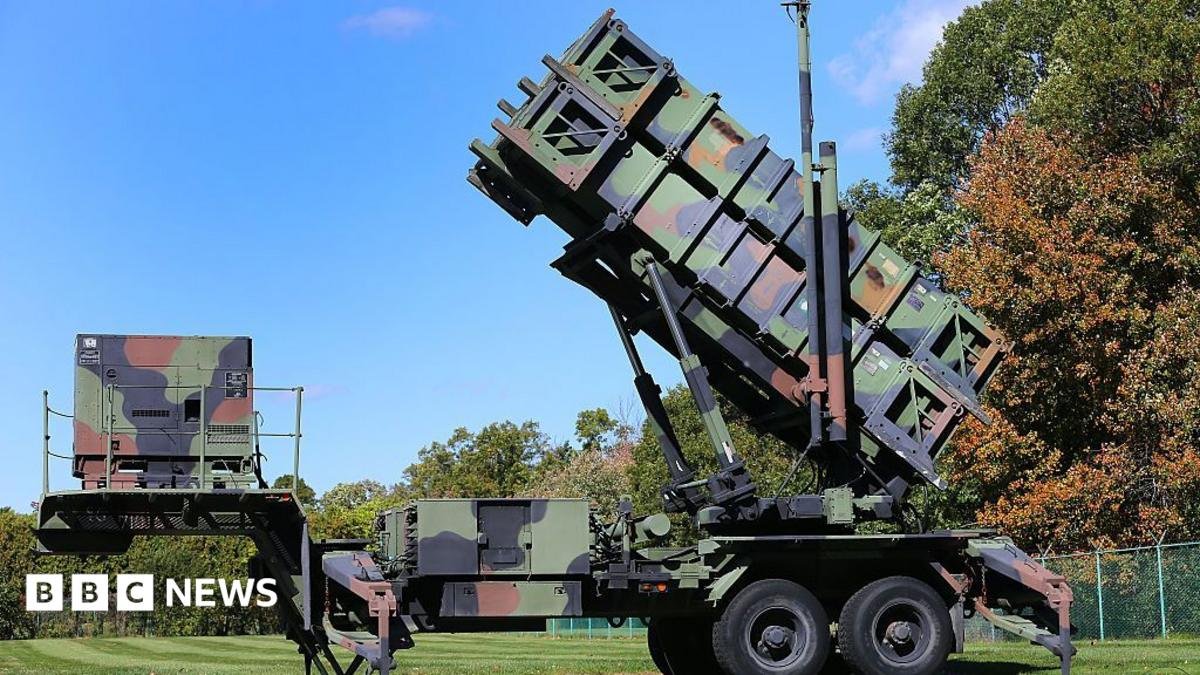
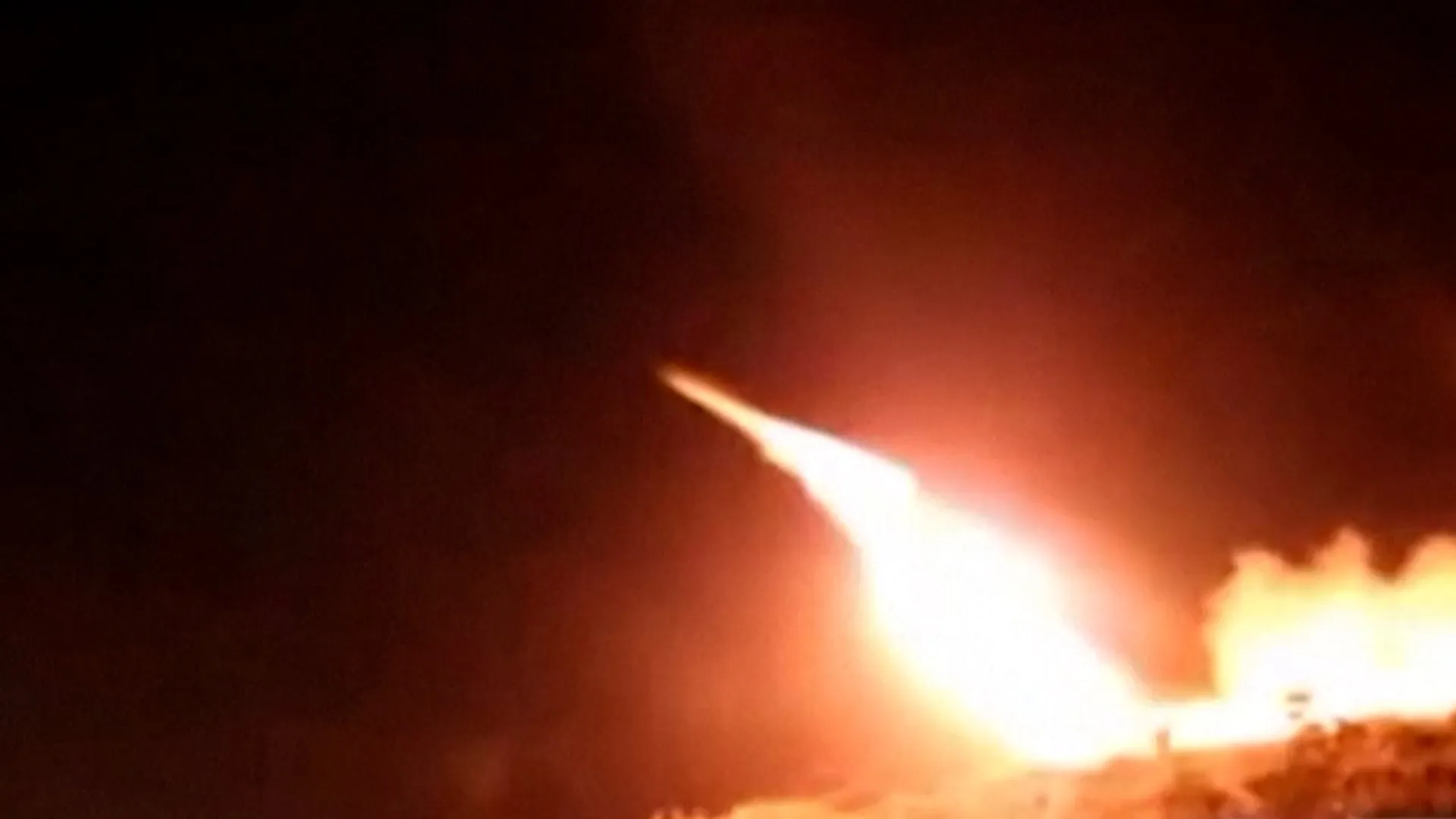
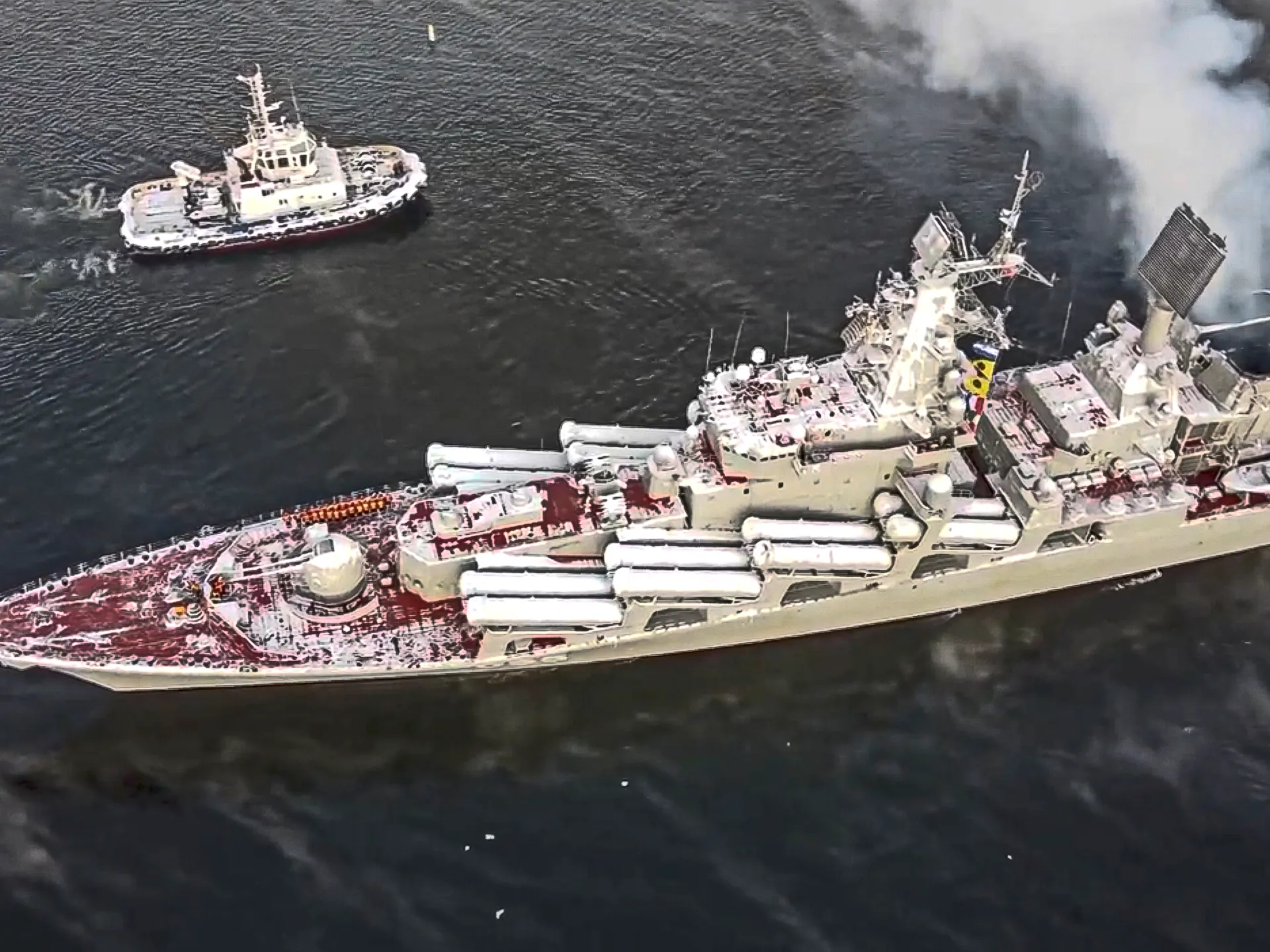
The Tomahawk missile system has long served as a cornerstone of U.S. naval and military offensive capabilities. Renowned for its long-range precision and ability to penetrate sophisticated air defense systems, the platform is essential for neutralizing strategic targets without risking manned aircraft. The current push to increase production underscores the enduring value of these assets in modern warfare, where the ability to strike from a distance is paramount.
Experts in defense and security note that the reliance on such specific, high-end munitions highlights the complexity of the current security environment. While newer technologies are constantly emerging, the proven reliability and versatility of the Tomahawk make it an indispensable tool for military planners. Consequently, the massive investment into Raytheon’s manufacturing infrastructure is viewed as a necessary step to ensure that the U.S. maintains its qualitative edge against potential adversaries who are also modernizing their own arsenals.
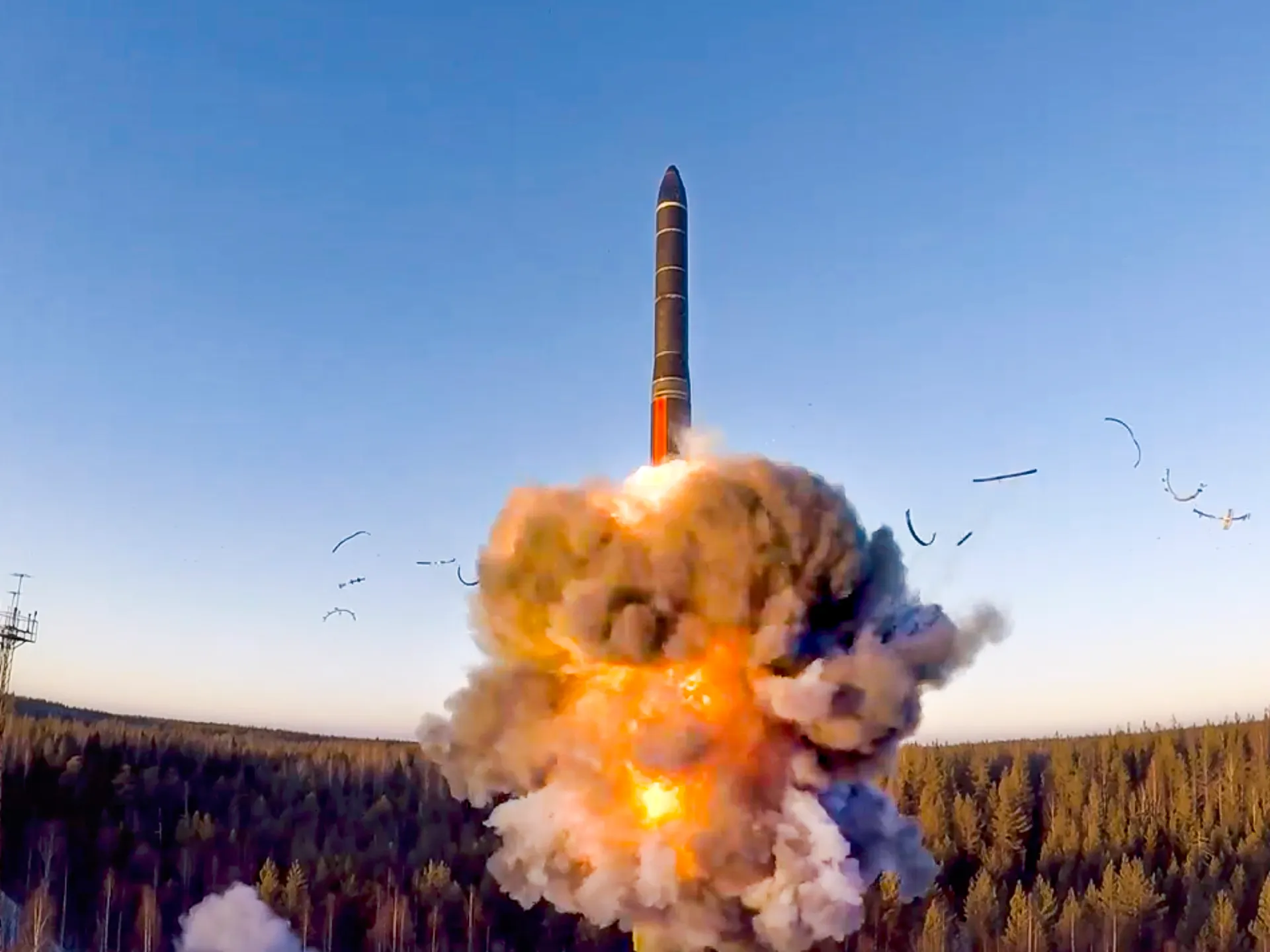
The rapid expansion of U.S. missile production capabilities has prompted a wider debate regarding the potential for a renewed global arms race. Critics of the initiative argue that such significant investments in offensive weaponry may inadvertently signal a move toward a more confrontational posture, potentially encouraging other nations to increase their own military spending. The delicate balance of international relations often relies on perceptions of strength and intent, and a sudden surge in missile availability can alter the regional calculus for rival powers.
Furthermore, the increased output could lead to greater proliferation risks or fuel ongoing regional conflicts if these munitions are deployed in multiple theaters. As the United States moves to fortify its own defenses, the international community is watching closely to see how these actions influence the behavior of other global actors. The challenge for policymakers will be to balance the need for national security and deterrent capability with the risks of escalating military tensions on a global scale.
This multibillion-dollar deal also sheds light on the limitations of the current defense industrial base. Scaling up production to such an unprecedented degree requires not only capital but also a sophisticated supply chain capable of delivering specialized components under tight deadlines. The collaboration between the Pentagon and its primary contractors serves as a stress test for the American defense industry, which must prove it can meet modern surge requirements.
Looking ahead, the focus on increasing munitions production is likely to remain a priority for the foreseeable future. The integration of advanced manufacturing techniques and the strengthening of domestic production lines are expected to be central themes in the ongoing effort to modernize the U.S. military. n aims to ensure that it remains prepared for a diverse range of security challenges, regardless of how quickly the global situation evolves.