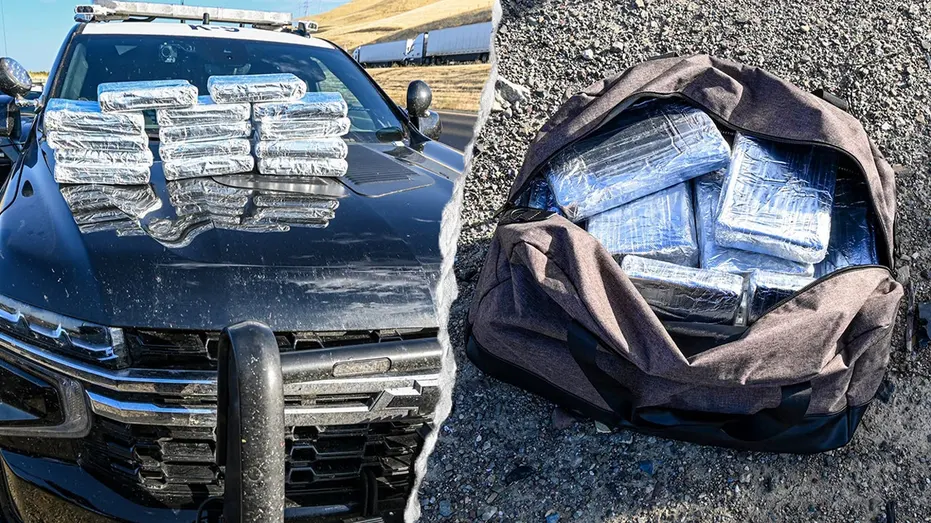
A routine traffic stop in Merced County led to the arrest of a driver and the seizure of 30 pounds of cocaine valued at over $800,000.
A standard traffic enforcement action in California recently escalated into a major narcotics bust, resulting in the recovery of 30 pounds of cocaine. Law enforcement officers initiated the stop as part of routine patrol duties, but the situation quickly shifted when evidence of illegal activity was discovered. The street value of the confiscated contraband is estimated to be in excess of $800,000.
Following the discovery, the driver of the vehicle was taken into custody without incident. The individual was subsequently transported to the Merced County Main Jail, where they now face formal charges. Specifically, the suspect is accused of possession of cocaine with the intent to distribute and the unlawful transportation of controlled substances across non-contiguous county lines.
The investigation into this incident has been assigned to the Merced Area Gang Narcotics Enforcement Team, commonly known as MAGNET. This specialized unit is tasked with dismantling drug trafficking networks operating within the region, and they are currently examining the circumstances surrounding this seizure to determine the source and intended destination of the narcotics.
This incident in Merced County occurs against a backdrop of intensified efforts h California. The state remains a primary focus for law enforcement due to its extensive coastline and proximity to international borders, which are frequently exploited
The recent seizure highlights the ongoing challenges faced hile large-scale international interdictions often grab headlines, the cumulative impact of smaller, regional busts is considered vital to disrupting the local supply chains that fuel street-level drug trade. MAGNET and similar task forces utilize intelligence-led policing to monitor regional corridors for suspicious activity.
The seizure in Merced is part of a wider trend of significant narcotics interdictions reported across the United States. Just last month, federal authorities executed a massive operation at the Calexico Port of Entry. During that inspection, agents uncovered over 1,000 pounds of cocaine ingeniously concealed beneath the floorboards of a commercial flatbed trailer, a haul valued at approximately $20 million.
Additionally, U.S. Customs and Border Protection officers recently intercepted a significant shipment of narcotics disguised within a commercial load of produce. At the Pharr International Bridge in Texas, canine units and high-tech non-intrusive imaging technology identified anomalies within a tractor-trailer shipment of cucumbers. This inspection led to the discovery of 112 packages containing nearly 279 pounds of cocaine, with an estimated street value of $3.7 million.
The success of these operations is largely attributed to a combination of proactive interdiction strategies and the integration of advanced detection technology. From the use of specialized K-9 teams capable of identifying chemical signatures to sophisticated X-ray imaging systems that can peer through dense cargo, law enforcement agencies are increasingly effective at locating hidden contraband.
As traffickers continue to develop more complex concealment methods, such as hiding drugs within legitimate commercial shipments or structural components of vehicles, the role of multi-agency cooperation has become more critical. eate a more resilient defensive network that complicates the logistical efforts of criminal organizations attempting to move large quantities of narcotics across the country.