Escalating violence in the West Bank has sparked debate regarding the extent of state involvement and the government's ability to distance itself from settler actions.
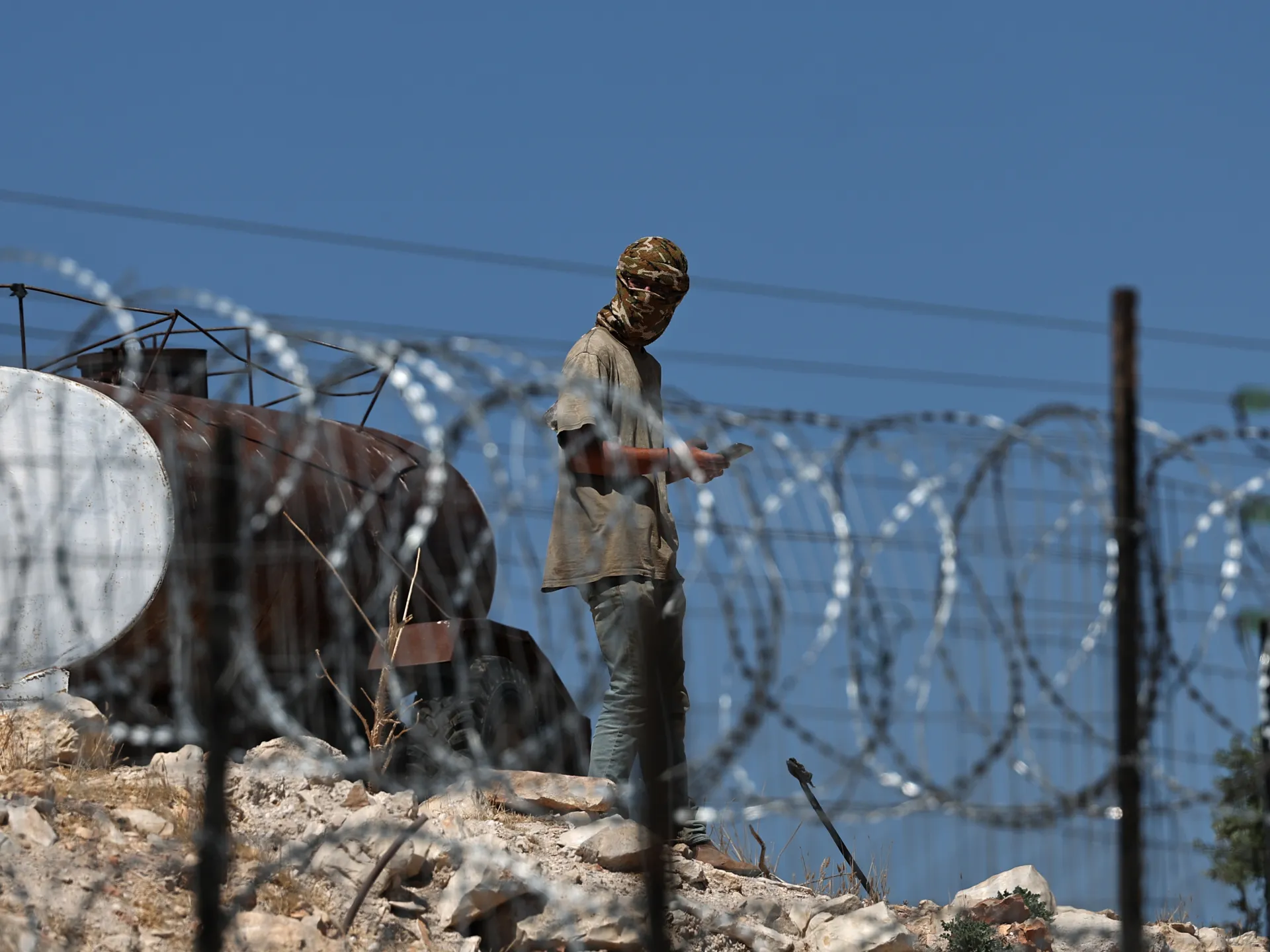
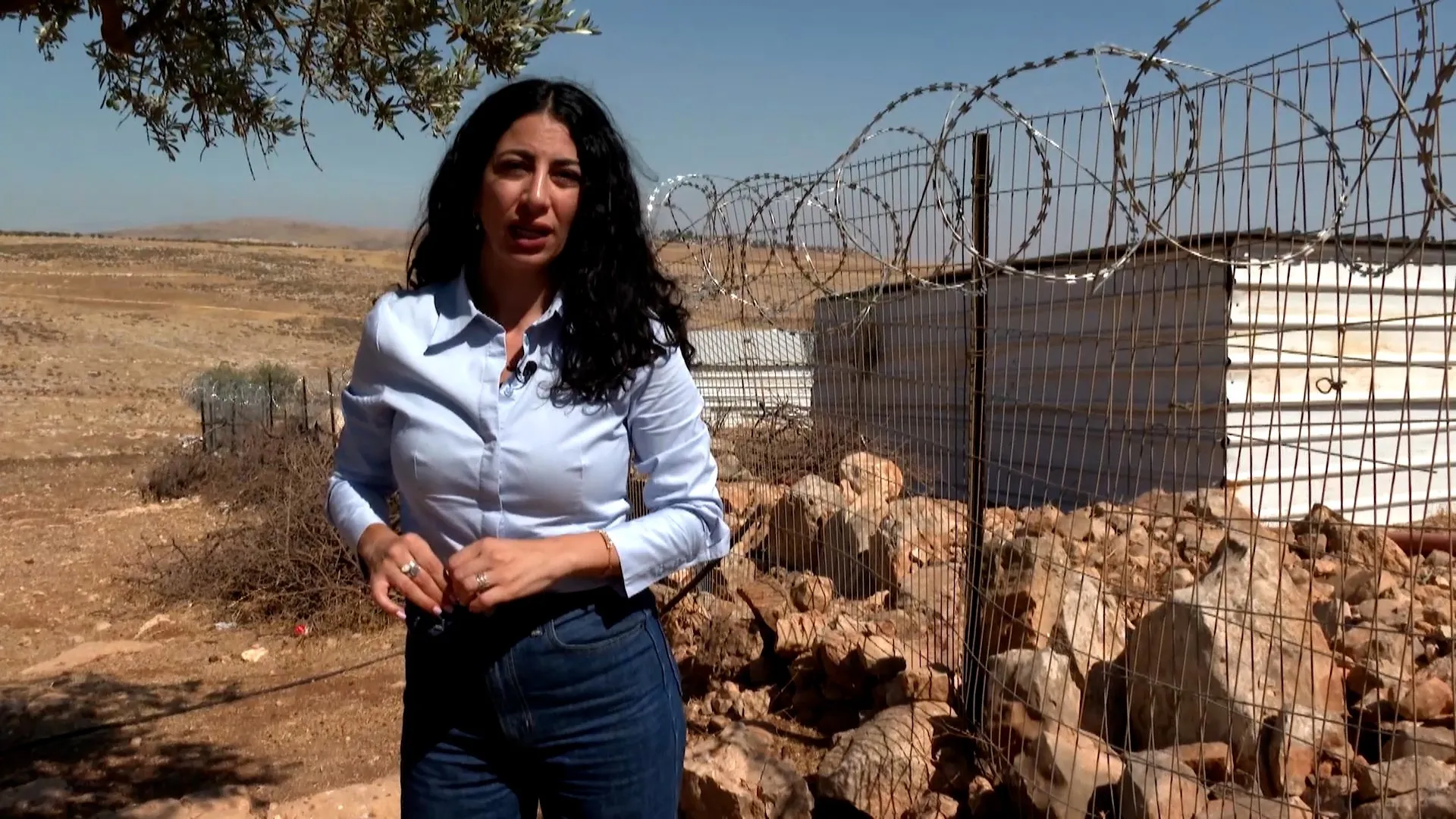
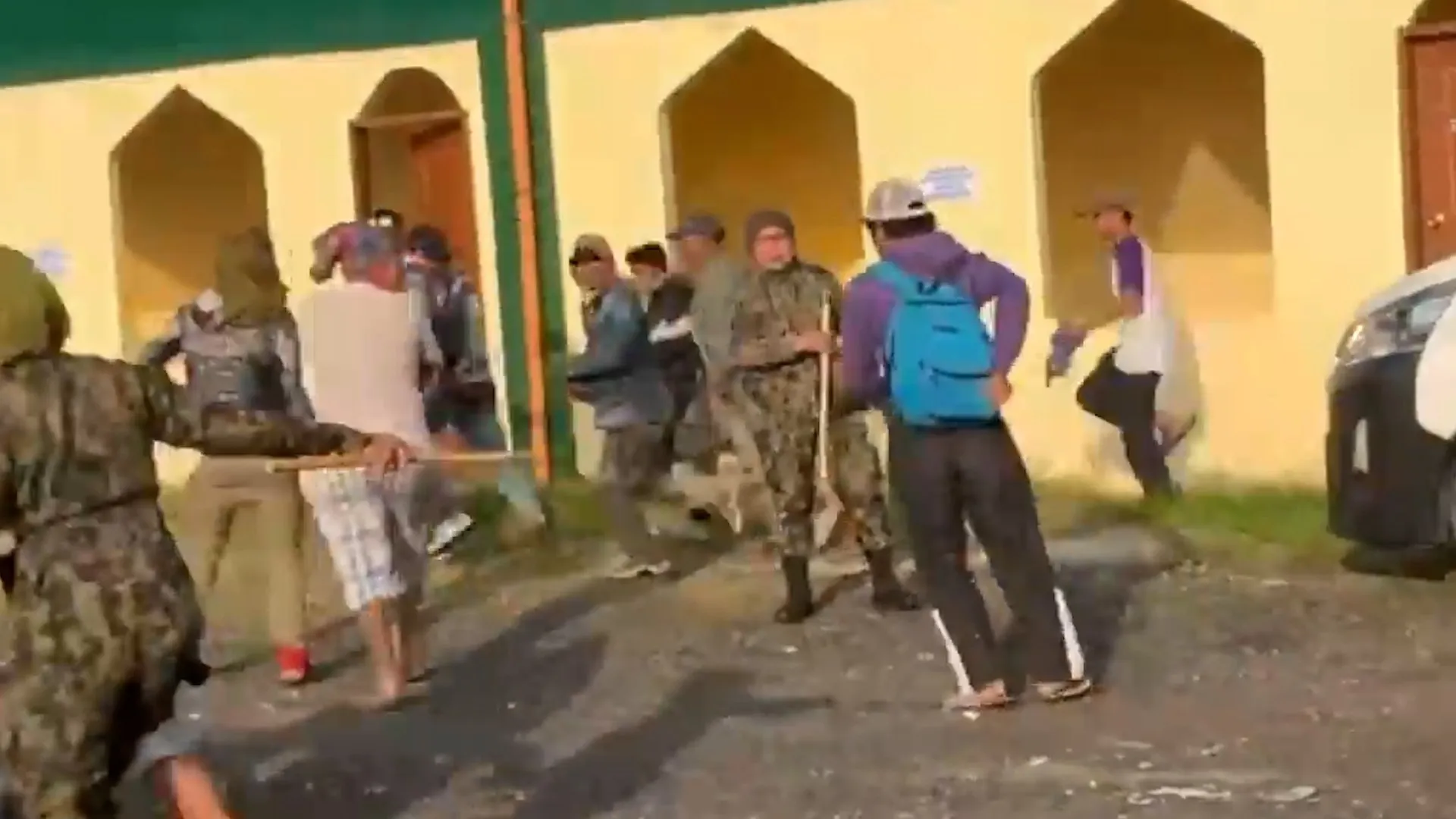
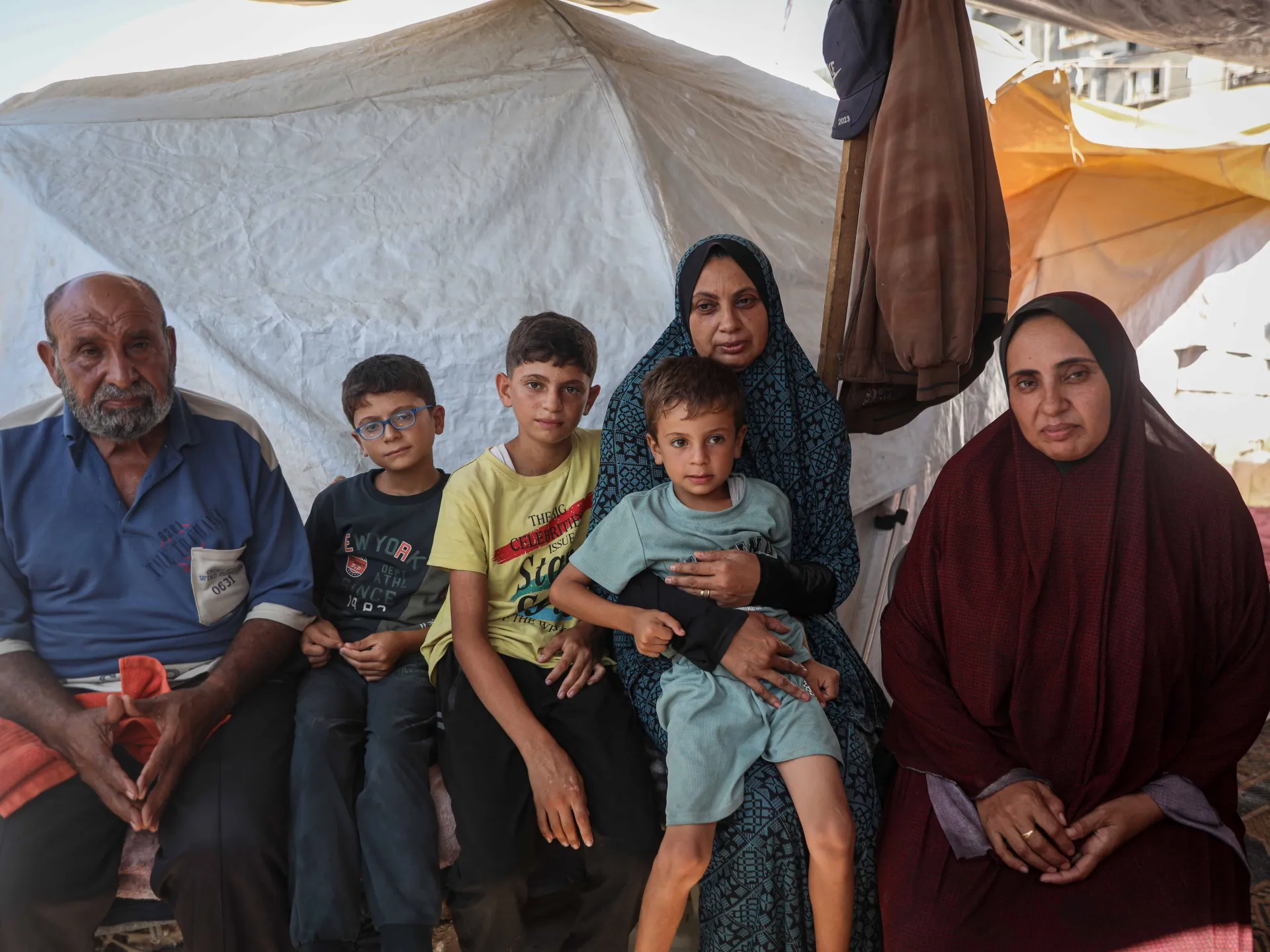
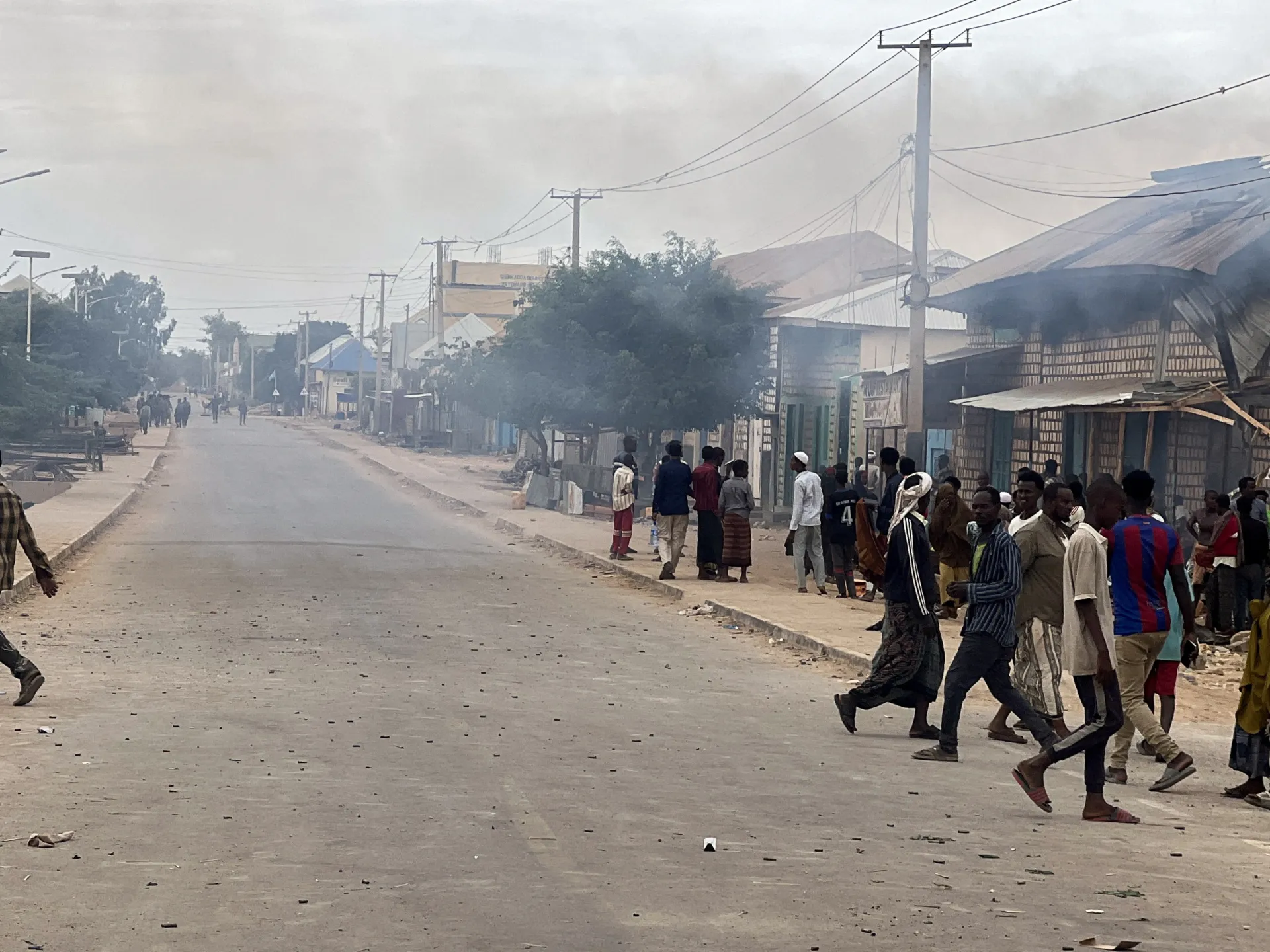
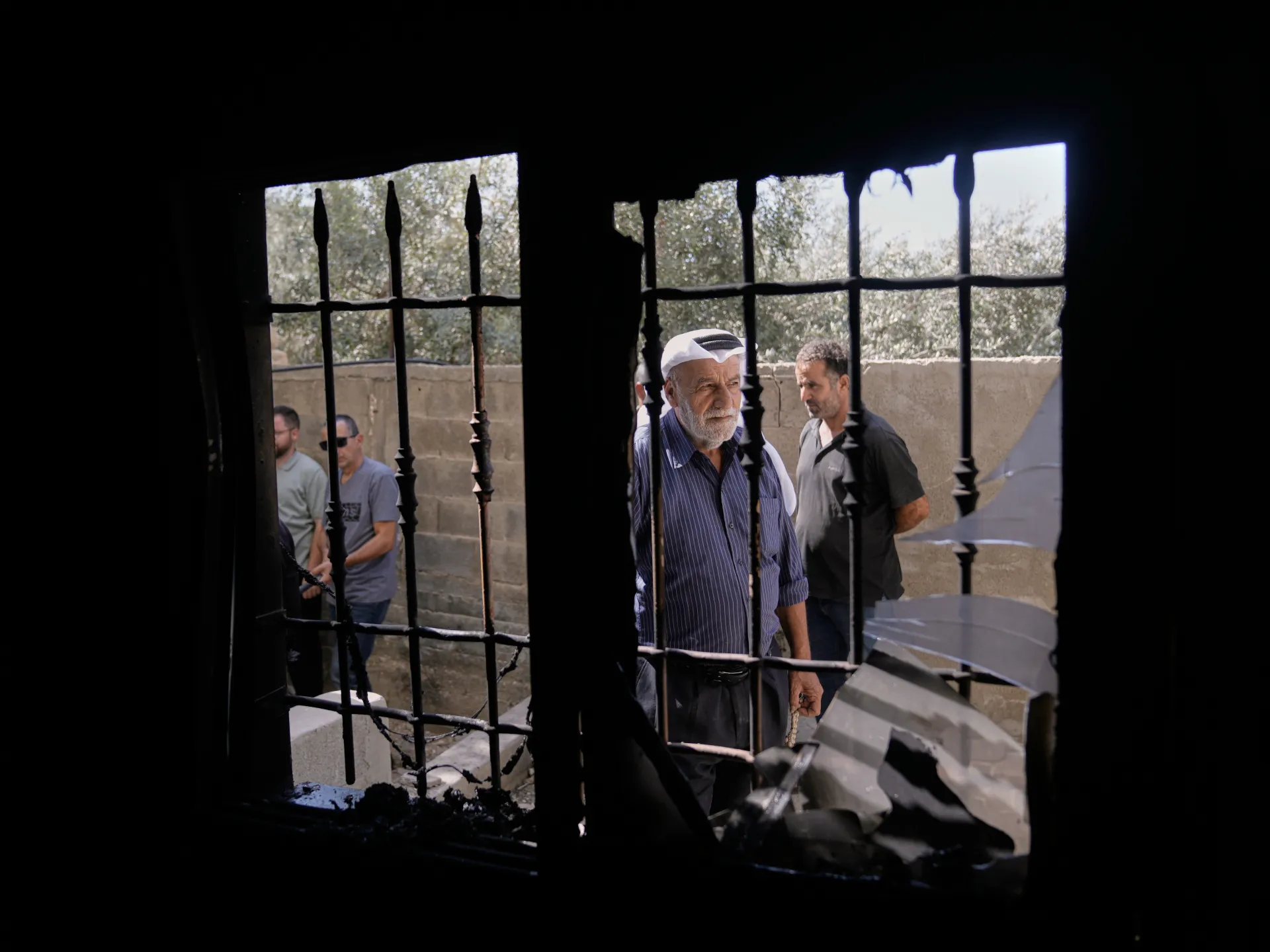
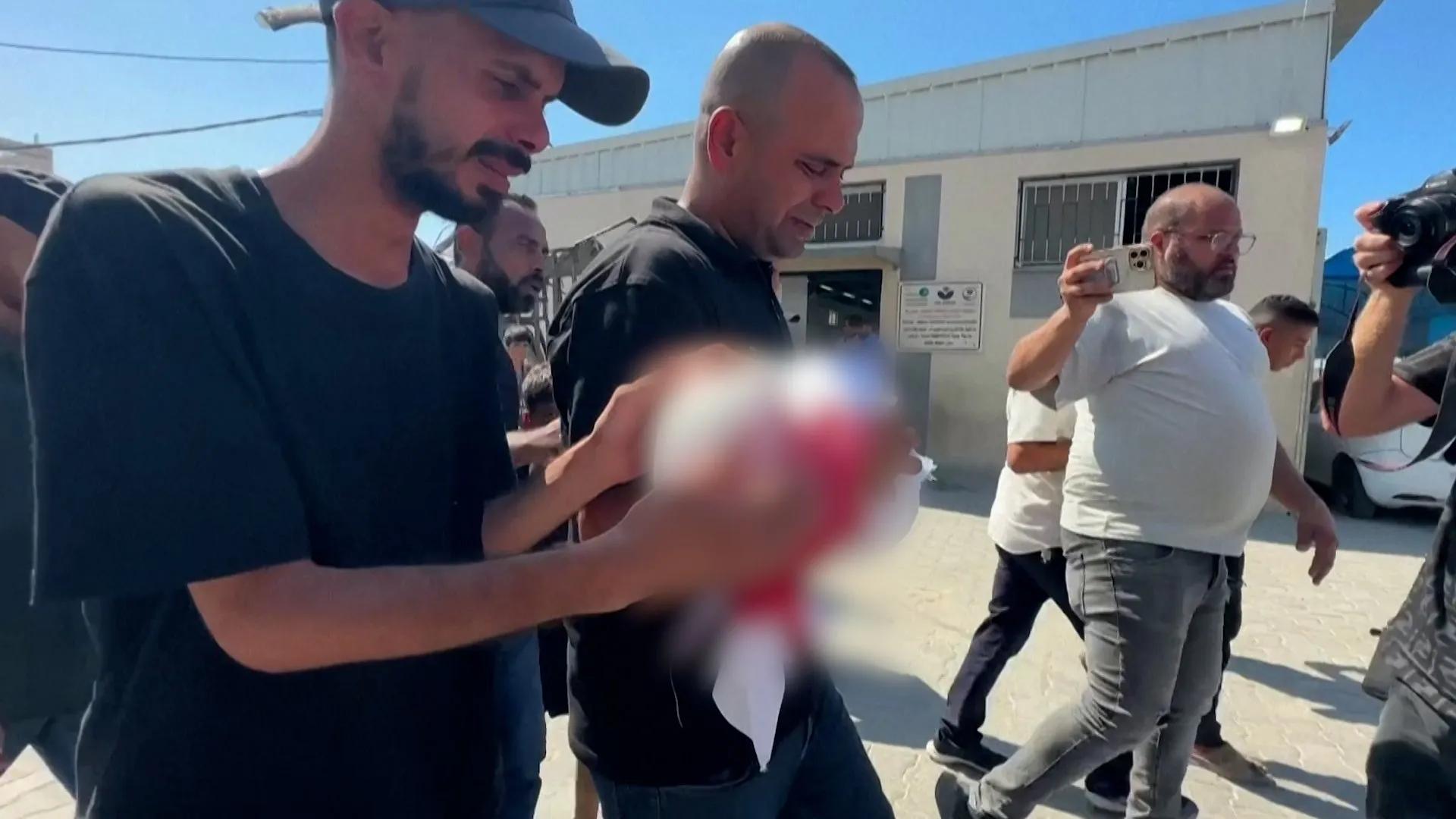
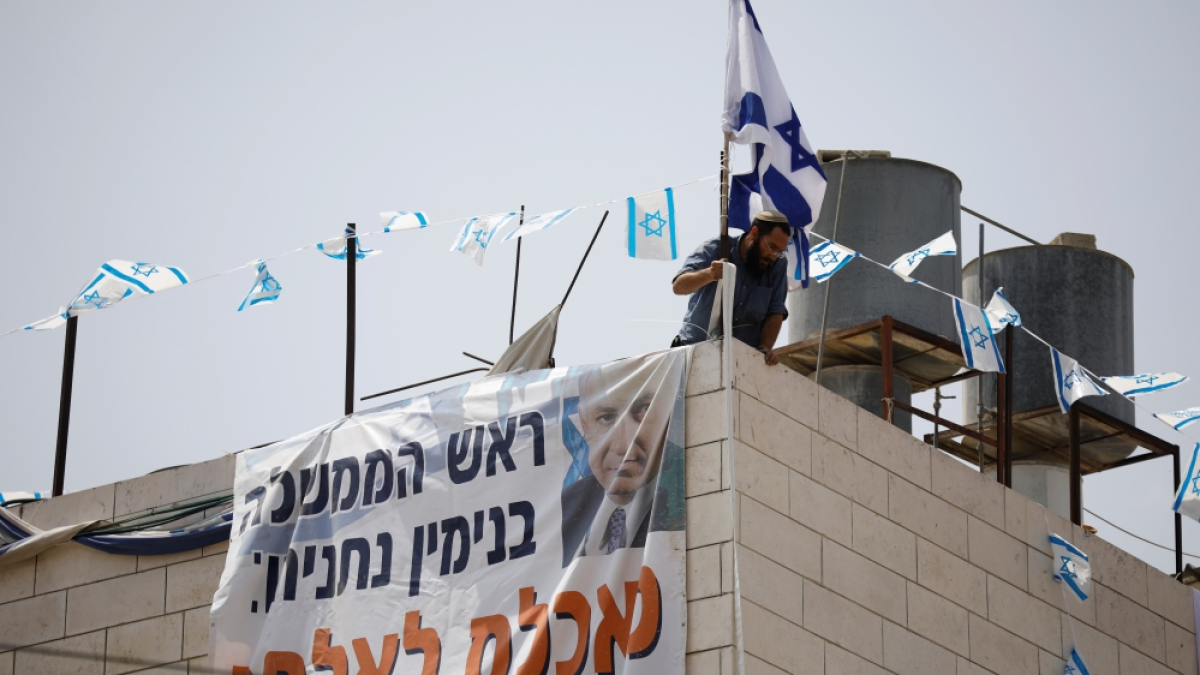
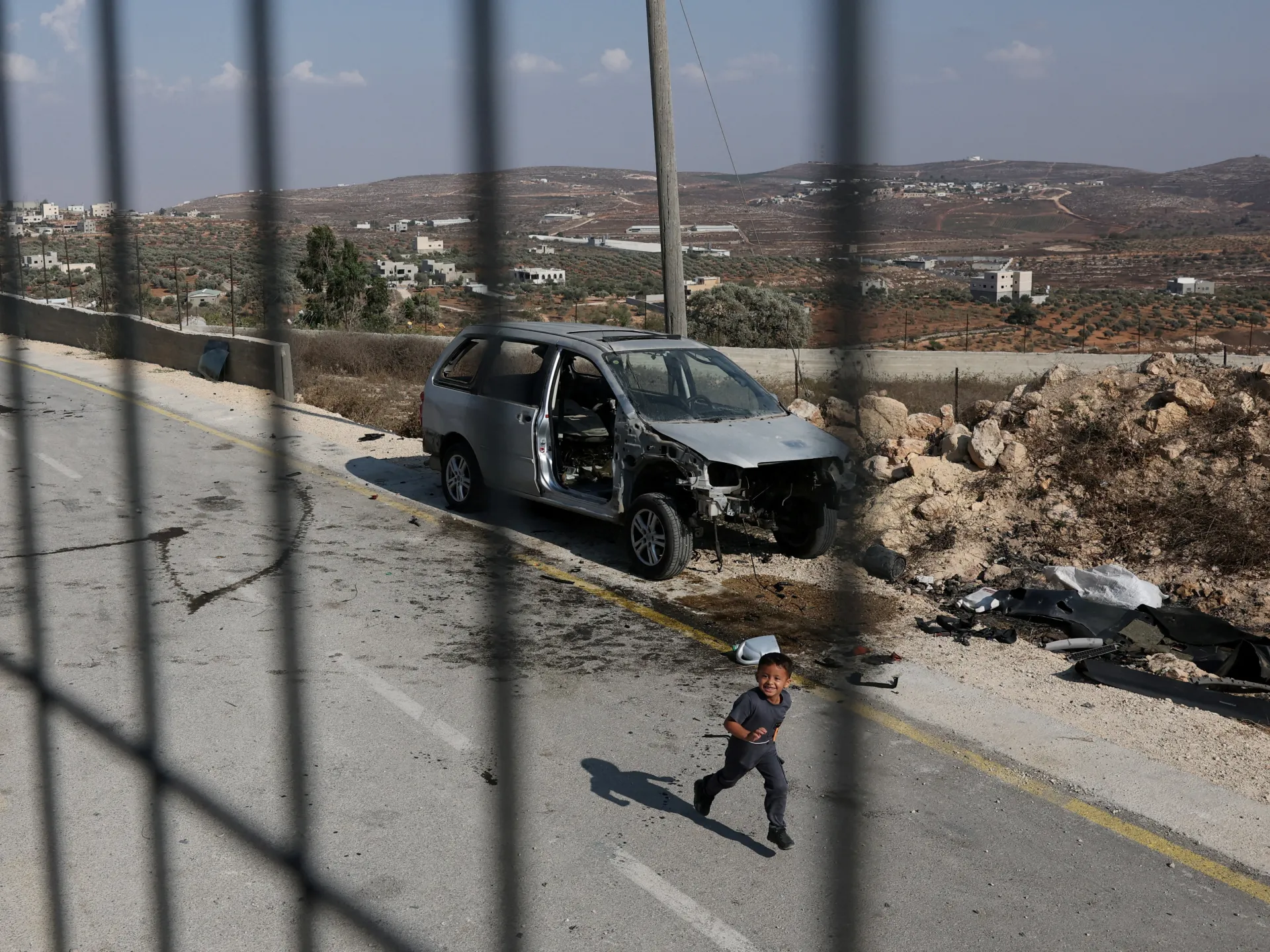
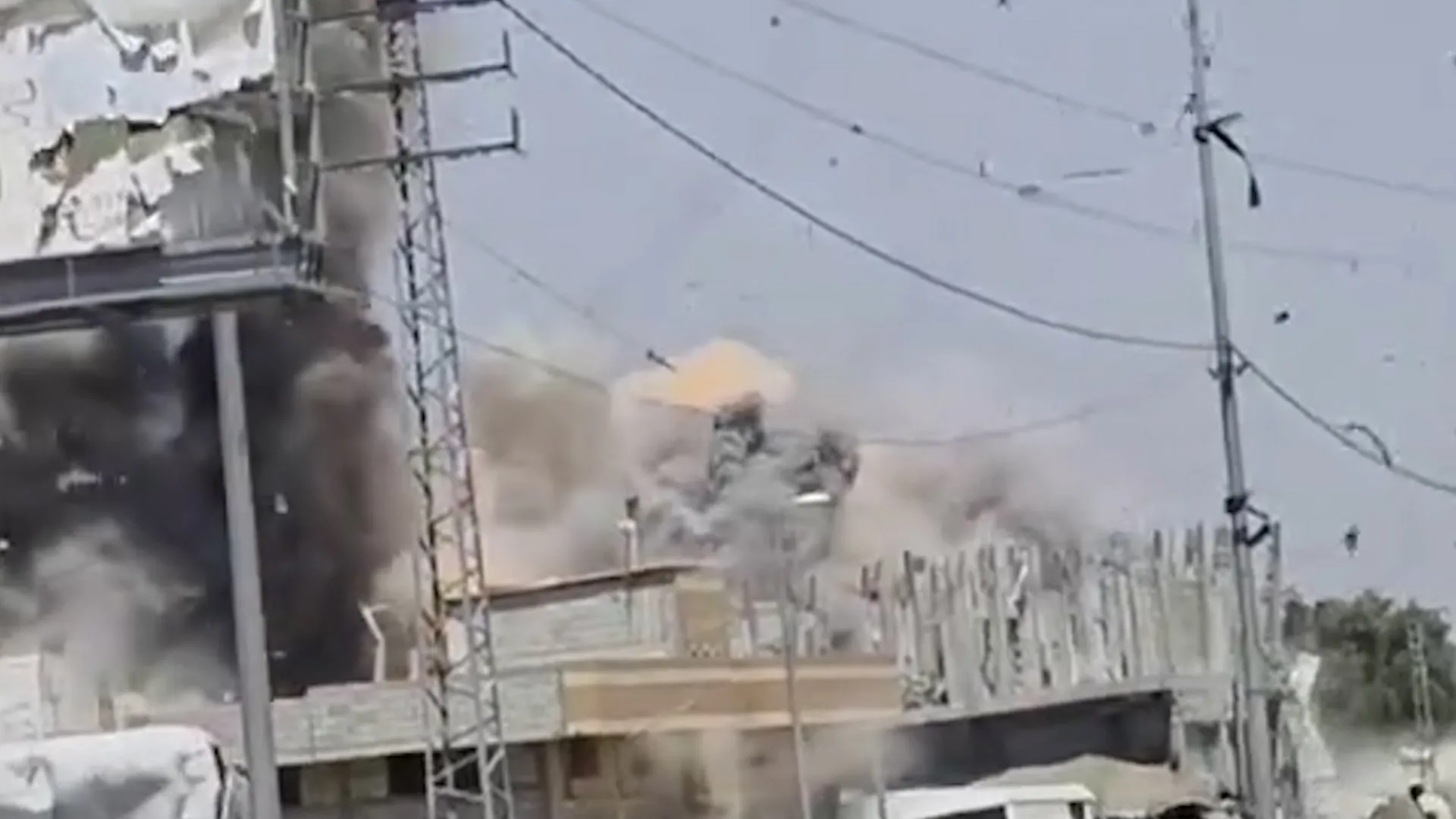
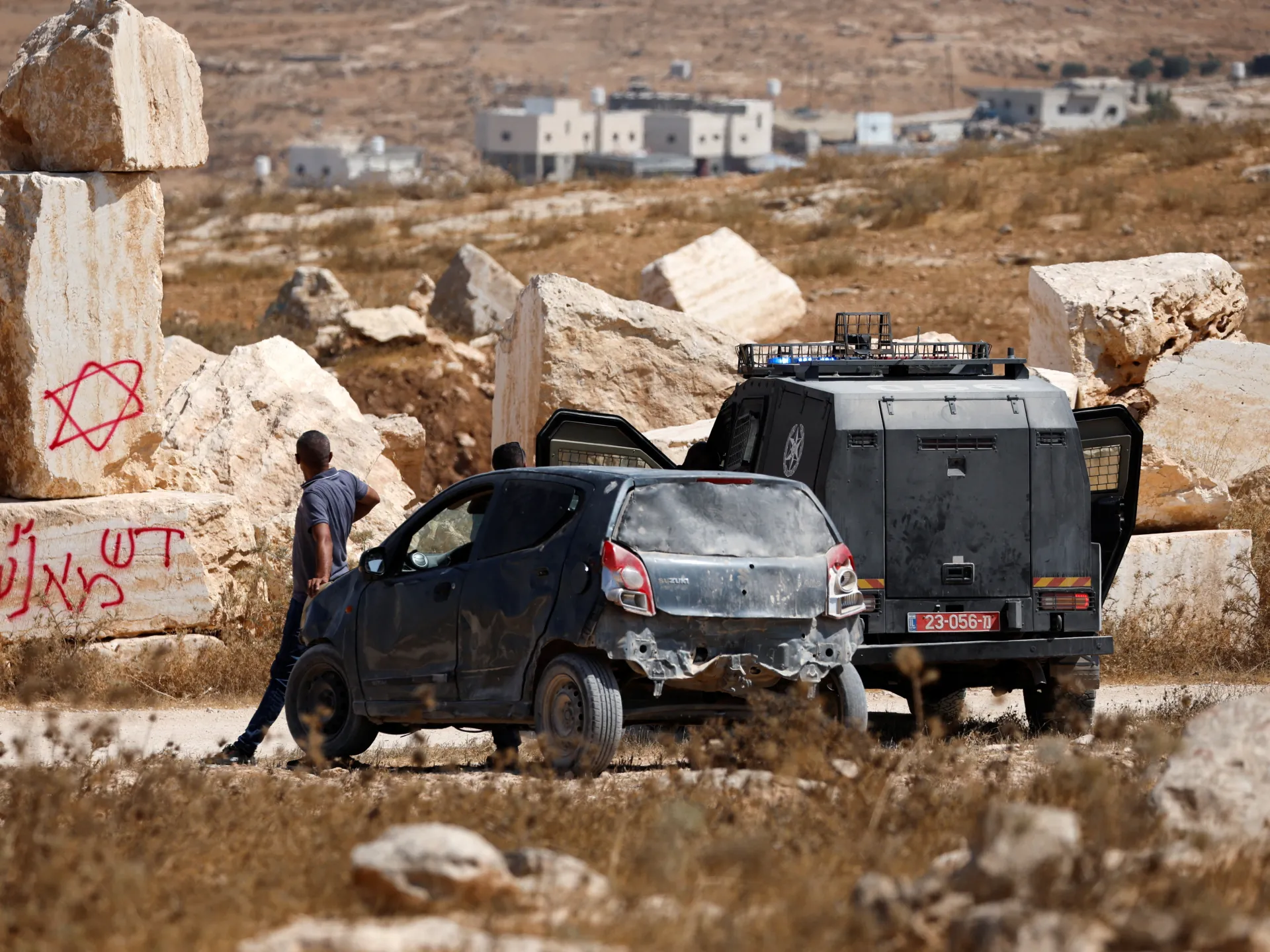
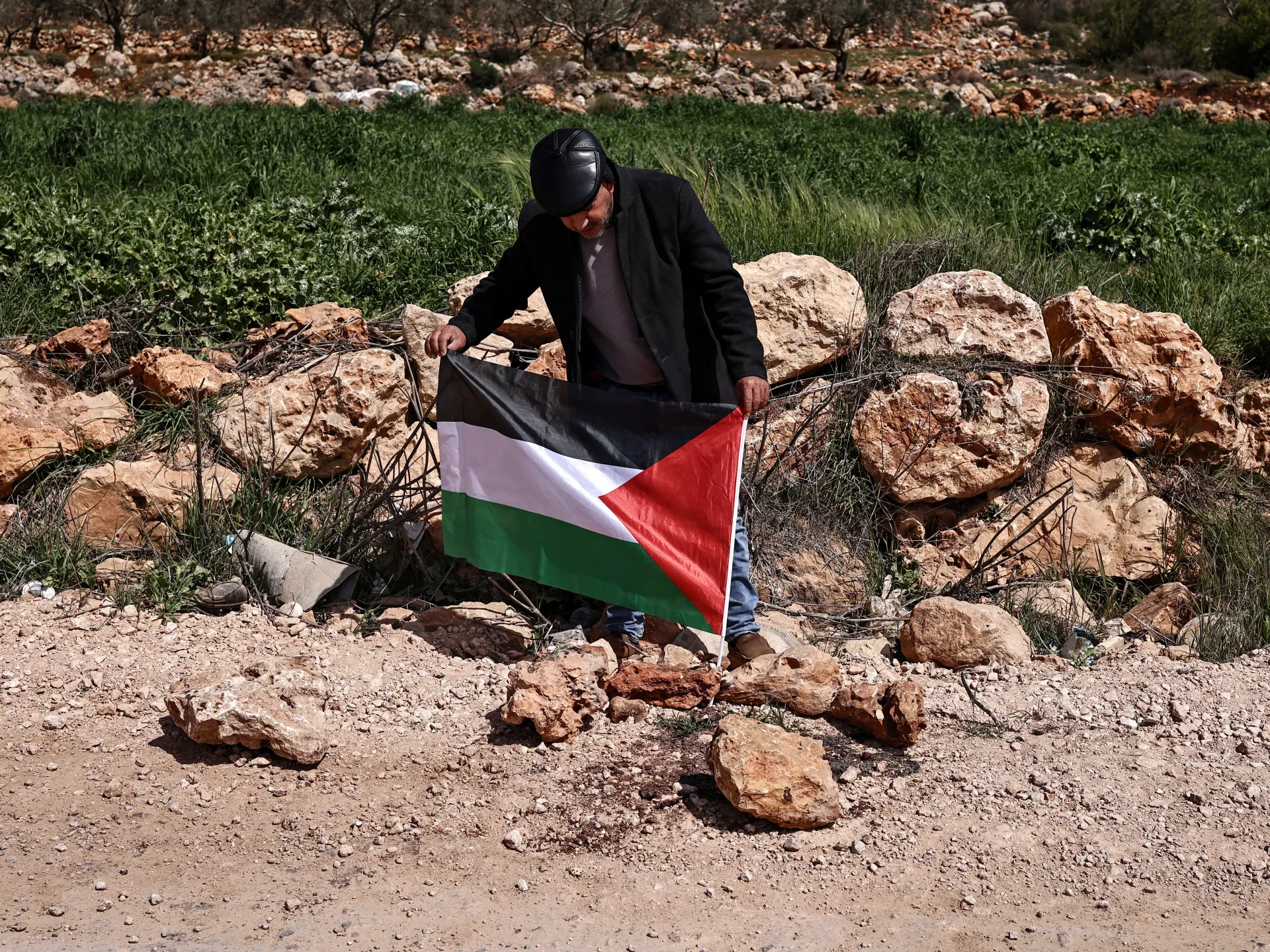
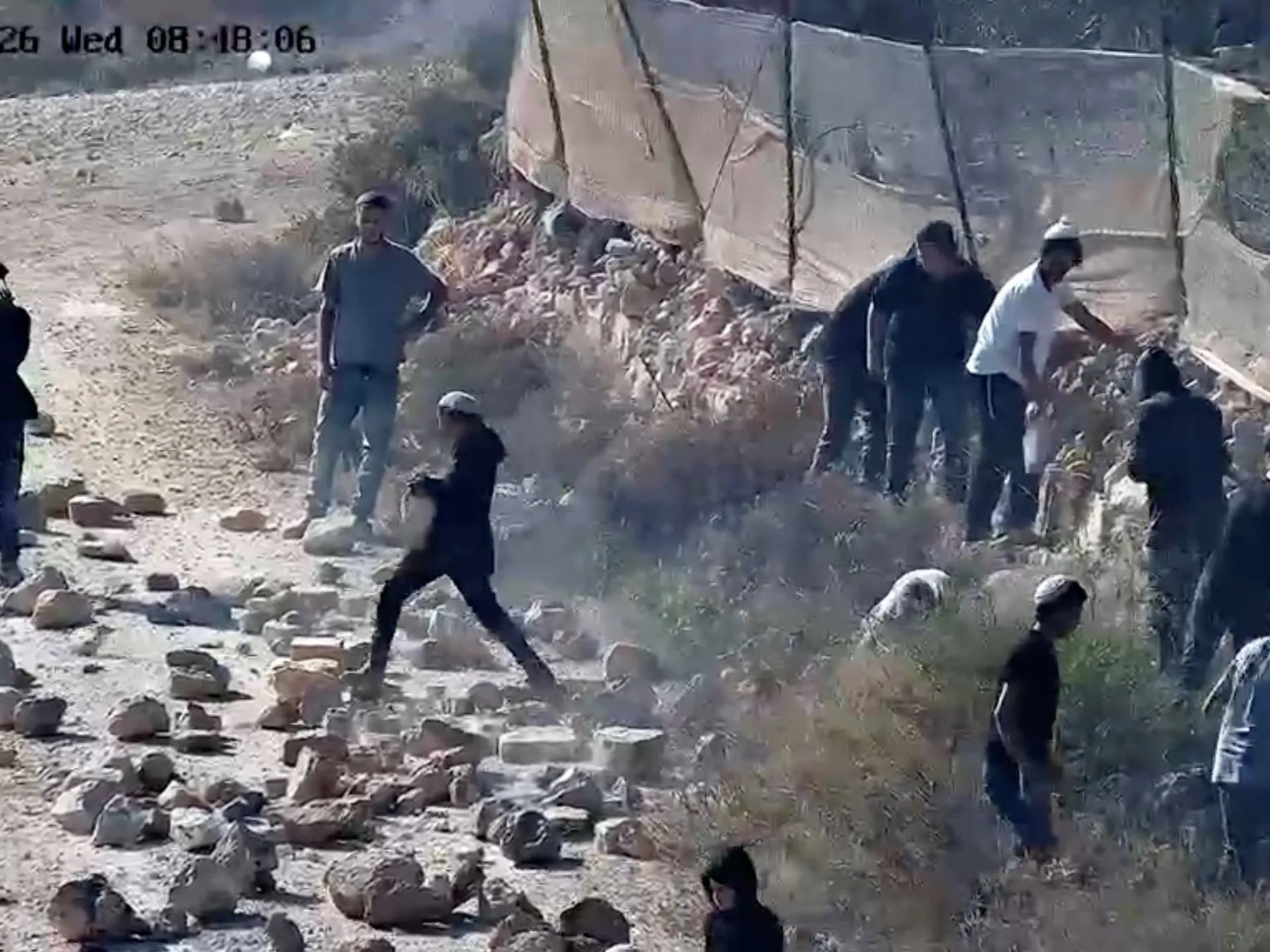
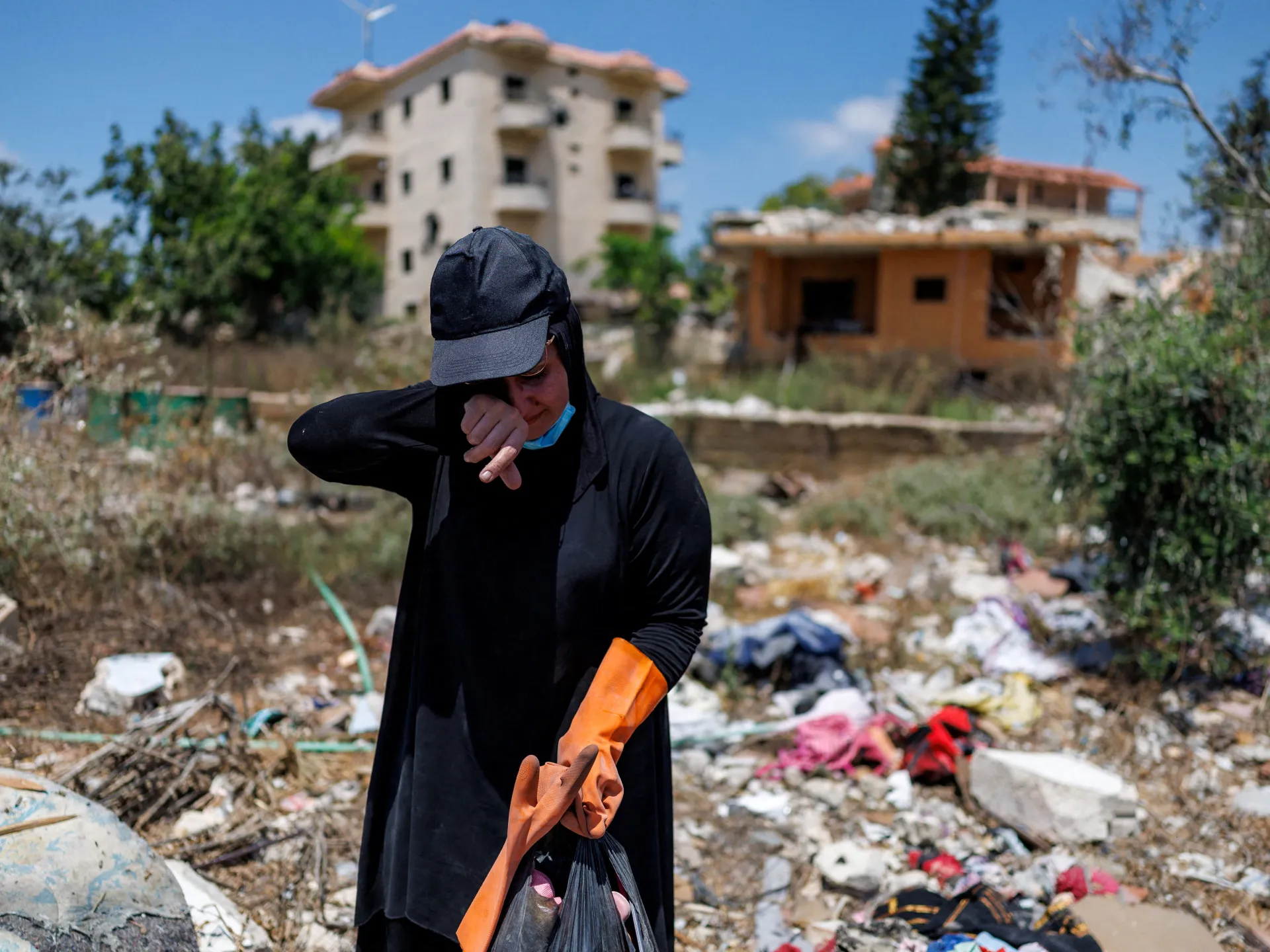
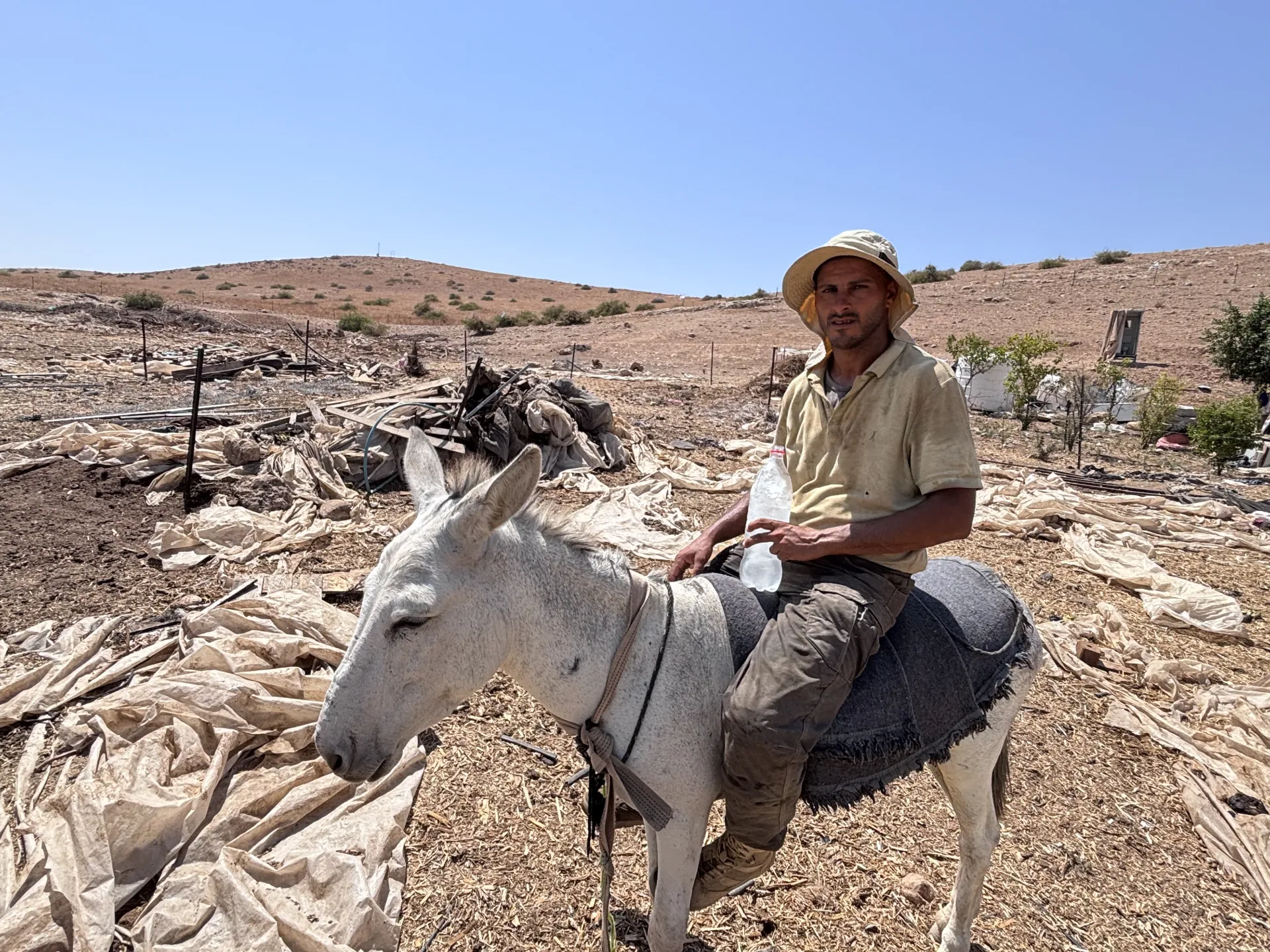
In recent months, the occupied West Bank has witnessed a consistent pattern of aggressive actions h have included the siege of residential households in the village of Qusra, have drawn significant attention due to the severity of the disruptions caused to local infrastructure. Reports indicate that settlers have effectively severed access to essential utilities, including water and electricity, for Palestinian families, creating a dire humanitarian situation on the ground.
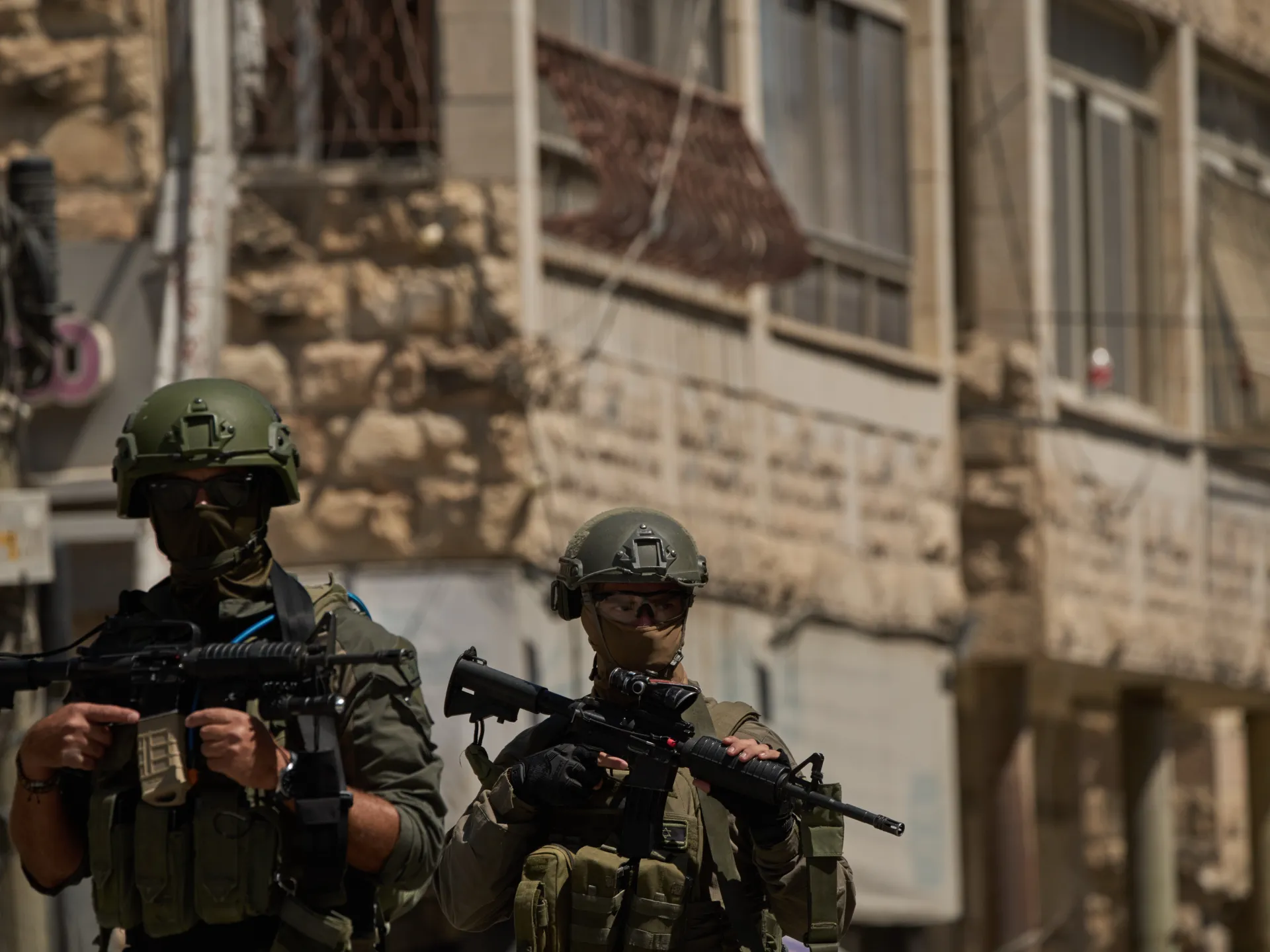
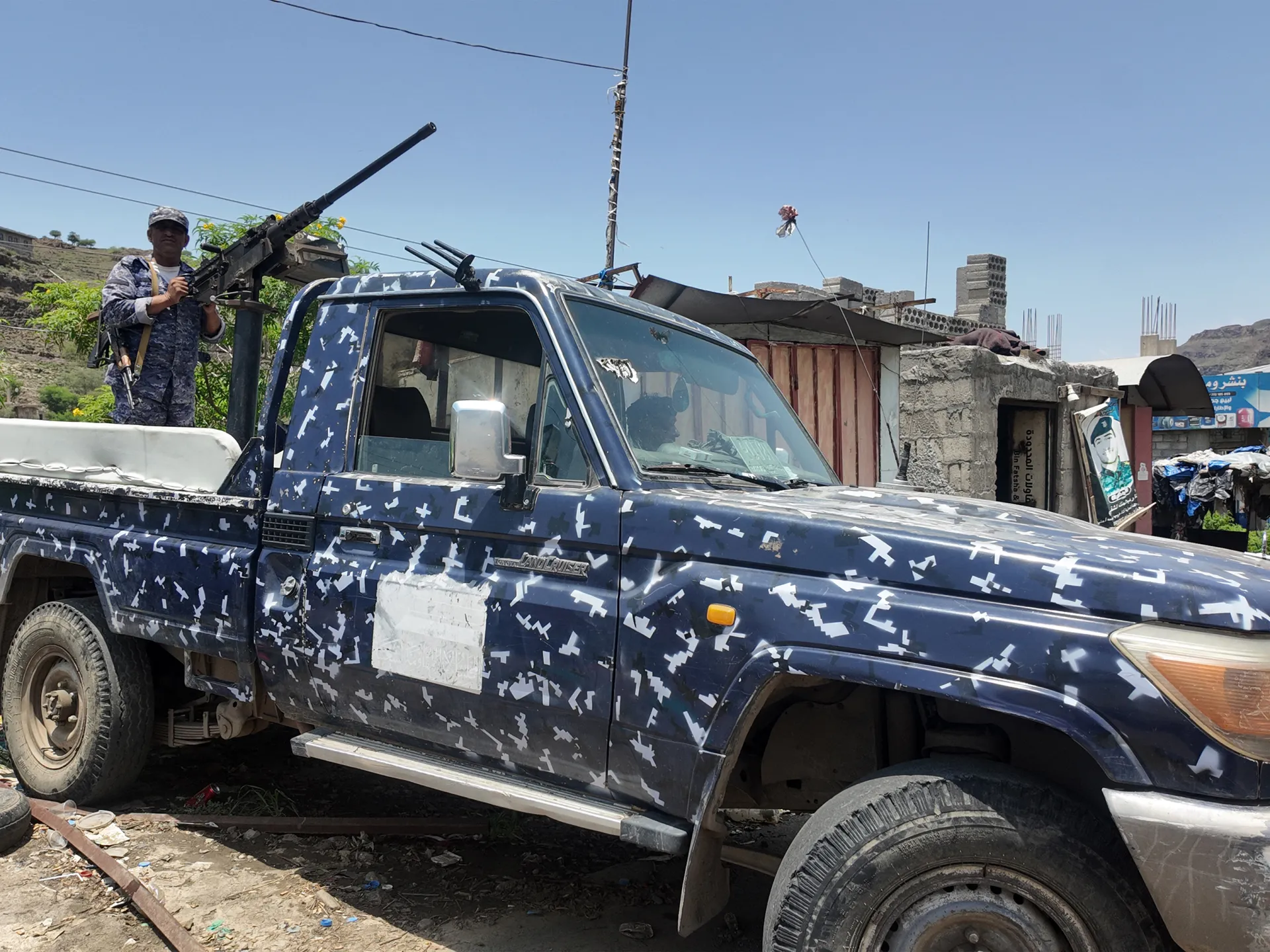
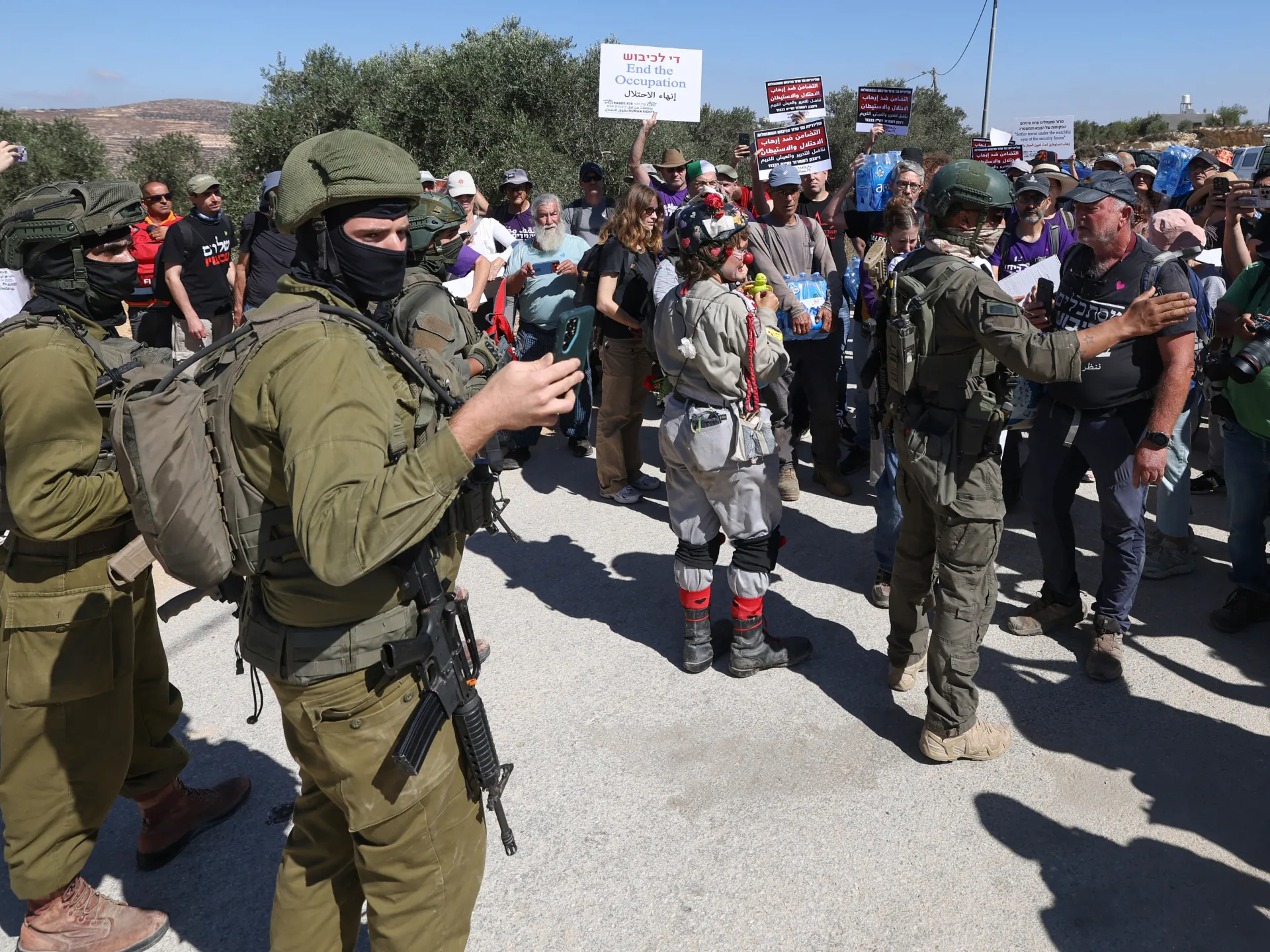
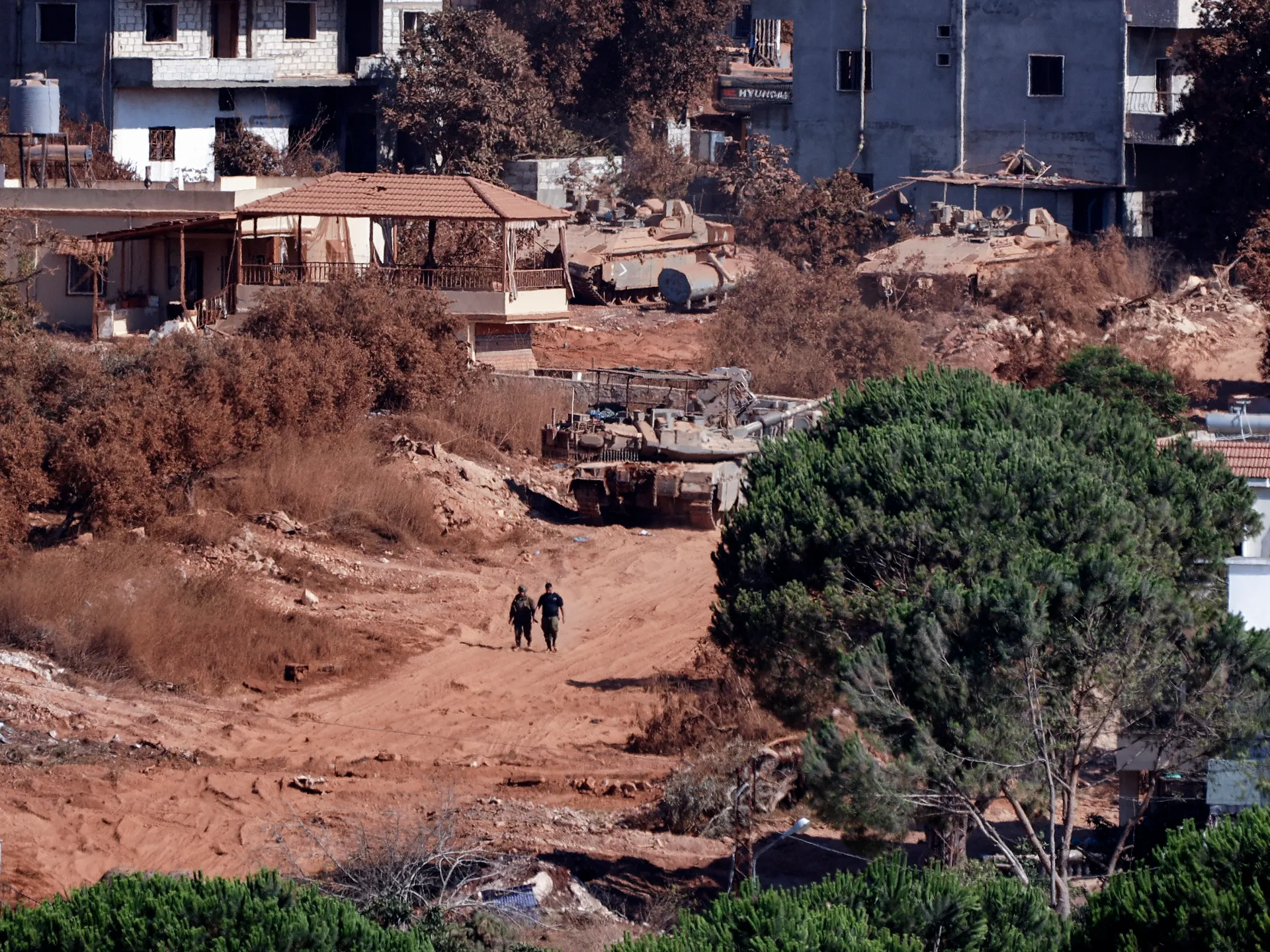
While some Israeli officials have issued statements characterizing these specific actions as unacceptable, these condemnations have been met with skepticism tary personnel in areas where settler violence is ongoing has further complicated the narrative. In instances such as the siege in Qusra, soldiers were observed interacting with settlers, which critics argue undermines the government's official stance of disapproval and suggests a lack of institutional intent to halt the activities.
Critics of the current administration argue that the distinction between state policy and the actions of settlers has become increasingly blurred. Legislative figures and advocacy groups contend that the government is not merely a passive observer but an active facilitator of settlement expansion. This perspective is supported rforming their mandatory service in roles that involve securing the very outposts they inhabit.
Experts suggest that the state provides essential logistical and protective support for these activities, effectively treating the expansion of settlements as a core policy objective. state creates an environment where settler actions are perceived as an extension of official state interests. This systemic support makes it difficult for the government to credibly distance itself from the consequences of these interactions.
Human rights organizations often emphasize that the ultimate objective behind the increasing frequency of settler violence is the territorial displacement of the Palestinian population. These actions are viewed not as isolated incidents of lawlessness, but as a calculated effort to alter the demographic and geographic reality of the West Bank. ims to secure greater control over land that is internationally recognized as occupied territory.
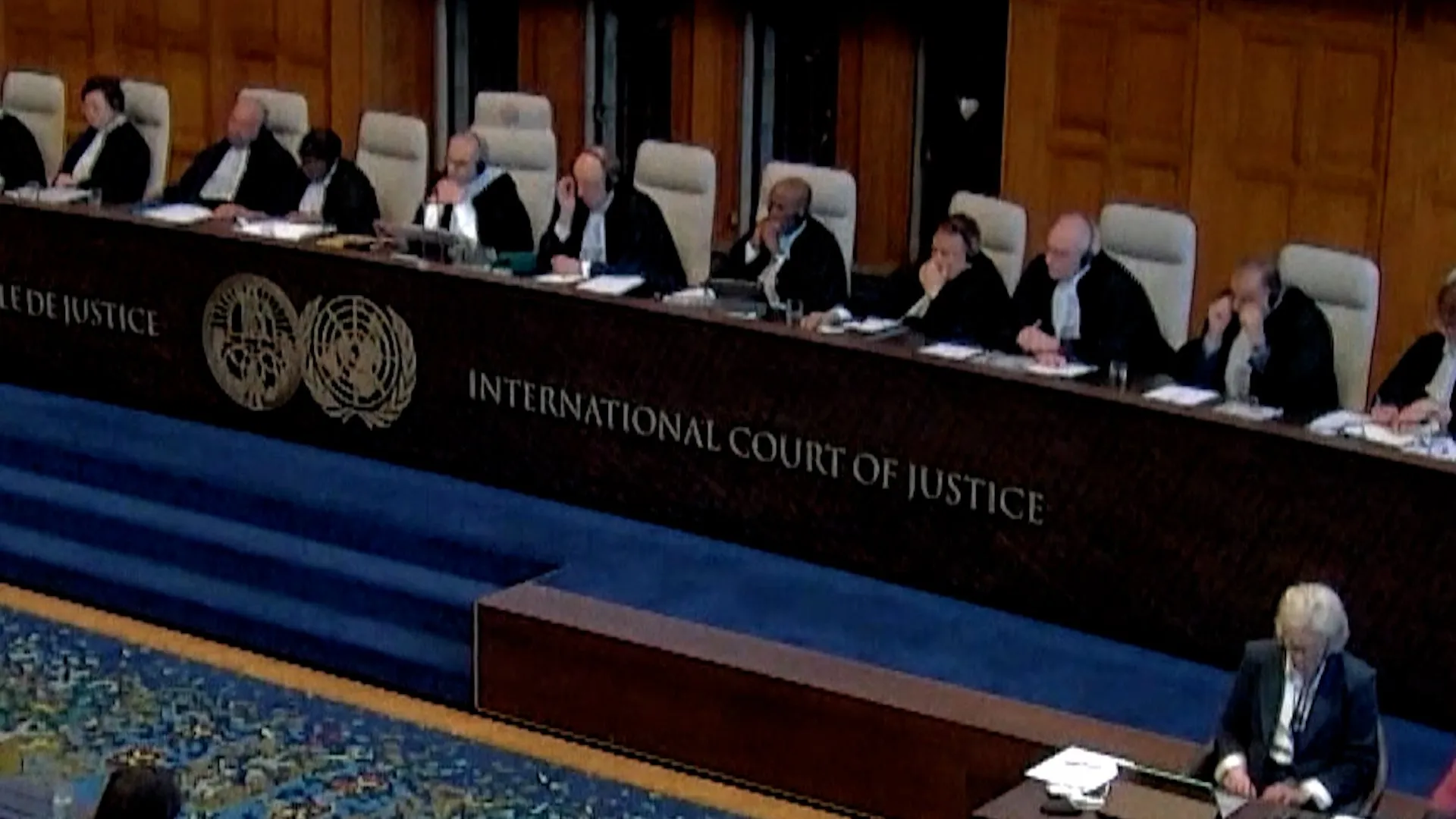
This pattern of behavior persists despite international legal rulings, including those from the International Court of Justice, which have called for an end to settlement activities. As political cycles progress, there is a noted intensification in these activities, driven rrent influence. This creates a cycle where violence escalates in anticipation of potential political shifts, further straining the already fragile situation in the region.
The acceleration of settlement policies is often attributed to specific members of the governing coalition who have championed the annexation of Palestinian territories. These officials have successfully integrated the promotion of illegal settlements into mainstream political discourse, overseeing significant infrastructure projects that aim to render a two-state solution physically impossible. The E1 settlement project, which seeks to connect East Jerusalem with other major settlement blocs, serves as a primary example of this long-term strategy.
However, analysts caution against viewing the situation solely through the actions of a few polarizing figures. The success of the settlement project relies on a broader consensus across various state institutions, including the military, the police, and the judicial oversight bodies. Without the institutional protection and the perceived mandate provided chment would be difficult to sustain. Ultimately, the situation in the West Bank reflects a deep-seated alignment between state institutions and the goals of the settler movement.