

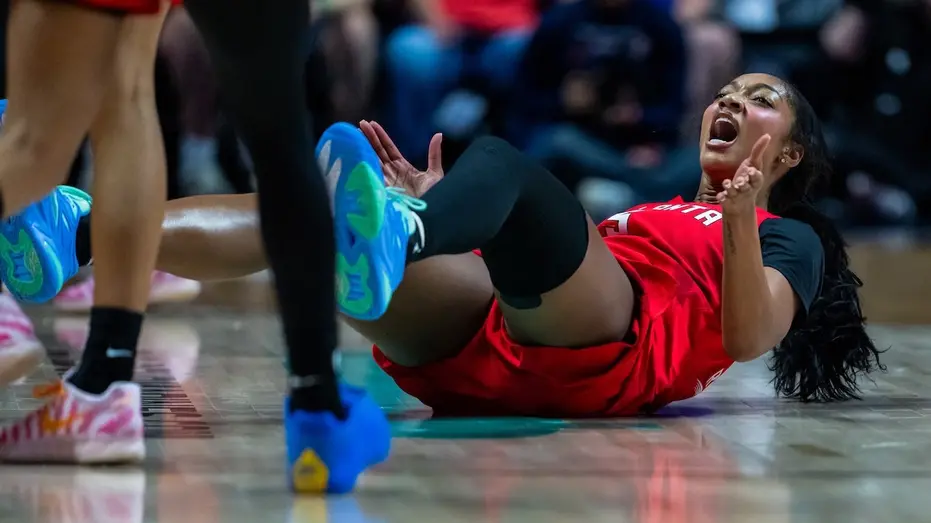
Angel Reese found herself at the center of a physical confrontation during a recent game, leading to a Flagrant 1 foul call and a difficult shooting night.
The intensity of the WNBA season was on full display during a recent contest between the Chicago Sky and the Connecticut Sun. During a heated exchange on the court, Sky forward Angel Reese was struck in the face to the floor immediately afterward. The situation quickly escalated as a visibly frustrated Reese stood over Edwards, vocalizing her displeasure with the contact.
Officials reviewed the play following the incident, ultimately determining that the contact warranted an upgrade to a Flagrant 1 foul. While the foul became a major talking point among fans and analysts, it remained unaddressed during the postgame press conference ays that have characterized the current WNBA season, raising questions regarding player safety and the officiating standards governing contact.
Beyond the physical altercation, Reese struggled to find her rhythm against a formidable defensive presence. Early in the opening quarter, she faced a difficult challenge when her shot attempt was emphatically rejected er maintained this defensive pressure, successfully blocking a total of three of Reese's shot attempts.
Despite the defensive hurdles, Reese managed to impact the game in other facets. While she finished the night with eight points on three-of-thirteen shooting and recorded two turnovers, she continued to demonstrate why she is considered one of the league's premier rebounders. glass even when her scoring efficiency dipped. She also showcased her defensive versatility, successfully executing a series of blocks and a notable steal against Griner.
The league has been embroiled in significant discussions regarding the nature of physical contact throughout the 2026 season. The incident involving Reese and Edwards follows a string of high-profile fouls that have caught the attention of the media and the public. Earlier this year, a throat punch directed at Caitlin Clark onai Carrington and Sophie Cunningham further intensified the conversation surrounding on-court conduct.
These repeated occurrences have placed the WNBA at the center of a national dialogue. Beyond the standard sporting discourse, the league is currently navigating a complex cultural landscape that includes heated discussions about roster composition and the role of physicality in the women's game. As these incidents continue to occur, the league faces mounting pressure to clarify its standards for acceptable contact.
As the WNBA prepares to pause its regular season, the focus for many of its stars will shift toward the international stage. Angel Reese is set to join a roster that includes Caitlin Clark, representing Team USA at the upcoming FIBA Women’s World Cup in Germany. This transition to international play will provide a brief reprieve from the high-tension environment of the domestic league.
The upcoming tournament serves as a major milestone for these athletes, offering an opportunity to compete on a global platform alongside their peers. As the WNBA takes a break, the organization will likely continue to evaluate the physical nature of its games. For players like Reese, the focus will remain on refining their skills and maintaining the high level of performance expected at the elite international level, leaving the domestic controversies behind for the time being.