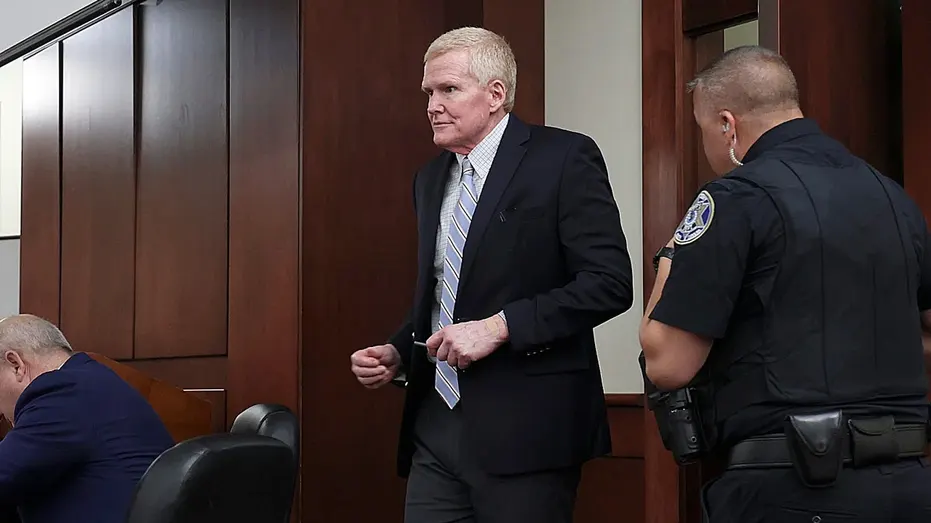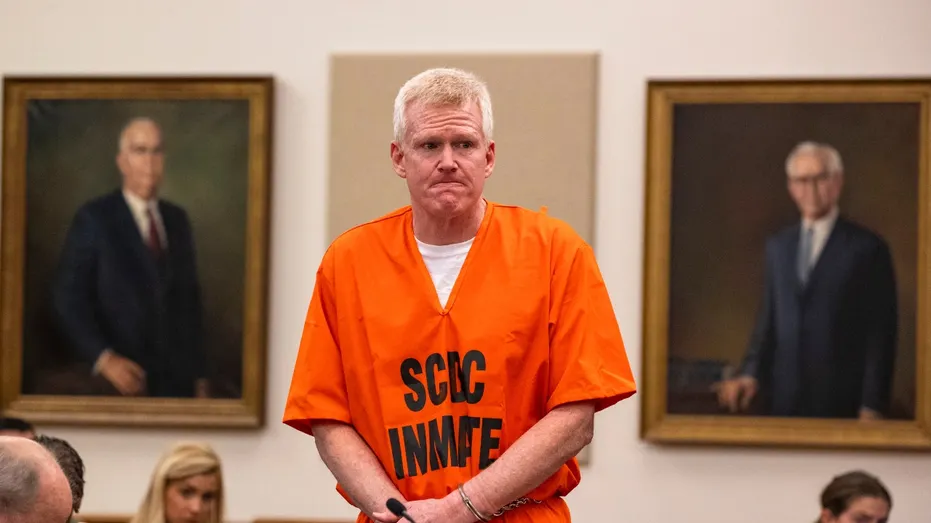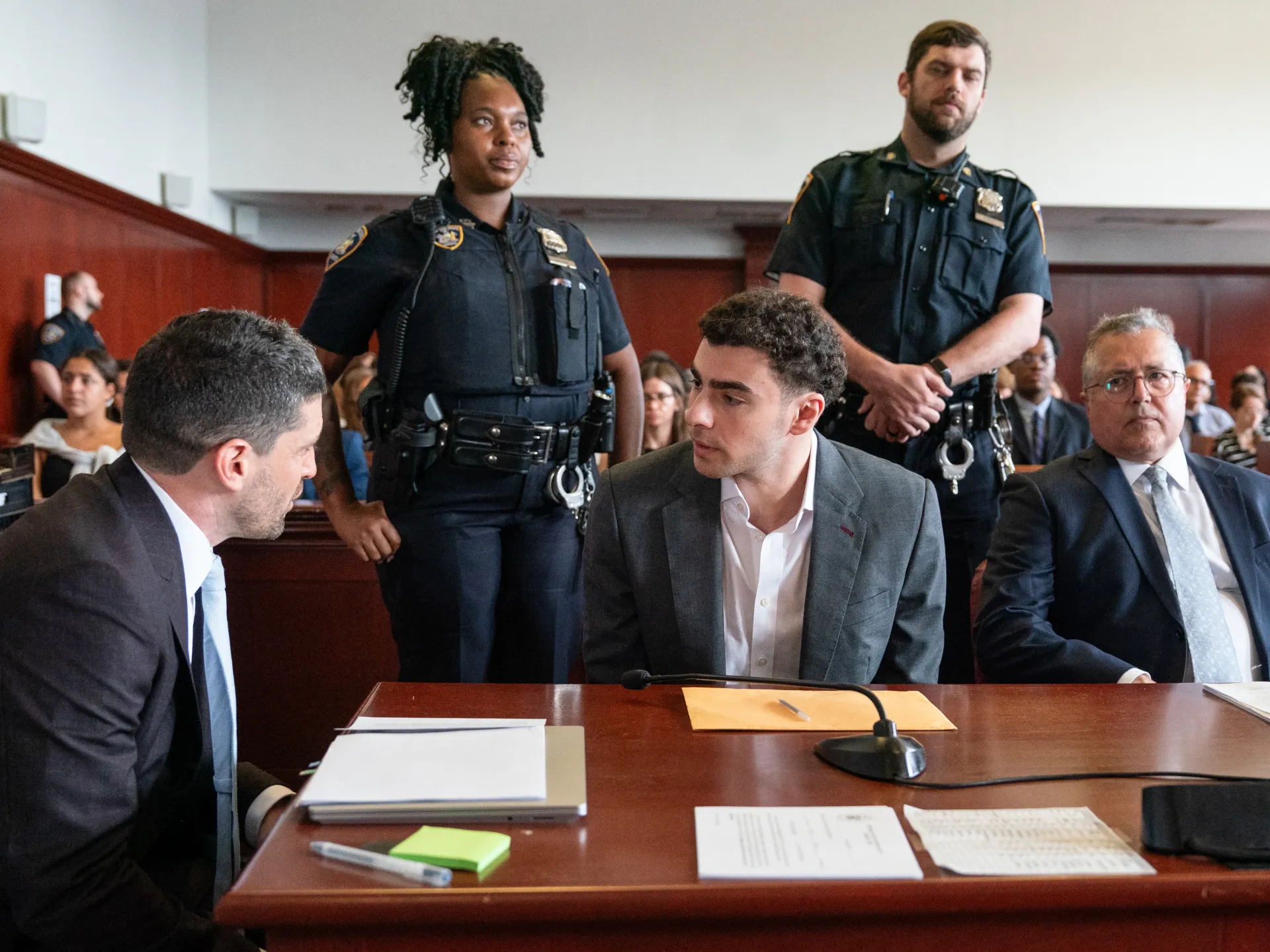
A New York judge has ruled that the jury for the trial of Luigi Mangione will remain anonymous to ensure impartiality in the high-profile murder case.
In a significant procedural development for the upcoming trial of Luigi Mangione, a New York State judge has mandated that the jury will remain anonymous throughout the proceedings. Justice Gregory Carro delivered the ruling during a hearing on Tuesday, setting the stage for jury selection to commence on September 8. While the judge did not provide a detailed justification for the decision, the use of anonymous juries is an extraordinary measure in the American legal system. Such protocols are typically reserved for high-profile cases where there is a palpable risk of juror harassment, external influence, or intimidation, ensuring the integrity of the deliberative process.
The intensity of public and media interest surrounding the case has prompted additional logistical preparations. To accommodate the expected influx of spectators and media representatives, Justice Carro has ordered the setup of an overflow courtroom. This measure ensures that the proceedings remain transparent and accessible to the public, even if the primary courtroom reaches its maximum capacity. ors, the court aims to maintain a controlled environment for what is expected to be a highly contentious and closely watched criminal trial.
Luigi Mangione, 28, is facing serious charges including murder, weapons possession, and forgery related to the December 2024 killing of UnitedHealthcare CEO Brian Thompson. The incident occurred in Midtown Manhattan, where Thompson was fatally shot as he made his way to an investor conference. The event triggered a massive five-day manhunt that culminated in Mangione's arrest in Pennsylvania. Since then, the case has become a focal point for national discussions regarding the practices of private health insurers and the frustrations felt
Prosecutors have built a comprehensive case supported resented are hundreds of hours of surveillance footage, DNA samples, fingerprints, and a mobile device. Crucially, investigators recovered a 3D-printed pistol that ballistics testing has reportedly linked to the shooting. Furthermore, prosecutors intend to introduce a notebook allegedly authored gs regarding the targeting of a healthcare executive and expresses grievances against the broader health insurance industry, using language that aligns with the markings found on ammunition recovered from the scene.
The defense team representing Mangione has maintained a guarded stance, offering little insight into their ultimate strategy or their response to the prosecution's claims. While they have not explicitly admitted that Mangione was the shooter, they have also avoided detailing a specific counter-narrative. For a brief period in June, the defense suggested they might pursue an "extreme emotional disturbance" defense. Under New York law, this strategy could have potentially mitigated a murder conviction to manslaughter, significantly reducing the maximum possible prison sentence from life to 25 years. However, the legal team abruptly retracted this notice, leaving the core of their defense strategy unclear as the trial date nears.
Beyond the state-level murder charges, the defendant remains entangled in federal legal proceedings. While initial federal murder and weapons charges were dismissed in January due to legal technicalities—a move that effectively removed the possibility of the death penalty—Mangione still faces federal stalking charges. A conviction on these counts carries the potential for a life sentence. The federal trial is slated to begin in January, meaning that regardless of the outcome in the state court, Mangione will continue to face significant legal jeopardy in the coming year.