

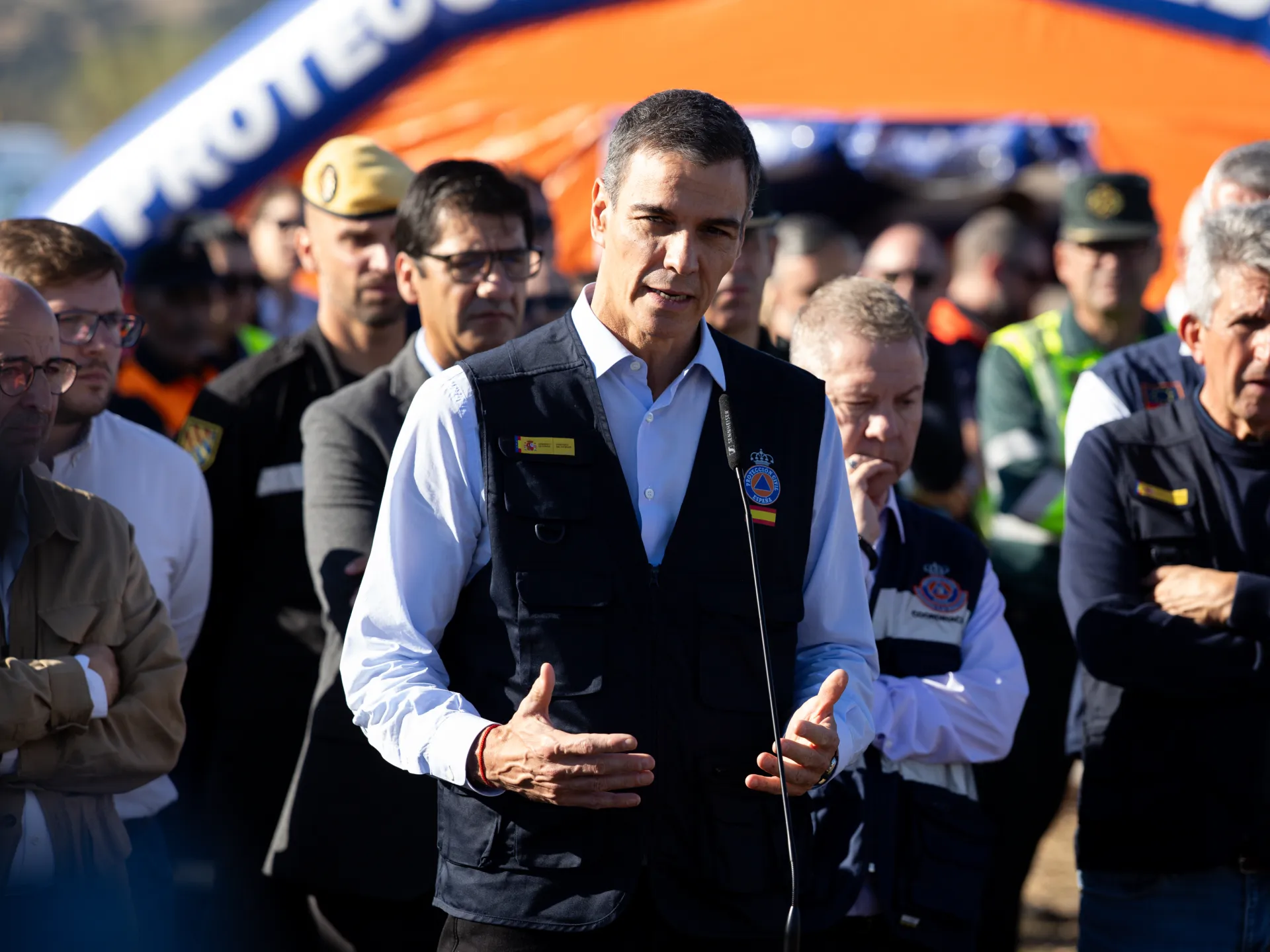
A deadly train crash in Spain is changing the political landscape ahead of the November election. Opposition parties are now questioning government competence.
Prime Minister Pedro Sanchez expressed optimism for Spain on Wednesday morning. His Socialist Party planned to focus its campaign on the national housing crisis. However, a deadly train crash occurred less than an hour later. This tragedy fundamentally changed the political tone of the upcoming November 29 election.
Next, the disaster shifted focus toward government competence and infrastructure safety. Sixty-nine people died in the collision near Toledo. This incident follows a similar tragedy that happened nine months ago. Now, the conservative opposition has new opportunities to challenge the current administration.
Then, opposition leader Alberto Nunez Feijoo demanded answers regarding the accident. He paused his party's campaign activities for two days out of respect. Meanwhile, the far-right Vox party leader, Santiago Abascal, took a much harsher stance. He openly criticized the government and called for the prime minister to resign.
Also, protesters gathered near the Transport Ministry to voice their anger. The crash involved a high-speed train hitting a stationary one. Officials suspect a failure within the older LZB train-control system. Transport Minister Oscar Puente defended the railway's safety despite these serious concerns.
Furthermore, experts question the speed of railway modernization efforts. Former Adif president Isabel Pardo de Vera criticized the government's transition between safety systems. Memories of a fatal 2013 derailment have also resurfaced among the public. Many Spaniards already feel that rail services have declined during recent years.
Still, the timing creates major difficulties for Prime Minister Sanchez. His administration currently faces ongoing corruption investigations involving his family members. He also faced criticism regarding border security failures earlier this summer. These issues have already harmed his standing in recent public opinion polls.
As a result, the campaign moved away from the housing issues the Socialists preferred. The government must now defend its record on public services and safety. Analysts suggest this environment favors the conservative Popular Party. The Socialists currently trail their rivals in most electoral surveys.
Finally, Sanchez hopes to win over many undecided left-wing voters. He needs to convince them that his social agenda remains the right path. However, the political atmosphere remains tense as the election date approaches. The nation now watches closely for answers about the tragic rail accident.