

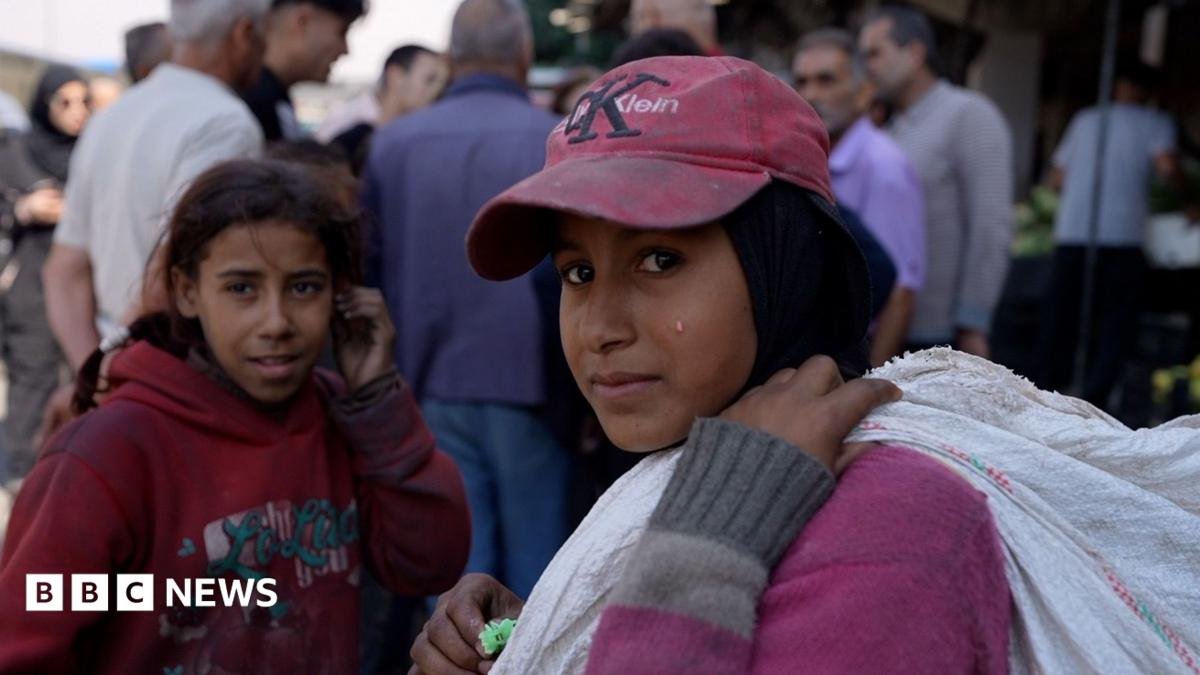
Syrians are struggling with a severe cost-of-living crisis. Rising prices and austerity measures strain families despite the end of the civil war.
Syrians currently face a difficult cost-of-living crisis. Many citizens report that their financial situation worsened over the last two years. Public anger recently erupted across the nation due to rising fuel prices. Protesters blocked roads and burned tires to show their deep frustration.
Next, the government reversed the fuel price increase after widespread protests. However, the economic struggle continues for most families. President Ahmed al-Sharaa took power after the fall of Bashar al-Assad. He now manages a nation recovering from years of civil war.
Also, the government slashed important subsidies as part of an austerity plan. Bread prices increased tenfold, while electricity costs rose significantly. These changes place a heavy burden on the average worker. Many people now struggle to afford basic food items like meat or chicken.
Meanwhile, unemployment remains a major issue throughout the country. Many men wait on streets hoping for temporary day labor. Public sector wages cannot keep up with the rapid inflation of daily goods. Families often borrow money or sell personal belongings just to survive.
Furthermore, international aid agencies reduced their services due to funding cuts. Many residents rely on this support, so the loss creates more desperation. Elderly people report that they cannot afford necessary medicine for health conditions. Some families eat only one meal every two days.
Then, the government faces criticism for its shift toward a free-market economy. Experts argue these policies do not protect the most vulnerable citizens. The lack of financial resources also complicates the path to national recovery. Reconstruction costs remain very high, exceeding two hundred billion dollars.
Still, the current leadership achieved some political gains recently. International sanctions ended, and the nation feels more stable than before. The government also regained control of resource-rich areas in the north-east. Despite these wins, the average citizen sees little change in their daily life.
Finally, experts warn that the current situation remains unsustainable. Without real economic improvement, the risk of social chaos grows. Some citizens remain patient and hopeful for better times ahead. However, many others continue to suffer in silence while waiting for change.