

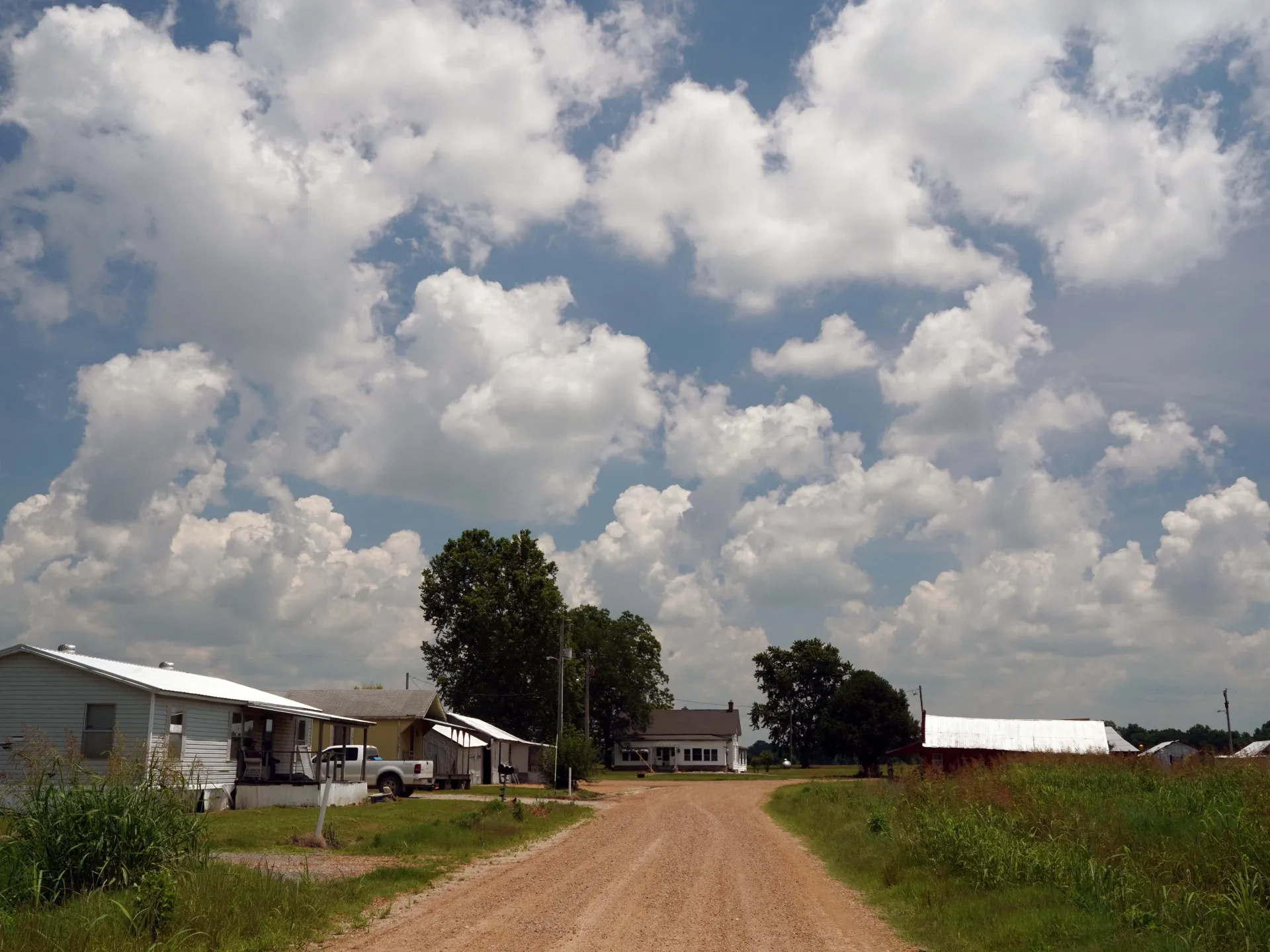
Farmers face rising costs and difficult planting decisions as the midterm elections approach. Many are weighing economic struggles against traditional party loyalty.
Farmers across the United States currently face difficult choices regarding their crops and their votes. Paul McKinney, an Arkansas farmer, plans to plant less rice next year. High fuel and fertilizer costs forced this change for his multi-generational family business.
Meanwhile, the upcoming midterm elections force farmers to weigh their political options. Many rural voters traditionally support Republicans. However, rising living costs and economic strain lead some to reconsider their usual party loyalty.
Economists note that input costs began rising years ago. Trade wars, global conflicts, and climate change worsened these financial pressures. Recent disruptions near the Strait of Hormuz caused fertilizer and diesel prices to spike significantly.
These price hikes created a massive economic burden for agricultural states. Arkansas alone faces hundreds of millions in added costs. While the government announced fuel relief programs, many farmers feel these measures fail to solve long-term survival issues.
As a result, farm bankruptcies continue to climb nationwide. Hallie Shoffner, a former farmer turned political candidate, understands this pain well. She closed her family farm because rising costs made profitability impossible.
Now, Shoffner runs for the Senate to advocate for better trade policies and rural support. She argues that food producers must earn a sustainable living to keep rural communities alive. She faces a difficult race against an established incumbent.
Still, political analysts suggest that economic pain does not always change voting habits. Many rural voters remain committed to the Republican party regardless of current farm conditions. Partisan identity often outweighs financial concerns at the ballot box.
However, recent polls show a growing number of farmers feel the country is heading in the wrong direction. Some traditionally Republican voters express interest in alternative candidates this year. This shift could impact tight races in several states.