

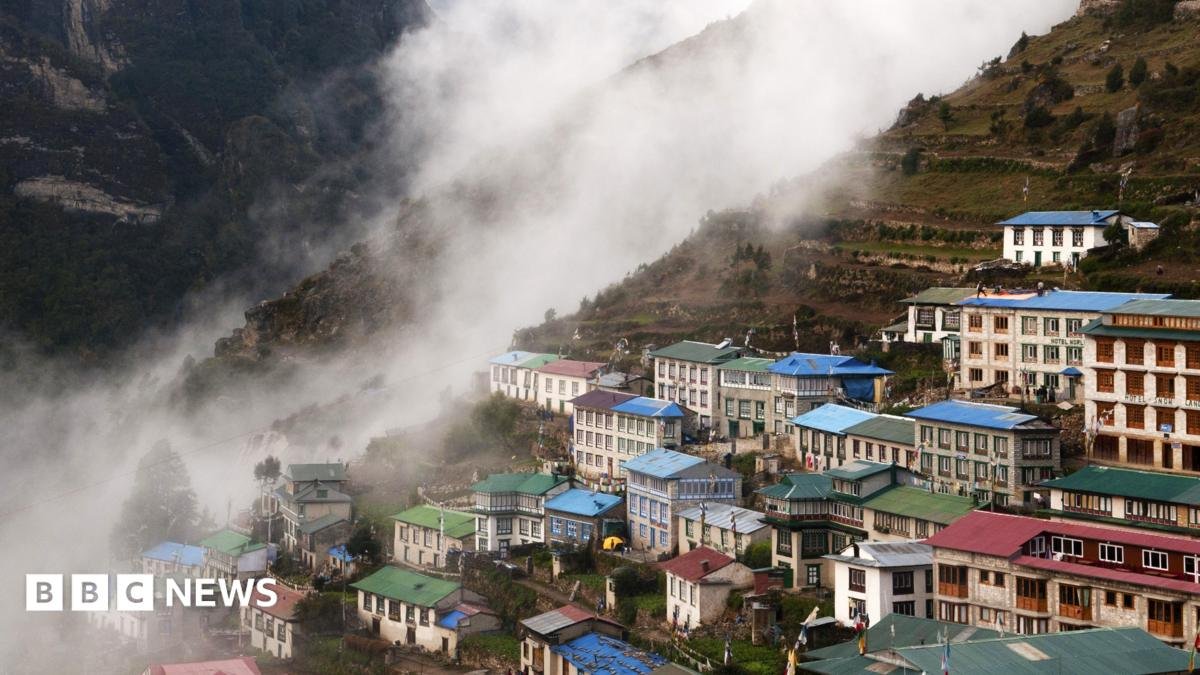
New research shows that rapid construction in the Himalayas places 300,000 people in the path of potential floods and glacial disasters.
A recent study shows that 300,000 people now live in high-risk zones across the Himalayan region. New construction has increased by 45% in these areas between 2016 and 2023. These developments sit in parts of Nepal, India, and Tibet.
Also, the pace of building near dangerous glacial lakes rose by nearly 78%. Scientists warn that the actual number of people at risk is likely much higher. They only studied a small portion of the total territory.
Meanwhile, recent floods in Nepal left over 1,400 people dead. Smaller floods continue to destroy homes and bridges across the region. These events highlight the growing danger to local communities.
Next, researchers from the UK, Nepal, and India studied 1,360 glacial lakes. They found extensive growth in tourism facilities and real estate. Many new buildings sit dangerously close to river banks.
However, local leaders struggle to enforce building codes. Many older structures remain within just meters of the water. Moving these established communities presents a massive challenge for city planners.
Furthermore, tourism investors often ignore environmental risks. Business owners report that they have never seen disasters of this scale before. They now live in constant fear of sudden glacial lake bursts.
As a result, hydropower projects have also expanded rapidly in these river valleys. Experts warn that current development decisions create long-term risks. These structures will likely face threats for decades to come.
Still, the region faces unique climate pressures. Himalayan temperatures rise twice as fast as the global average. This rapid warming melts glaciers and destabilizes mountain slopes.
Finally, experts call for better early-warning systems and stricter planning. Governments in Nepal and India are now introducing new zoning rules. Yet, implementing these changes remains difficult due to local resistance.