

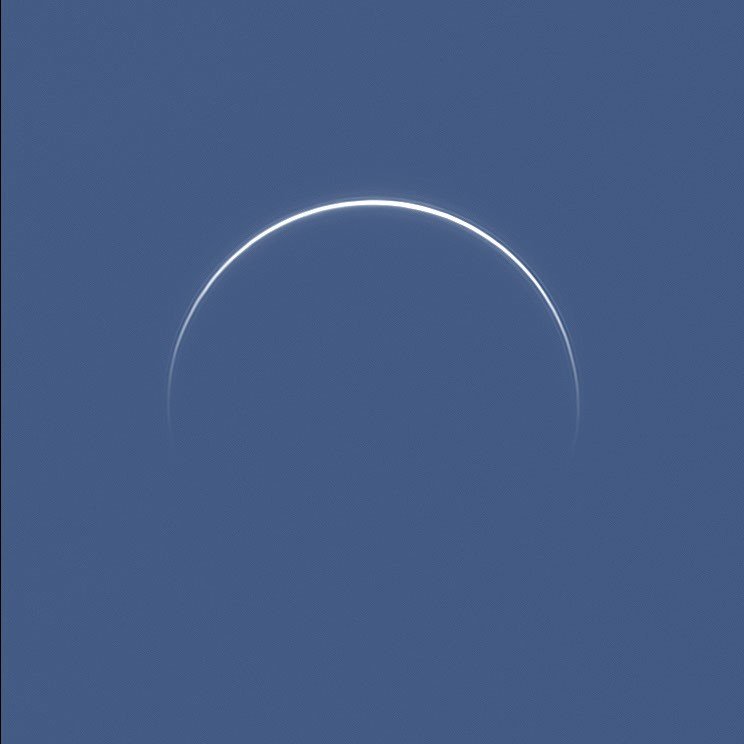
Venus displays unique crescent phases that resemble the moon. Astronomers explain how the planet's atmosphere creates glowing horns during specific alignments.
Observers often mistake Venus for the crescent moon. However, the planet actually displays phases just like our moon does. This happens because of its specific position in space.
The planet appears as a crescent when it sits directly between the Sun and Earth. This special alignment occurs once every eighteen months. It resembles the monthly cycle of the moon.
Next, the atmosphere of Venus changes how we see it. It scatters and bends sunlight around the planet. This creates a bright, glowing arc that stretches past 180 degrees.
Also, astronomers call the tips of this arc the horns. These horns become visible when the planet is backlit by the Sun. The view is quite unique.
Meanwhile, you can spot this crescent with simple tools. Binoculars or a small telescope work well during twilight hours. Some people with excellent vision might even see it without help.
Furthermore, ancient people studied these changes long ago. Babylonian astronomers tracked how the brightness of Venus shifted over time. They linked these changes to the planet's phases.
In addition, other civilizations kept similar records. For example, the oldest surviving Maya book mentions these astronomical patterns. These cultures clearly valued the movement of the planets.
Finally, the image reminds us of the beauty in our universe. Venus remains a fascinating object for sky watchers today. Keep looking up to find new wonders in the night sky.