

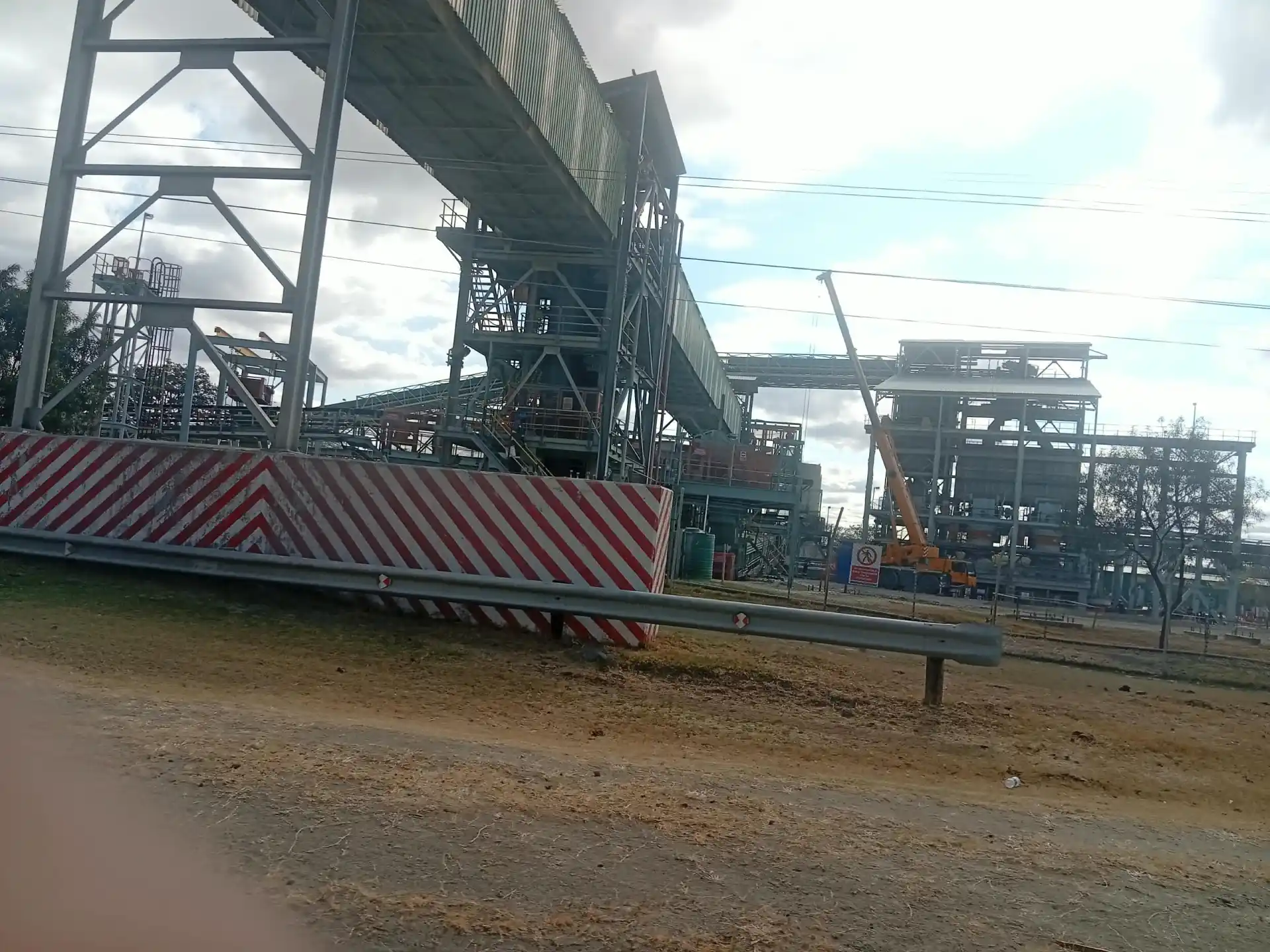
Despite a multi-billion dollar platinum boom in Zimbabwe, local mining communities struggle with poor infrastructure, polluted water, and lack of schools.
Zimbabwe possesses the world’s second-largest platinum deposits. This industry generates billions of dollars in export revenue every year. Mining currently accounts for nearly 75 percent of the country’s total exports. However, local residents living near these mines report a lack of basic services.
Next, experts note that platinum prices recently reached record highs. This surge provides a major opportunity for national economic growth. Mining companies reported record earnings of $8.5 billion during 2025. Still, this massive wealth remains largely absent from surrounding villages.
Meanwhile, communities in the Mhondoro-Ngezi district face difficult living conditions. Local residents struggle with poor roads and inadequate school facilities. Many students must walk over 15 kilometers to reach their classrooms. Some schools even lack buildings, forcing children to learn outside under trees.
Also, families report serious environmental concerns regarding the local water supply. Sewage from mining operations allegedly pollutes the Ngwazani River. This contamination prevents residents from using the water for gardening or household chores. Flooding at the river also blocks students from attending school.
Then, many residents rely on scavenging plastic waste to survive. One local mother noted that she earns only $20 per month from this work. She expressed a desperate need for programs to empower women in the region. She hopes for projects that can provide stable support for her large family.
However, some mining companies defend their record of community investment. Unki Mine claims it spends roughly $1.5 million annually on local development. They point to new boreholes and support for dozens of schools. These companies also pay millions in municipal taxes each year.
Still, local leaders argue these efforts do not meet the growing demand. The rapid influx of workers has overwhelmed existing public infrastructure. Local officials also report that they lack direct communication with mining executives. They want a stronger voice in local development plans.
Finally, residents continue to demand a lasting legacy from the mining industry. They want better roads and functioning water systems for their towns. They believe the resources beneath their soil should improve their daily lives. The community remains hopeful for meaningful change in the near future.