

Sudan's civil war has forced millions of children out of school. Many now work to support their families as poverty and violence rise.
Nine-year-old Abkar Mohammed works on the streets of Port Sudan. He cleans shoes to help his family survive. He fled his home in Khartoum when the war began in 2023. Now, he misses school to earn money for daily needs.
Also, Abkar represents millions of Sudanese children who cannot attend classes. UNICEF reports that eight million children are currently out of school. On average, these students have missed over 480 days of learning.
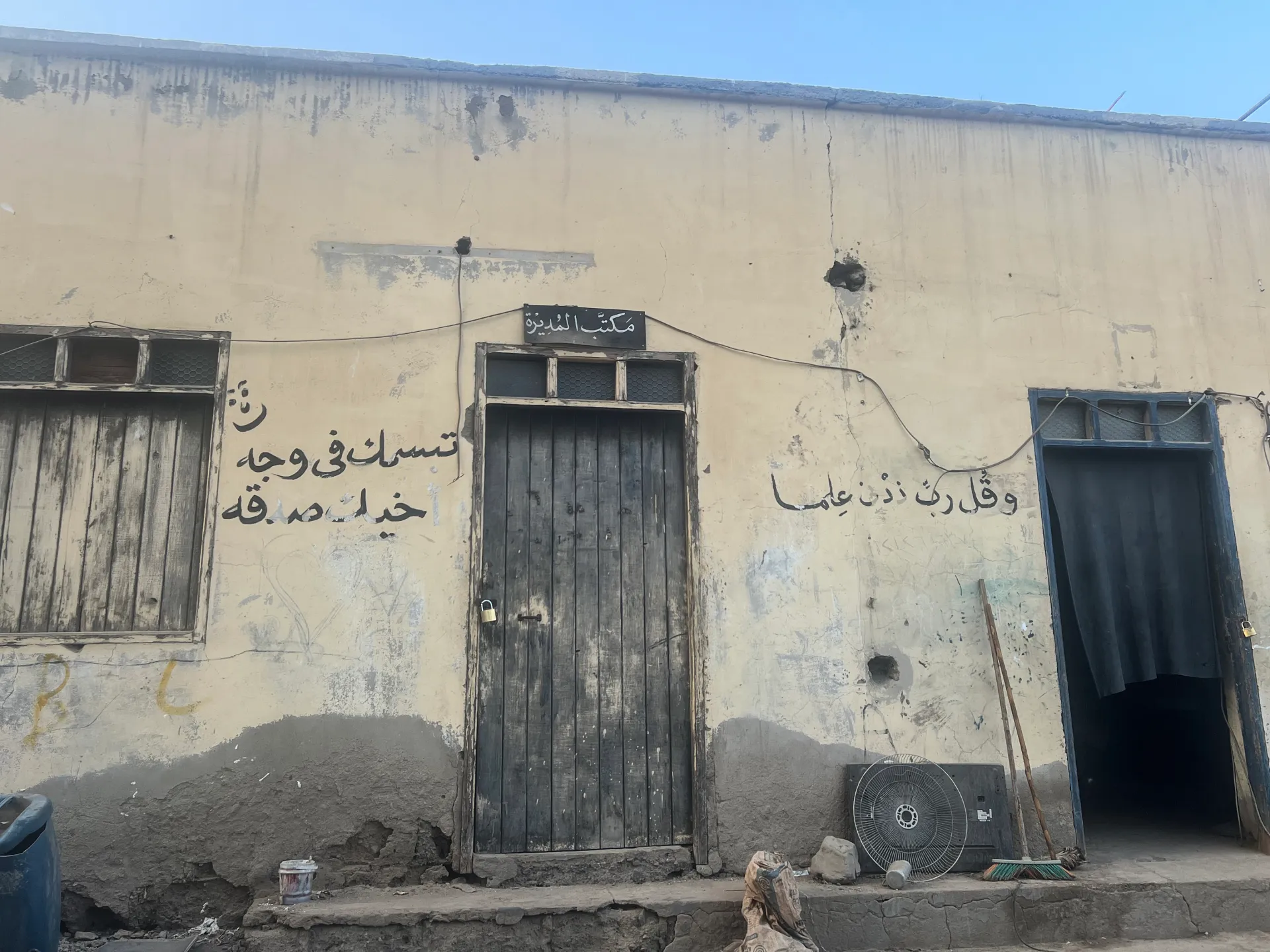
Next, the ongoing fighting destroys vital educational infrastructure across the country. Drone strikes frequently target schools and warehouses full of books. These attacks leave children without safe places to study or learn.
Meanwhile, experts worry about the long-term impact on young girls. Many students face risks like child labor and early marriage. Sexual violence remains a major concern for those out of school.
After that, UNICEF officials highlighted the damage to school buildings. Nearly half of all classrooms in Sudan no longer function. Repeated displacement forces families to move constantly, which further disrupts education.
Furthermore, psychologists note the heavy mental toll on the youth. Many children live in constant fear and struggle with their emotions. These stresses often lead to behavioral changes like aggression or withdrawal.
Still, parents feel forced to rely on their children for income. The country’s economy has suffered a massive decline. Many families now live in poverty after fleeing their homes with nothing.
Finally, young workers like Mahmoud see little hope for returning to class. He sells snacks on the street to earn small profits. He sacrifices his own future to help his younger brothers stay in school.