

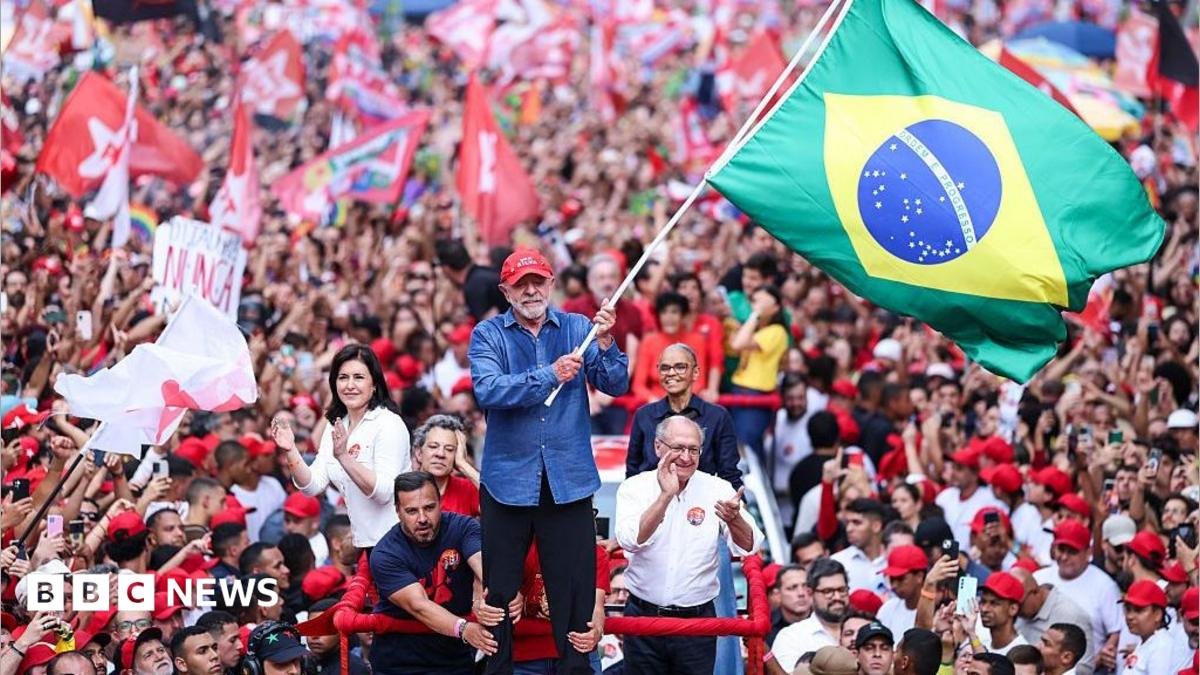
President Lula's recent election victory in Brazil complicates Donald Trump's geopolitical strategy for Latin America.
President Luiz Inacio Lula da Silva won a major victory in Brazil. During his campaign, he promised that Brazil would never act like a backyard for other nations. This strong message targeted Washington and helped him win over voters. His defiant stance against perceived foreign interference became a key part of his political brand.
Also, his approach seems to have earned some respect from Donald Trump. Trump claimed he gets along well with the Brazilian leader. However, the former U.S. president also called the election results rigged. Their relationship remains complex and often shifts based on political needs.
Next, previous tensions defined their early interactions. Lula once stated he had no relationship with Trump during a time of trade disputes. Trump previously placed tariffs on Brazil as a political move. Lula fought back by emphasizing national sovereignty and criticizing U.S. involvement in his country.
As a result, Lula's popularity grew among Brazilian voters. He argued that the political right harmed the nation by favoring foreign interests. Eventually, the U.S. reduced those trade tariffs. The two leaders later met at the White House to discuss shared goals.
Meanwhile, Trump hoped for a different outcome in this election. He wanted to build a regional coalition of allies across Latin America. Experts believe Trump viewed Brazil as a vital prize for his strategic plans. He sought influence over Brazil’s massive economy and mineral resources.
However, future tensions may still arise between the two nations. Brazil recently denied visas to U.S. officials over disagreements about the electoral system. In return, the U.S. revoked the visa of the Brazilian ambassador. These diplomatic clashes highlight ongoing friction between the governments.
Furthermore, Lula rejects U.S. military actions in the region. He opposes Washington's policies regarding Venezuela and drug trafficking operations. He worries that such actions threaten the sovereignty of his country. Many supporters remember past regional dictatorships backed by foreign powers.
Finally, disagreements over technology and banking impact their ties. Lula’s team criticized Meta for its role in the election. Additionally, the U.S. dislikes Brazil’s instant payment system, known as Pix. Despite these issues, the U.S. remains a top trading partner for Brazil today.