

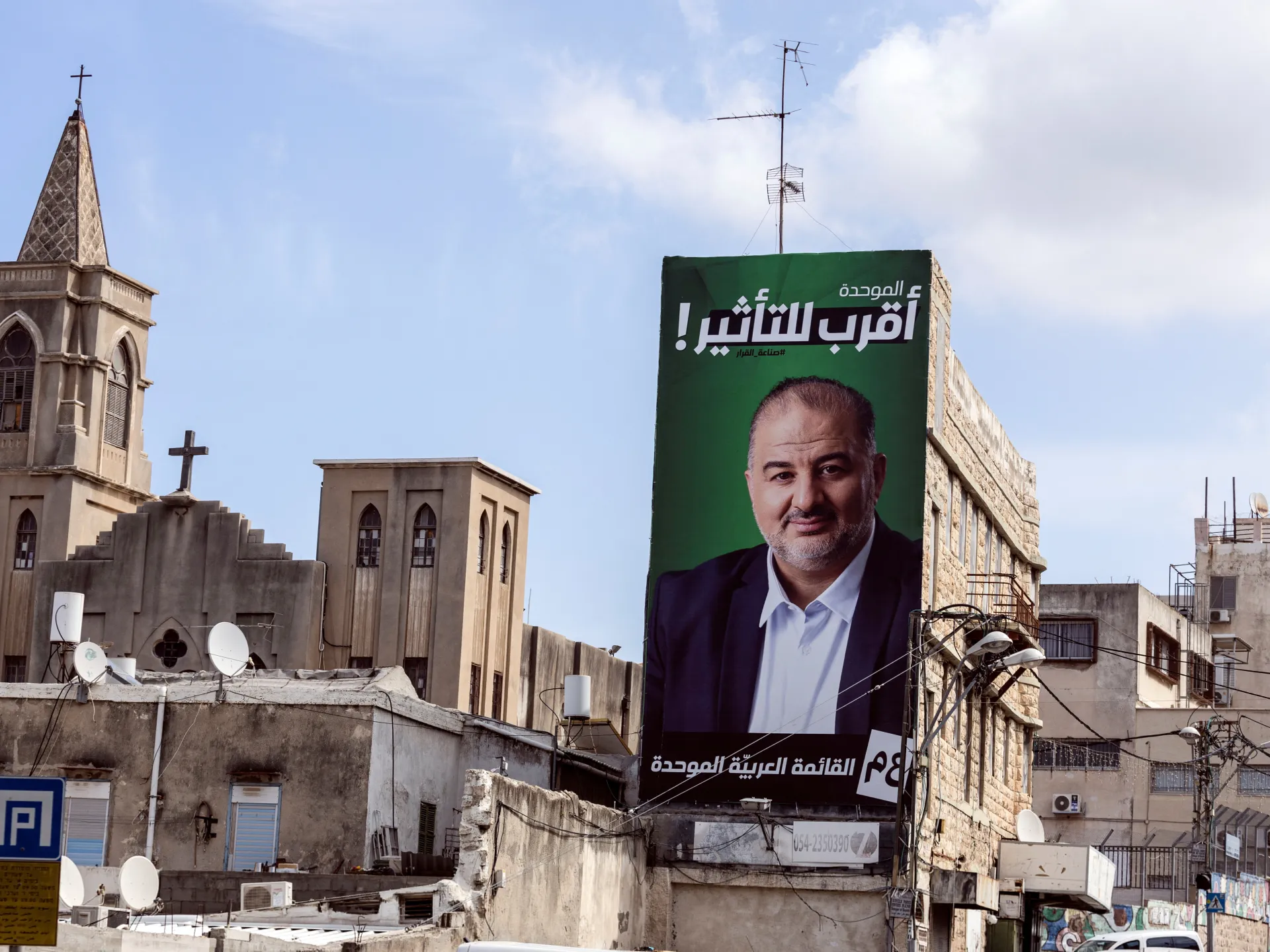
Palestinian citizens of Israel face a difficult dilemma as the national election approaches. Many doubt that voting will bring meaningful change.
Israel holds a general election on October 27. Most voters see a choice between Benjamin Netanyahu and his main opponent. However, Palestinian citizens of Israel face a much harder dilemma. They make up twenty percent of the population.
Meanwhile, the political climate shifts toward the far right. These citizens face growing threats to their rights. They worry about rising violence and the expansion of settlements. Many also fear the militarization of their daily lives.
Also, the anti-Netanyahu bloc offers little hope for real change. This leaves many Palestinians questioning the value of their vote. They wonder if participating in these elections can actually improve their situation.
Next, it is important to look at history. Palestinians who stayed in Israel after 1948 gained citizenship in 1952. Despite this status, they face systemic dispossession. The state often tries to erase their Palestinian identity.
Furthermore, formal citizenship does not guarantee equality. Palestinians face discriminatory laws and a lack of funding for services. The state often ignores violence within these communities. Organized crime groups now use weapons stolen from the military.
As a result, these communities face constant danger. Settler groups have also begun moving into mixed Palestinian neighborhoods. Politicians like Bezalel Smotrich now plan to build more Jewish settlements in these regions.
Additionally, the government strengthens security squads and armed civilian groups. Officials have issued hundreds of thousands of new gun licenses. These actions deepen the militarization of daily life for Palestinian citizens.
Still, some political parties argue that voting can stop the far-right agenda. Past efforts show this strategy often fails. Participating in coalition governments did not bring the expected improvements for Palestinian communities.
Finally, electoral participation remains limited in its power. The cultural shift toward extreme policies goes beyond just one government. Palestinians must build grassroots organizations to challenge these structures effectively.
Ultimately, their future depends on organizing beyond the ballot box. They need a larger political project for true change. Leaders must recognize that their fate connects to all Palestinians across the region.