

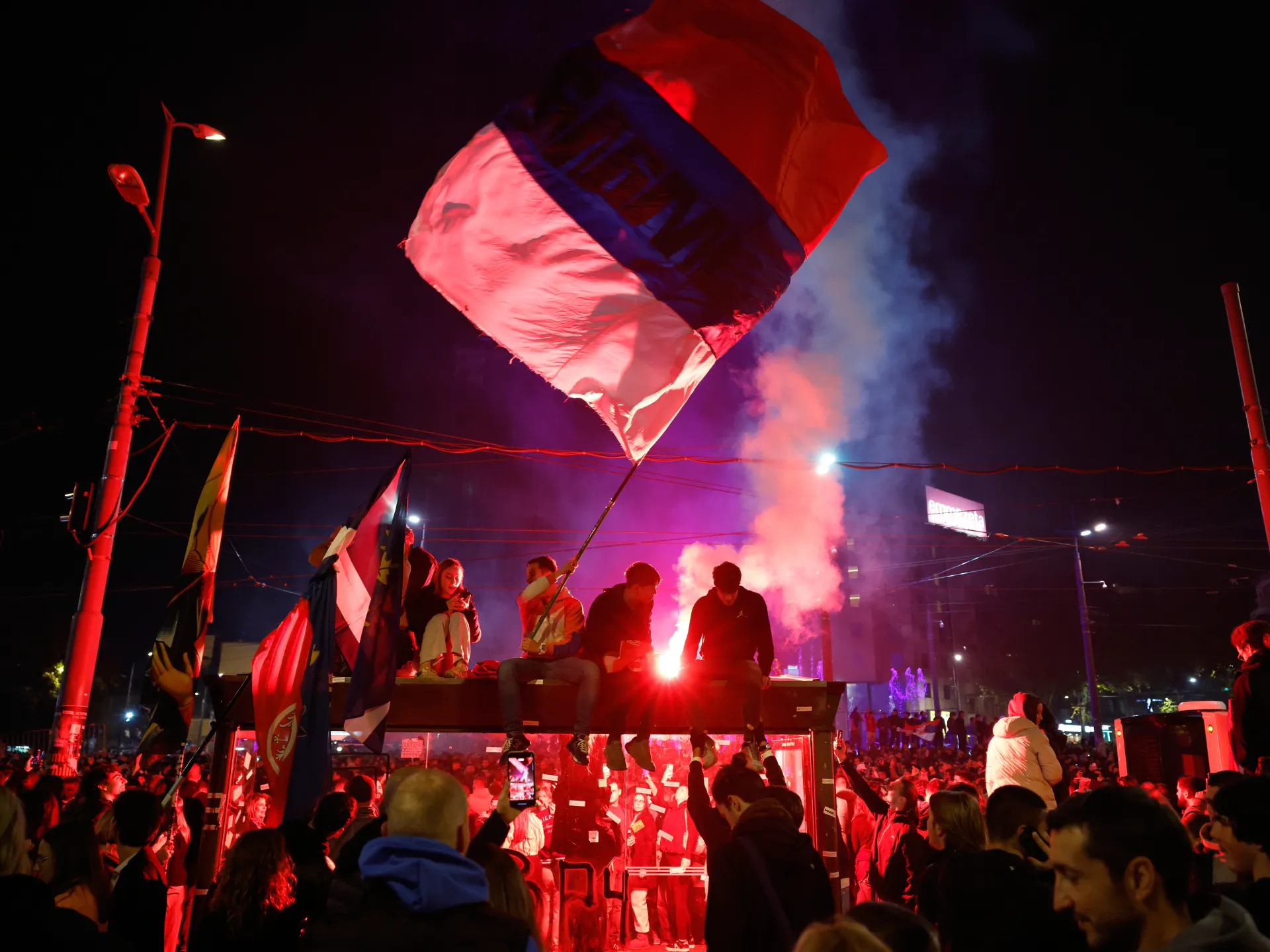
Serbia enters a new era after the opposition defeated long-time leader Aleksandar Vucic. Experts expect a slow transition focused on domestic reform.
Serbia faces a major turning point after 14 years of rule by Aleksandar Vucic. The opposition Student List won a historic victory in recent elections. This result ends the long political control of the Serbian Progressive Party.
Next, the country prepares for a difficult transition period. Experts wonder if this change will alter Serbia’s foreign policy. Analysts warn that internal reforms will likely happen before any major international shifts.
Also, the new government must fix broken democratic systems first. Leaders plan to address problems within the media, police, and judiciary. This domestic cleanup remains the top priority for the incoming administration.
Meanwhile, regional relations with neighbors like Croatia and Bosnia remain tense. Vucic often used nationalistic rhetoric that hurt these connections. Experts suggest that a rapid reset of these ties is unlikely for now.
However, the new government aims to stabilize the region over time. Strengthening ties with the European Union is a primary goal. Officials know that good neighborly relations are essential for EU membership.
Furthermore, Serbia’s relationship with Russia will likely face some changes. While the new leaders may reduce the glorification of Moscow in local media, they will not adopt a hostile stance immediately. Serbia still relies on Russia for cheap gas supplies.
Additionally, the government will review existing arms deals with Israel. Officials plan to examine contracts involving ammunition and surveillance equipment. This scrutiny is a standard part of the upcoming policy review.
Finally, analysts believe the era of sitting on multiple chairs is ending. The new administration will likely move toward closer cooperation with the West. Still, the international community should expect a gradual process rather than sudden changes.