

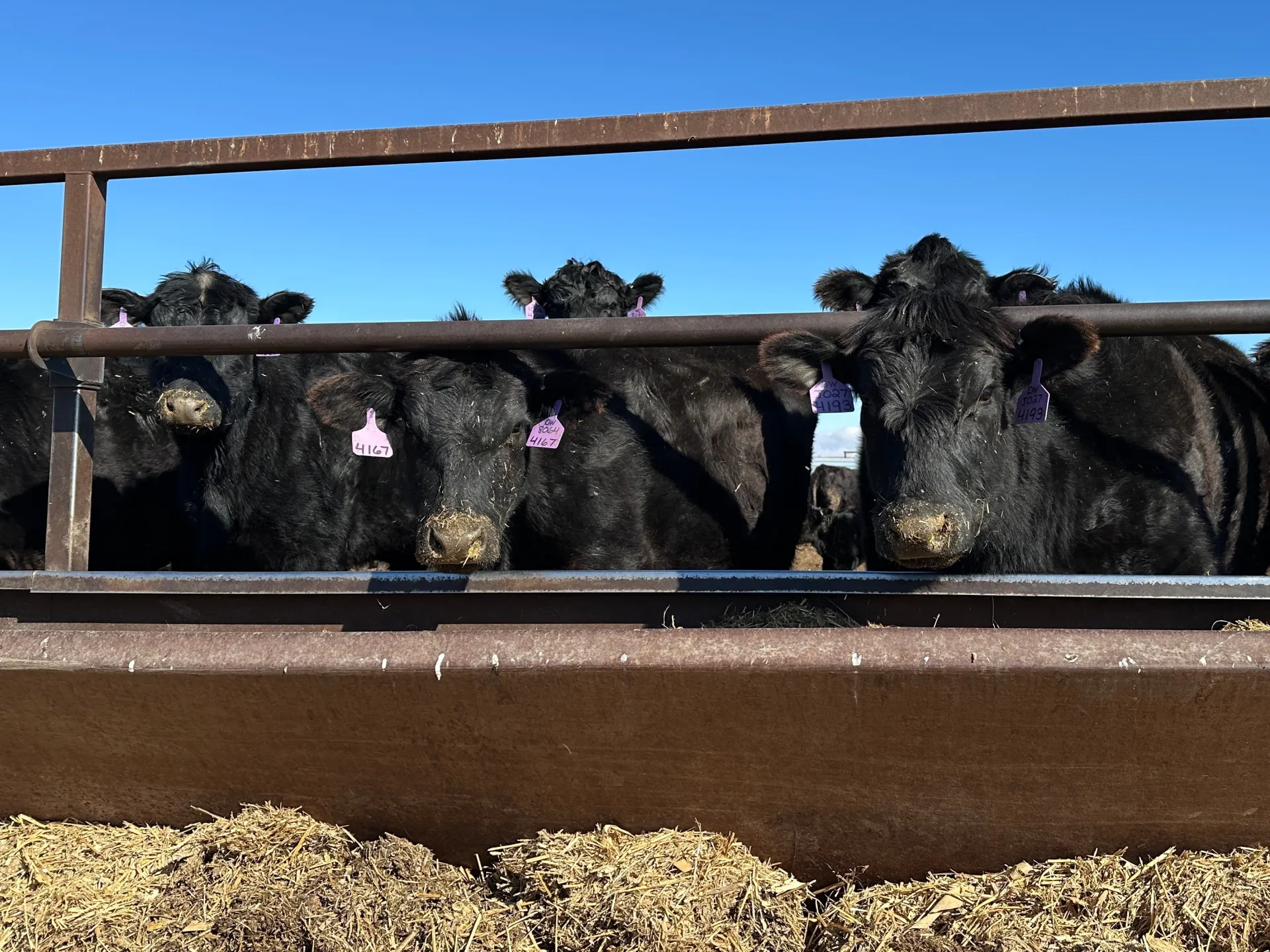
President Trump paused beef tariffs to lower prices for consumers. This decision faces strong backlash from American ranchers who fear unfair competition.
President Donald Trump recently paused specific beef tariffs for 90 days. This policy began in late August. It makes importing beef into the United States much cheaper.
Moreover, the change heavily favors beef coming from Brazil. Officials claimed this move would lower grocery costs for American families. They want to help shoppers money at the store.
However, many domestic ranchers feel betrayed by this decision. These farmers worked hard to prepare their cattle for market. They now face increased competition from cheaper foreign products.
Also, the timing hurts local producers significantly. Ranchers rely on predictable market prices to stay in business. The sudden tariff pause disrupted their expected income for the season.
Next, the influx of Brazilian beef complicates the current market balance. Large amounts of imported meat now enter the country easily. This creates a difficult environment for smaller American operations.
Meanwhile, industry groups worry about the long-term impact on domestic supply. They fear that local ranchers might reduce their herd sizes soon. This could lead to fewer jobs in rural communities.
After that, consumer advocates continue to watch the price of meat closely. They want to see if the tariff pause actually lowers grocery bills. Low prices help families, but they put pressure on farmers.
Finally, the debate over trade policy continues to grow. Ranchers seek more protection for their livestock businesses. The government must now weigh consumer needs against the livelihoods of American farmers.