

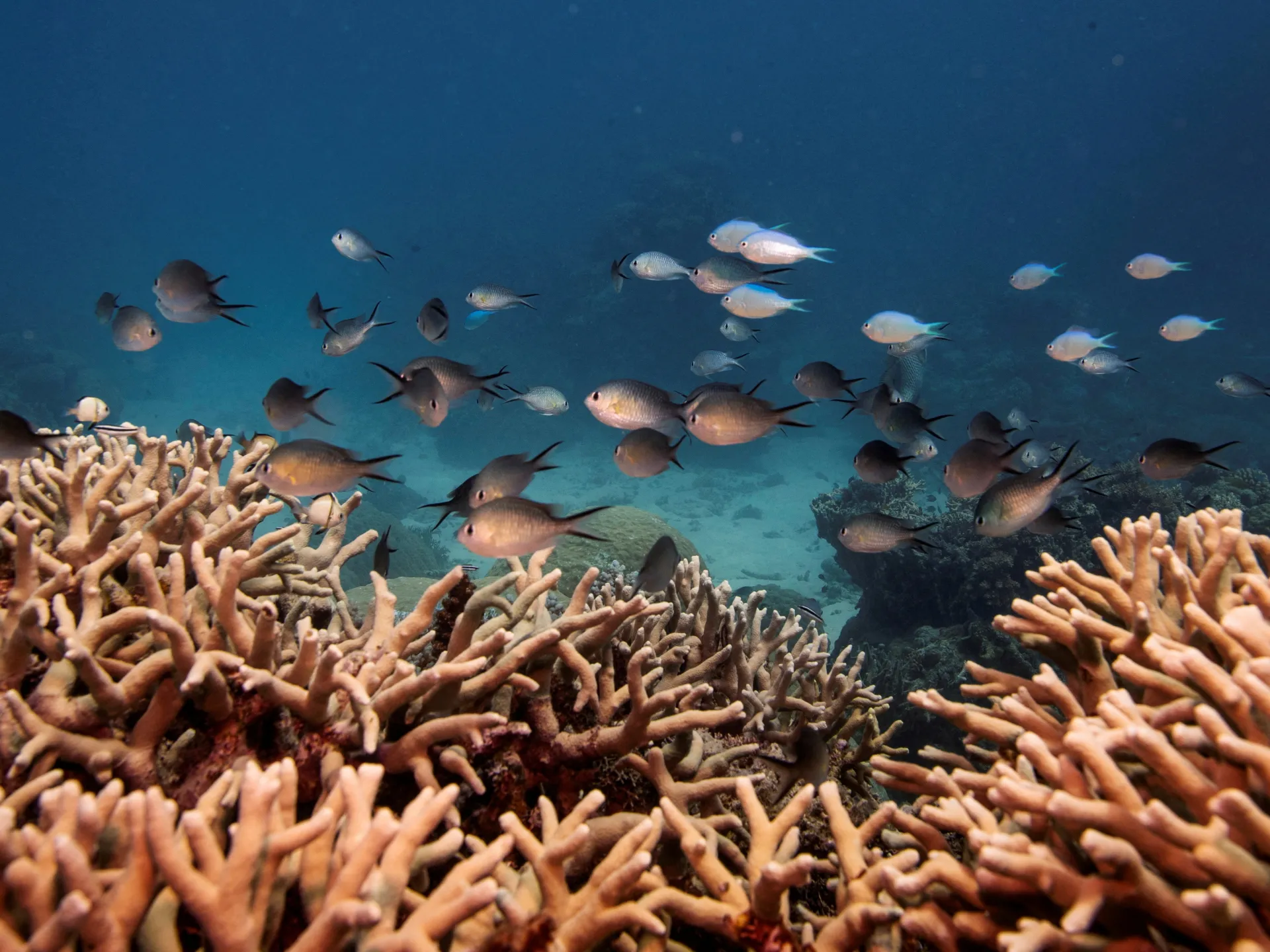
A new global study warns that 96 percent of shallow-water coral reefs face extinction by 2075. Experts classify these ecosystems as critically endangered.
A recent report from the International Union for Conservation of Nature shares dire news. It warns that shallow-water coral reefs face a major risk of collapse. This could happen within the next fifty years.
Also, the group analyzed reef systems across the globe. They found that nearly all shallow-water reefs are in danger. These ecosystems currently face an extremely high threat level.
Next, the researchers placed 96 percent of these reefs into the “critically endangered” category. This is the highest risk level the organization uses. The findings show a very grim future for ocean health.
As a result, experts worry about the total loss of these reefs. The study predicts total extinction could occur by 2075. This timeline highlights the urgent need for global action.
However, the report serves as a major wake-up call. It identifies these reefs as the most threatened ecosystems on the planet. The findings come from the world's leading authority on wildlife.
Meanwhile, the data suggests that human impacts drive this rapid decline. Warming oceans and pollution play a significant role. These factors push coral systems closer to the breaking point.
Still, the scientific community emphasizes the severity of this situation. The loss of reefs would impact countless marine species. It would also damage the balance of our underwater environments.
Finally, the study provides a clear picture of the coming disaster. We must address climate change to protect these vital habitats. Time remains to potentially slow this dangerous trend.