

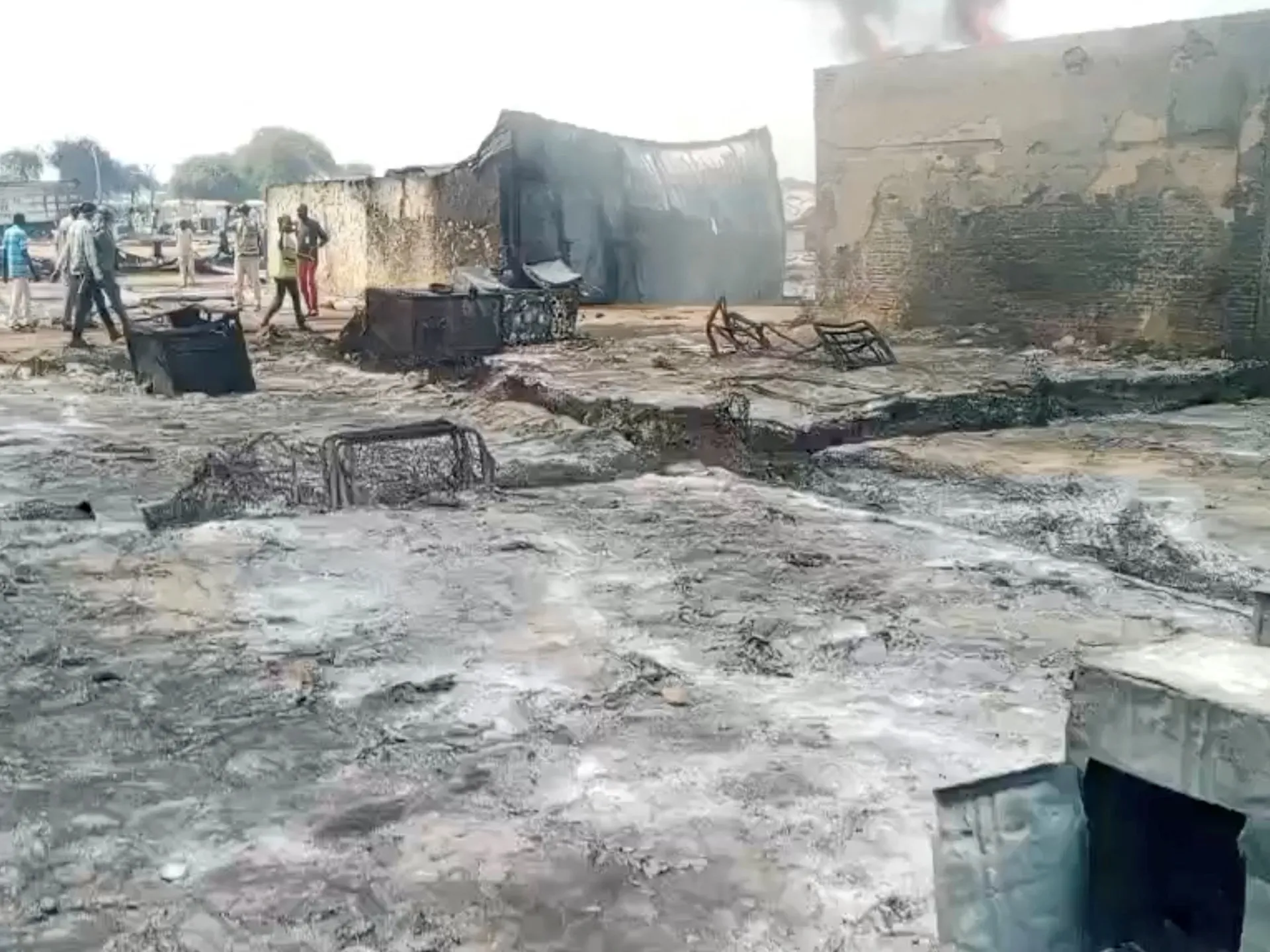
Sudan's civil war has escalated as both military factions increase their reliance on drone strikes, leading to a rising civilian death toll.
Sudan faces a dangerous new phase in its ongoing civil war. Both the Sudanese Armed Forces and the paramilitary Rapid Support Forces now rely heavily on drones. These aerial attacks bring death and destruction to crowded residential areas.
Also, civilians are trapped in the middle of these intense conflicts. Residents in Khartoum recently heard the terrifying buzz of drones before massive explosions rocked their neighborhoods. One recent strike tragically killed three children in a single family.
Meanwhile, the conflict has caused massive loss of life since April 2023. Monitors report at least 59,000 deaths across the country. Additionally, 14 million people have fled their homes to escape the violence.
Next, military leaders claim these drone strikes serve specific tactical goals. The army uses drones to hit command centers and supply routes. They aim to disrupt enemy logistics near borders with Chad and Libya.
However, the Rapid Support Forces also deploy their own drones. They target fuel stations and electrical grids to weaken the army. These strikes often hit critical civilian infrastructure, causing widespread power outages.
After that, both sides accuse each other of attacking innocent people. A recent drone strike at a transport hub killed 80 people. Another attack on a market in Nyala killed 17 civilians.
Still, the United Nations remains alarmed by these developments. Officials condemned the strikes for killing civilians and children. They note that the attacks also destroy essential services that people rely on daily.
Finally, international reports show a complex supply chain for these weapons. Researchers identified 21 different drone models used in the war. These drones come from countries including Iran, Russia, and China.
As a result, the skies over Sudan offer no safety to the population. The war grows more lethal as both sides use technology to exhaust their opponents. Civilians continue to pay the highest price in this brutal, mechanised struggle.