

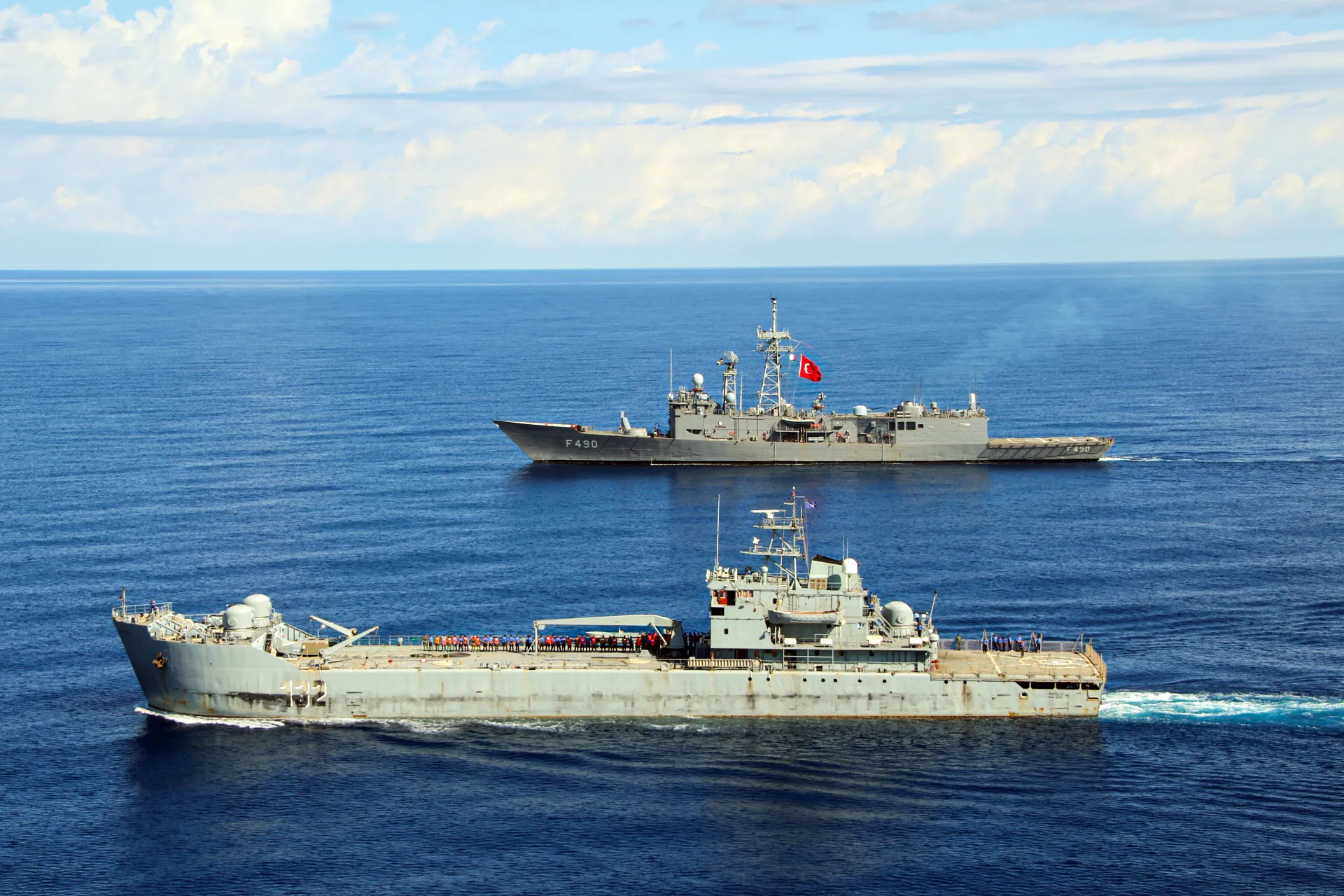
Libya's eastern parliament has ratified a maritime deal with Turkiye, sparking strong opposition from the EU, Greece, and Egypt.
Libya's eastern-based parliament recently approved a controversial 2019 maritime deal with Turkiye. This agreement defines sea borders in the Mediterranean. The Tripoli-based government originally signed the deal years ago.
Next, the Tobruk-based House of Representatives voted to support the pact. This decision marks a complete reversal of their previous rejection in 2020. Ankara has worked hard to build closer ties with this eastern faction recently.
However, many nations strongly oppose the agreement. Egypt and the European Union describe the deal as null and void. Israel also condemned the move, while Greece reported the matter to the United Nations.
Meanwhile, the agreement establishes a sea border between Turkiye and Libya. Ankara claims this move secures rights to potentially gas-rich areas. Critics argue it ignores international laws and violates the rights of other nations.
Also, Egypt claims the deal infringes upon its own sovereign waters. Cairo insists the agreement holds no legal power over them. Experts note that Egypt worries about a potential Turkish military presence near its borders.
Furthermore, the European Union stands with its members, Greece and Cyprus. EU leaders state the deal violates the UN Convention on the Law of the Sea. Greece argues the map ignores several of its islands.
Still, Turkiye maintains that the agreement is entirely legitimate. Foreign Minister Hakan Fidan dismissed the international criticism. He stated the deal protects the rights of both nations under international law.
Then, analysts point to shifting political alliances in Libya as a reason for the vote. The eastern parliament recently elected a new speaker who favors closer ties with Ankara. This change helps the Haftar family gain political leverage.
Finally, experts warn of potential naval tensions in the region. There is a high risk of incidents if ships attempt to enforce these claims. The situation remains a complex dispute over territory, power, and resources.