

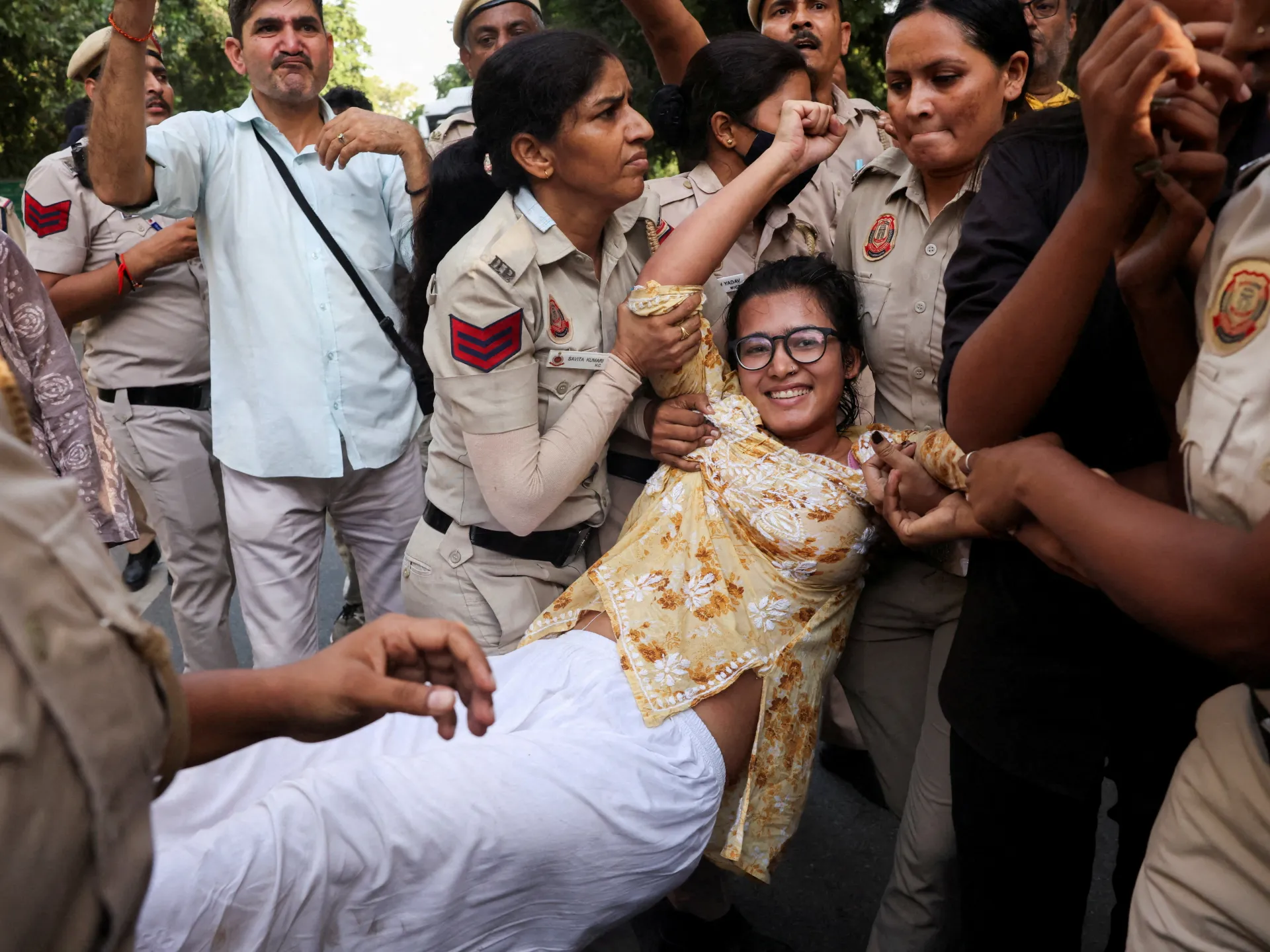
Neha Bora has become a key figure in India's youth protest movement. She challenges Prime Minister Modi through clever activism and social media influence.
Neha Bora has emerged as a prominent voice in Indian student politics. The 29-year-old leader frequently challenges the policies of Prime Minister Narendra Modi. Supporters now view her as a significant figure in the nation’s growing youth movement.
Bora recently gained national attention during large protests in New Delhi. While police detained many activists, Bora successfully evaded authorities for a time. She later appeared on social media to lead a demonstration in the city.
Her activism style relies on clever tactics to outmaneuver security forces. Many young supporters now view her as a symbol of defiance. Software developers have even created games featuring her likeness to celebrate these actions.
Next, Bora’s background is rooted in the All India Students’ Association. This left-leaning group has a long history of campus activism in India. She currently serves as the national president of this organization.
As a result, her rise has caused friction with the ruling party. Government officials often label such critics as radicals. Despite this pressure, Bora continues to organize protests against government election policies.
Also, her personal story resonates with many young Indians. She once staged a 23-day hunger strike to support student causes. This event helped turn her into a recognizable national figure.
Still, experts note that student leaders face major obstacles in national politics. AISA lacks a massive voter base outside of university campuses. Some analysts suggest she may eventually need to join a larger political party.
Meanwhile, her influence on social media continues to grow rapidly. Many students see her as a relatable and authentic voice. She uses modern digital tools to connect with supporters across the country.
Finally, the political landscape in India remains very intense. Bora shows no signs of stepping away from her activism. She remains a central figure in the ongoing struggle between youth movements and the government.