

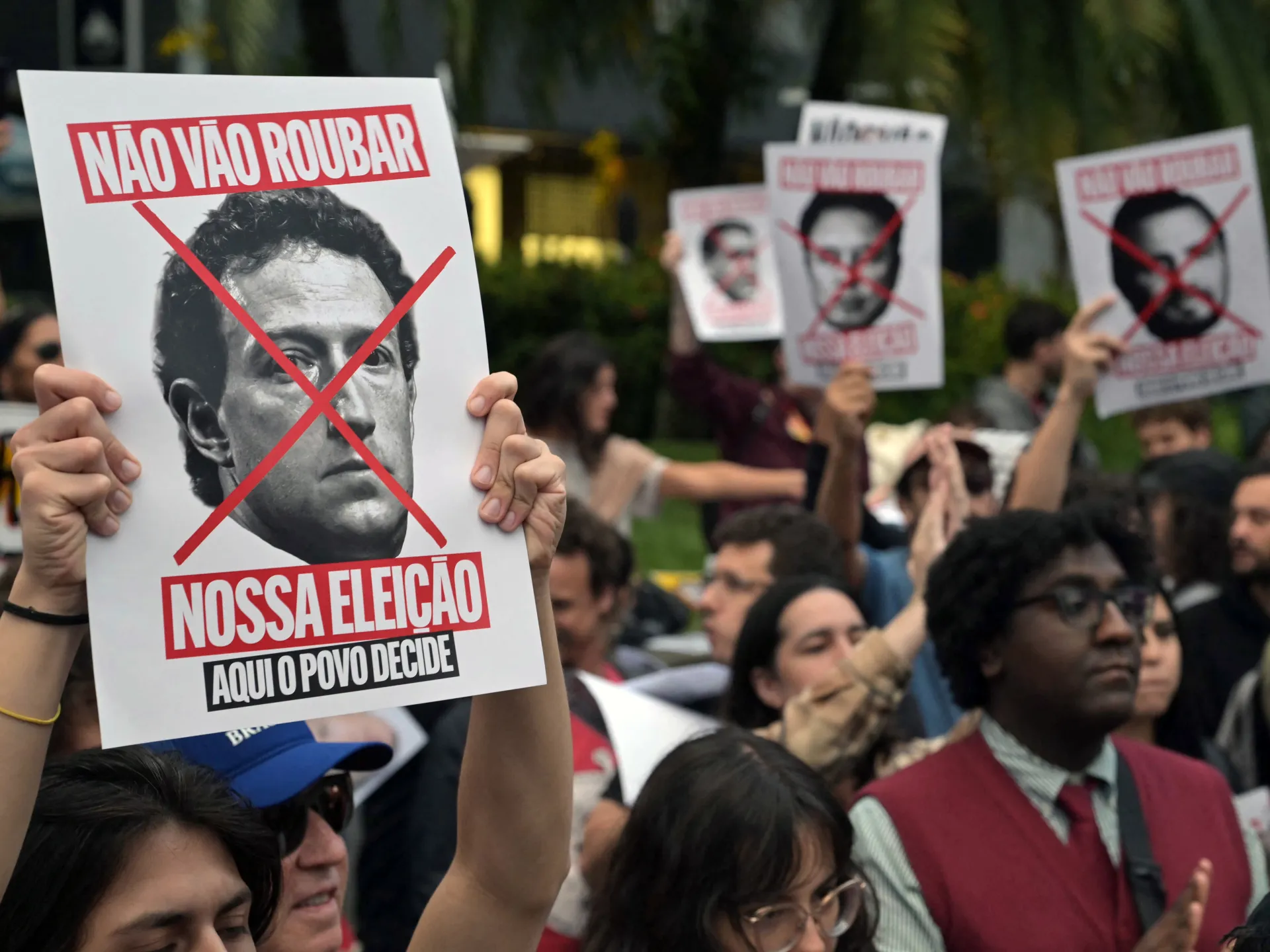
Brazil's presidential race faces scrutiny over social media bias and the role of Big Tech in shaping modern political campaigns.
Brazil’s presidential race has moved from the streets to the internet. President Luiz Inacio Lula da Silva faces Senator Flavio Bolsonaro this Sunday. Both candidates heavily target voters through social media platforms like Facebook and Instagram.
However, concerns exist regarding fairness in the digital arena. Critics accuse Meta, the owner of these platforms, of favoring Bolsonaro. Supporters of Lula claim the company suppresses their content.
Data shows political ad spending on Meta has doubled since 2022. Millions of dollars now flow directly into these digital campaigns. Experts note that most Brazilian voters rely on the internet for news.
Next, politicians now prioritize viral messaging to reach their audiences. Influencers often transition into politics to gain massive support. This trend makes it difficult for candidates to adopt different campaign styles.
Meanwhile, Brazil has implemented strict rules to manage these digital spaces. New laws ban artificial intelligence in political ads without clear warnings. Content promoting hate speech or violence is also illegal.
Still, Meta argues that these regulations threaten free speech. The company claims the rules create risks for over-enforcement. It continues to face pressure to demonstrate full transparency and compliance.
Also, research groups suggest that Meta fails to block harmful advertisements. One test found the platform approved ads containing disinformation and AI-generated content. These ads often reach millions of people before moderators act.
Finally, experts worry that the current system rewards alarmist rhetoric. They observe that far-right populism often thrives under these digital conditions. This global shift continues to impact how democracies function today.