

A new European Parliament resolution raises concerns about the treatment of Muslim communities and the rise of anti-Muslim rhetoric in mainstream politics.
Europe currently faces significant social unrest. Far-right groups frequently blame Muslim youth for recent violent protests in France. Similar rhetoric emerged in Spain after migrants attempted to cross into the enclave of Ceuta.
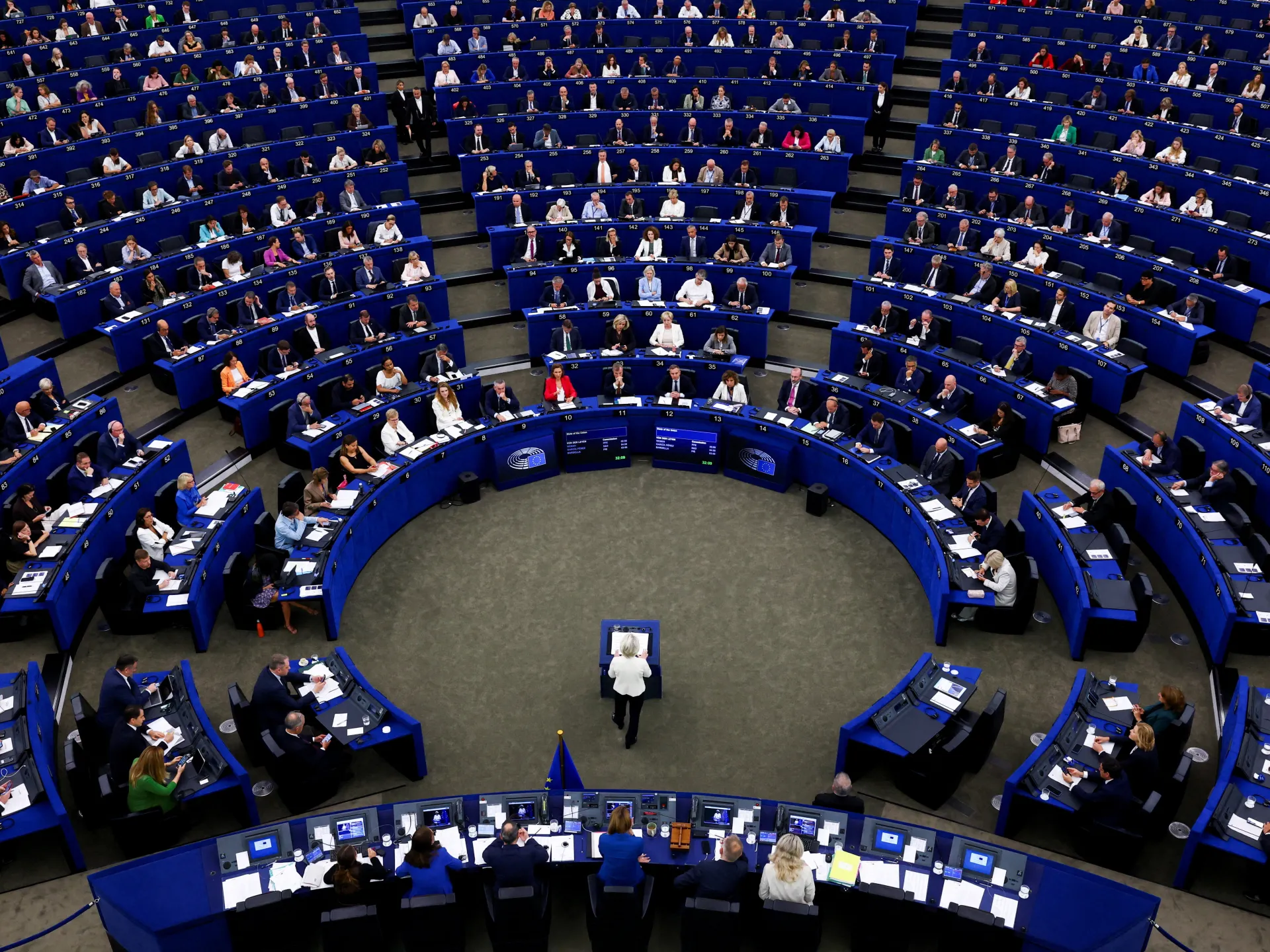
However, anti-Muslim sentiment is no longer limited to extreme political circles. The European Parliament recently passed a resolution regarding Islamist influence. This move signals a shift in how mainstream European politics views Muslim citizens.
Next, the European People’s Party introduced this resolution. Many other political groups supported the measure during the recent parliamentary vote. Only a few parties, including the Greens and the Left, voted against it.
Also, the text relies on a controversial report about political Islamism. It claims that certain groups use social initiatives to infiltrate European society. The document suggests that anti-discrimination work is a cover for these activities.
Meanwhile, the resolution is not legally binding for member states. It remains unlikely that countries will add the Muslim Brotherhood to terror lists. Still, the document creates a hostile environment for independent Muslim organizations.
Furthermore, the resolution targets specific entities like the European Network Against Racism. It calls for blocking these groups from receiving European Union funding. This policy relies on broad and vague definitions of affiliation.
As a result, some observers see the influence of foreign actors behind these policies. For example, some nations have campaigned to label various groups as extremist. The resolution mirrors these smear tactics against civil rights advocates.
Then, the document frames the defense of Muslim rights as a threat. This approach hinders public debates regarding racism and equality. It also allows politicians to scapegoat Muslims for broader governance problems.
Finally, this shift marks a concerning trend in European politics. Mainstream parties appear to be adopting far-right agendas under the guise of security. Experts warn that this will likely undermine civil liberties for all citizens.