

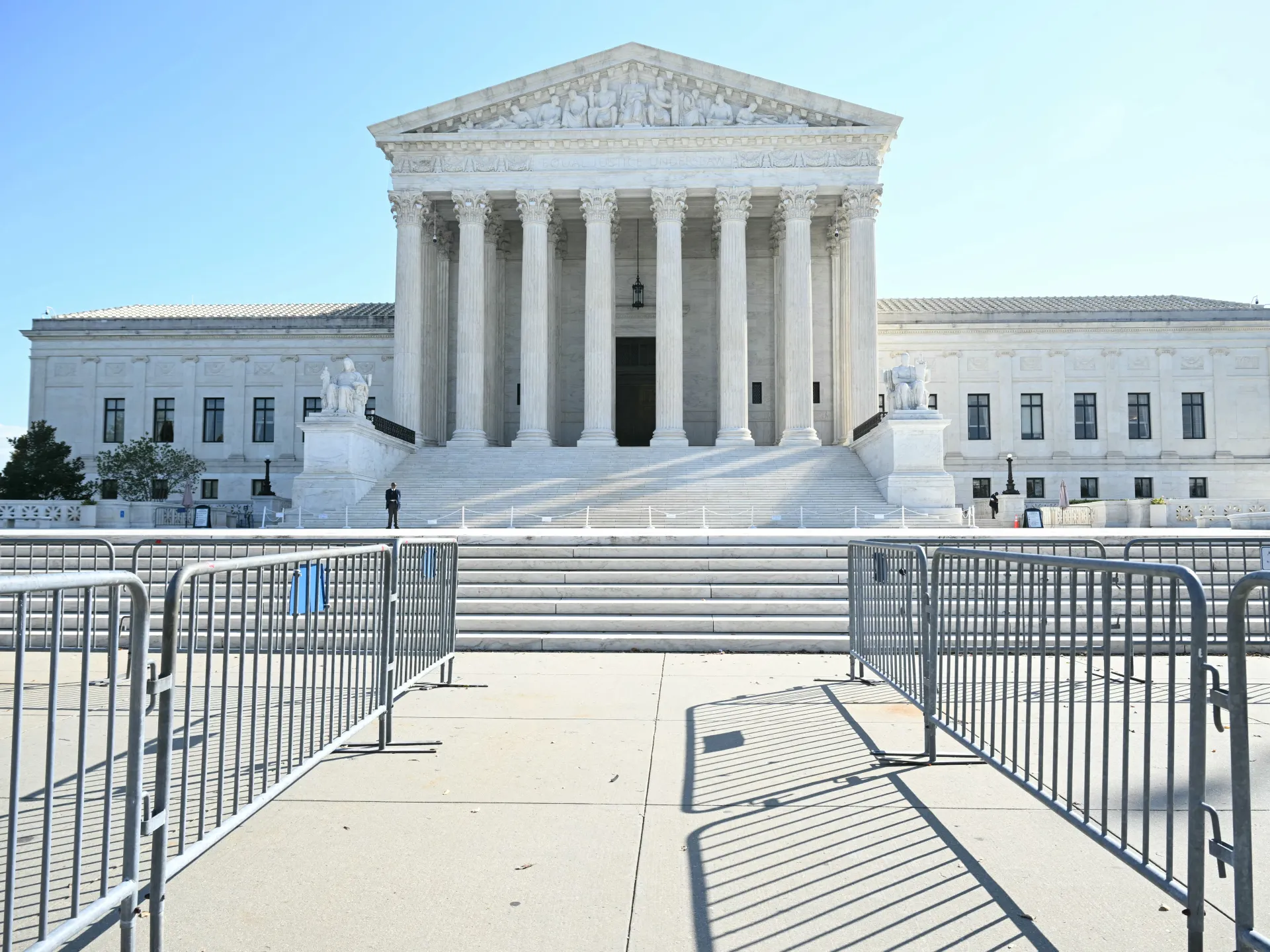
The Supreme Court is reviewing whether private citizens can sue to enforce civil rights, a move that could shift control to the government.
The United States Supreme Court faces a critical question this autumn. Justices must decide who has the power to enforce civil rights. A new case starting November 30 centers on university employees. These workers want to sue under Title IX for workplace sex discrimination. However, the Trump administration argues that Congress never allowed such private lawsuits.
Also, this dispute is part of a larger legal trend. Republican leaders and the current administration want to restrict private litigation. They argue that only the government should enforce federal laws. This shift could change how citizens protect their rights in court.
Next, private rights of action allow individuals to file lawsuits. People use these to seek legal compliance or compensation. Congress sometimes creates these rights explicitly. In other cases, courts must decide if the law implies a right to sue.
Meanwhile, history shows that private lawsuits are vital for civil rights. Scholars argue that individuals must control their own legal protections. Public enforcement is helpful but cannot replace the power of private citizens. This approach keeps rights in the hands of the people.
Still, critics from the political right disagree with this view. Groups like the U.S. Chamber of Commerce fear frivolous lawsuits. They have pushed for stricter rules to stop private legal challenges. This has led to several major court decisions limiting individual access.
After that, the focus has shifted toward voting rights. Courts have blocked advocacy groups from suing on behalf of voters. Recent rulings suggest that private citizens cannot enforce key parts of the Voting Rights Act. This trend leaves the Department of Justice as the only entity allowed to act.
Finally, the government is now trying to stop even explicit private rights. The Justice Department recently moved to dismiss an environmental lawsuit against xAI. Officials claim the case hurts national security and AI goals. This move shows how political priorities now threaten established legal rights. Relying solely on federal agencies risks turning private rights into mere political tools. Citizens must act to protect their ability to seek justice in court.