
The Curiosity rover is celebrating the Martian new year while studying new cloud formations and wrapping up drilling work at Gale Crater.
Mars has officially entered a new year. This event marks the northern hemisphere spring equinox. Scientists track these seasons using solar longitude measurements. Each full orbit covers 360 degrees of solar longitude.
Also, the start of Mars year 39 occurred in late September. This change means autumn has arrived at Gale Crater. The rover team is now adjusting to these seasonal shifts.
Meanwhile, the Curiosity rover recently finished a drilling project at Basque Lakes. The team completed lab tasks earlier this week. They used extra time for a complex gas analysis experiment.
Next, the mission team performed remote sensing tasks. They used the Mastcam and ChemCam instruments to study the area. Researchers also examined the leftover rock bits from the drill site.
After that, the rover will prepare to leave this location. It will drive back toward the interesting Chiu Chiu region. The team hopes to study unique crystal forms found there.
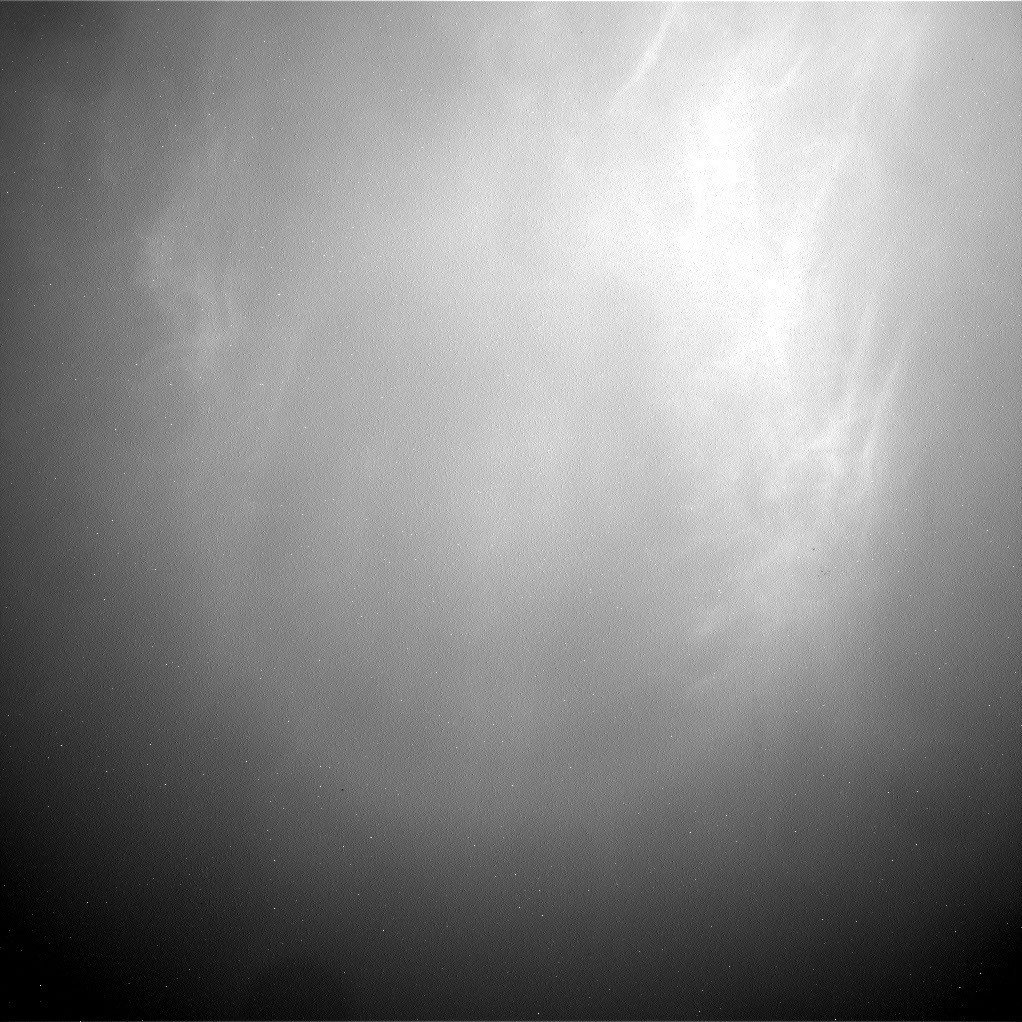
However, the Martian atmosphere remains a top priority for scientists. Autumn brings the return of high-altitude twilight clouds. These clouds glow brightly because of the low sun angle at sunset.
Still, many clouds at Gale Crater are too thin to see clearly. They are often suboptical and invisible to the naked eye. Curiosity’s cameras cannot always detect them either.
Finally, the rover captured its first high-altitude clouds this week. These clouds appeared during late afternoon observations on Wednesday. Scientists are excited to study these weather patterns throughout the coming season.