
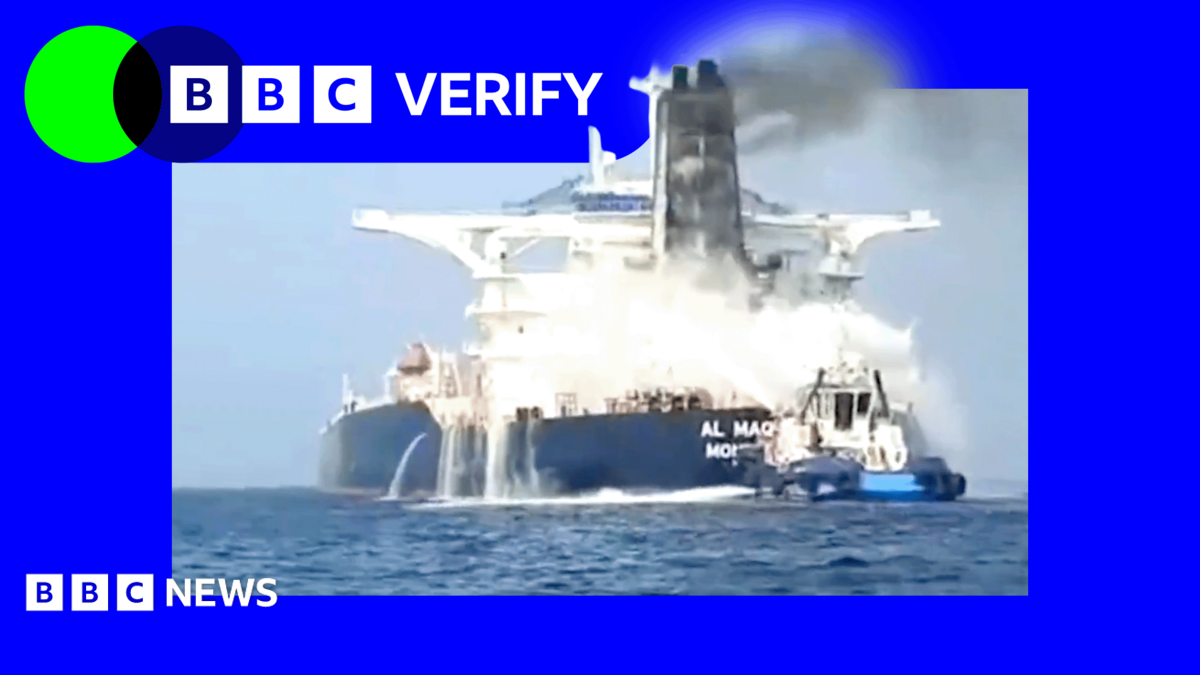
Ship attacks near the Strait of Hormuz have hit record levels, causing a decline in regional oil exports and creating new risks for maritime crews.
Attacks on ships near the Strait of Hormuz reached a record high recently. Data from the UK Maritime Trade Operations agency confirms this trend. Twelve vessels reported strikes between October 5 and October 11.
Also, this period marks the highest number of weekly attacks since the conflict between Iran and the US-Israeli alliance began. Six ships suffered strikes on a single Sunday. This set a new daily record for the region.
Meanwhile, the recovery of oil shipments through the strait has slowed significantly. Trade data shows daily oil flows dropped to 12.6 million barrels. This is down from 15 million barrels reported in late September.
Next, experts believe Tehran wants more control over the vital waterway. The US military currently helps many tankers navigate the area safely. Iran tries to disrupt these efforts through frequent drone and projectile strikes.
After that, the situation remains dangerous for crews working on these vessels. One drone attack set a tanker named Petro Dolphin on fire. Two crew members remain missing following that specific incident.
Still, other ships face similar threats in the region. The container ship GFS Pride sank on Tuesday after a projectile strike. Iran claimed the ship carried illegal goods and followed the wrong path.
Furthermore, analysts suggest Iran is changing its military strategy. Attacks now happen further away from the Strait of Hormuz. Vessels near Qatar and the UAE have also faced multiple projectile strikes.
Finally, the US military continues to assist commercial traffic through the area. They coordinate with regional partners to protect ships. Despite these efforts, shipping companies face ongoing risks to their cargo and personnel.