
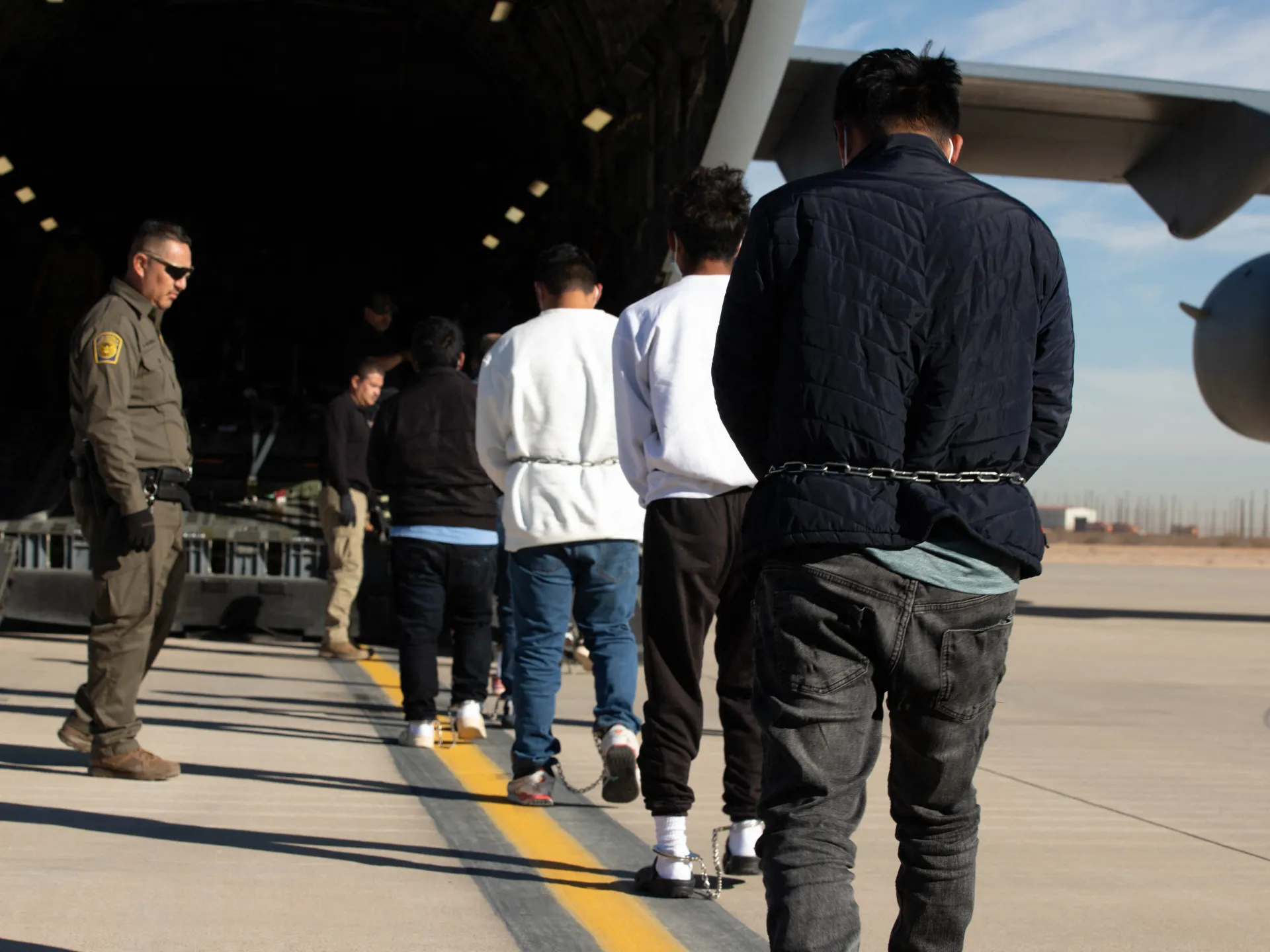
The Trump administration is sending asylum seekers to third countries as part of a large-scale deportation effort.
United States immigration officials increased arrests and deportations significantly since January 2025. President Donald Trump promised the largest deportation effort in American history during his campaign. Homeland Security officers now conduct thousands of arrests daily across the nation.
Also, these arrests include many people seeking asylum. Federal law and international treaties protect people from returning to countries where they face torture. The Trump administration now sends these individuals to third countries instead.
Next, these new locations often lack any cultural or legal connection to the deportees. Global organizations like the United Nations and Amnesty International criticize this practice. They argue that many receiving countries have poor human rights records.
Meanwhile, critics fear these nations will not offer fair asylum hearings. Deportees might ultimately face danger in their home countries anyway. Some US courts previously declared this practice illegal, but the Supreme Court allows it.
As a result, experts warn of a global crisis regarding refugee treatment. The United Nations notes that these actions threaten international human rights standards. Rights groups estimate that over 25,000 people faced this process recently.
Still, official government data reports more than 16,000 cases between early 2025 and August 2026. Researchers believe this number is likely too low. The government creates agreements with various nations to accept these individuals.
For example, some countries agree to hold deportees in local prisons. Other nations sign formal agreements to process asylum claims temporarily. Many people arrive in these countries without knowing the language or having proper documents.
Finally, the US government often offers financial incentives to secure these deals. Officials provided millions in aid and visa concessions to countries like Liberia and Cameroon. These nations now accept third-country nationals as part of the administration's broader immigration strategy.