
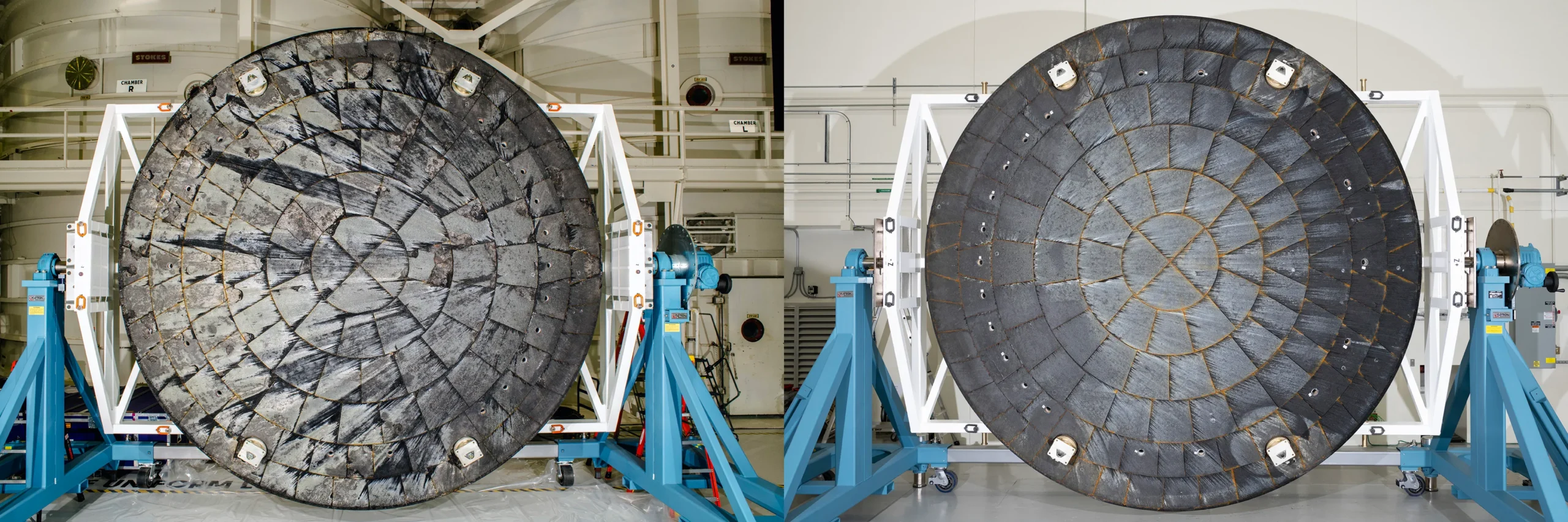
NASA confirmed the Orion heat shield performed safely during the Artemis II mission. New data shows reduced material wear compared to previous flights.
NASA recently completed a thorough review of the Orion spacecraft heat shield. The mission carried four astronauts around the Moon and back safely. This flight provided essential data for future trips to the lunar surface.
Next, engineers studied how the thermal system protected the crew during reentry. The spacecraft reached speeds 39 times faster than sound. It also faced temperatures over 4,000 degrees Fahrenheit.
Meanwhile, the astronauts remained cool inside the cabin. Temperatures stayed in the mid-70s throughout the return journey. The spacecraft landed precisely near the coast of San Diego.
Also, NASA modified the reentry path to improve safety. They shortened the flight distance after entering the atmosphere. This change limited the time the shield spent in extreme heat.
As a result, the heat shield showed much less damage than the previous mission. Cracks and char loss dropped by a factor of ten. Engineers found only nine spots of char loss this time.
Then, the team inspected the backshell tiles on the crew module. These 1,300 ceramic tiles performed exactly as designers planned. No signs of overheating appeared on the module's exterior.
After that, experts moved the heat shield to the Marshall Space Flight Center. They began x-ray scans and material testing in August. These steps provide deep insight into the Avcoat material used.
Finally, NASA is applying these lessons to the Artemis III mission. They upgraded the heat shield design to ensure better consistency. Technicians already attached this new shield to the next spacecraft.
Now, the agency prepares for upcoming missions in low Earth orbit. These flights will test critical systems for future moon landings. NASA aims to return humans to the lunar surface by 2028.