
President Trump faces difficult military choices regarding Iran as midterm elections approach and regional tensions remain high.
President Donald Trump recently stated he will not strike Iran before the November 3 midterm elections. However, he previously suggested the conflict might conclude shortly after the vote. The US military continues to deploy more forces to the region during this tense period.
Meanwhile, Iranian attacks on ships in the Strait of Hormuz have reached record levels. Tehran now uses new tactics to target vessels it claims violate its rules. This vital waterway previously carried 20 percent of the world’s crude and natural gas.
The current war began with joint US and Israeli strikes on February 28. Iran responded with attacks on US assets in Jordan and Gulf nations. These actions caused global oil prices to climb significantly this year.
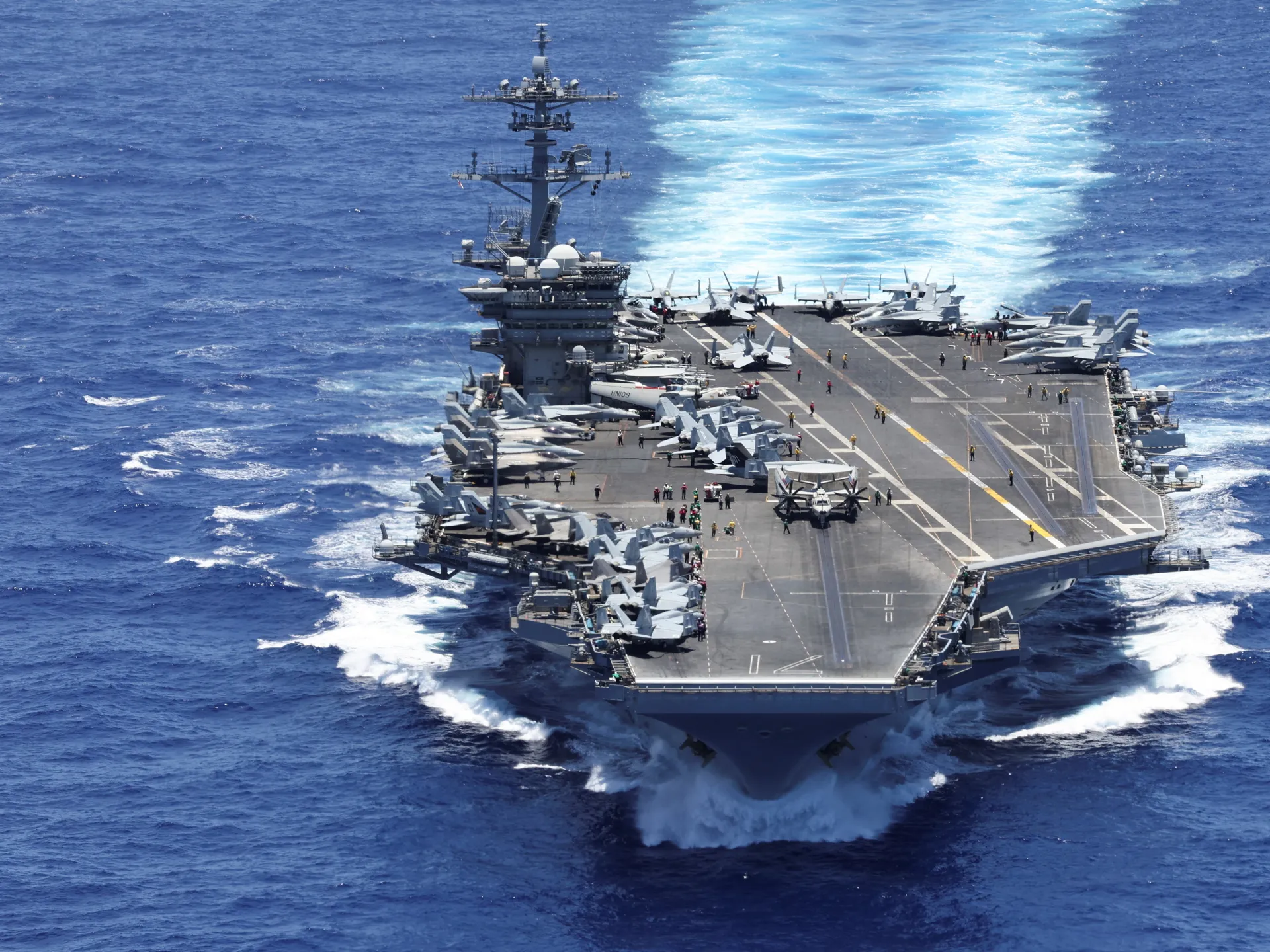
Next, the US maintains a naval blockade and escorts commercial ships through the strait. Experts believe this status quo remains the most likely path forward. Drones now perform most surveillance duties to protect these cargo vessels.
Still, Iran effectively uses its geography to challenge these patrols. Recent data shows a sharp drop in oil shipments through the waterway. Iran successfully disrupted the flow of goods despite US naval presence.
After the elections, President Trump might increase bombing campaigns. Military analysts warn that such strikes could yield limited results. Iran has adapted by concealing its remaining weapons more effectively than before.
Furthermore, the US faces a shortage of expensive defensive missile systems. Replacing these munitions could take several years of production. Each cheap Iranian drone forces the US to use a costly interceptor missile.
Finally, experts view a ground invasion as highly unlikely and irrational. Such an operation would risk many American lives and trigger regional instability. The US public remains largely opposed to the ongoing war.