
Houthi missiles struck a Saudi oil facility this week following coalition air strikes in Yemen, causing fires and injuries in the capital.
Houthi rebels fired missiles at Saudi Arabia this week. The attack hit an administrative building at an Aramco oil facility. This strike happened in the eastern city of Dhahran.
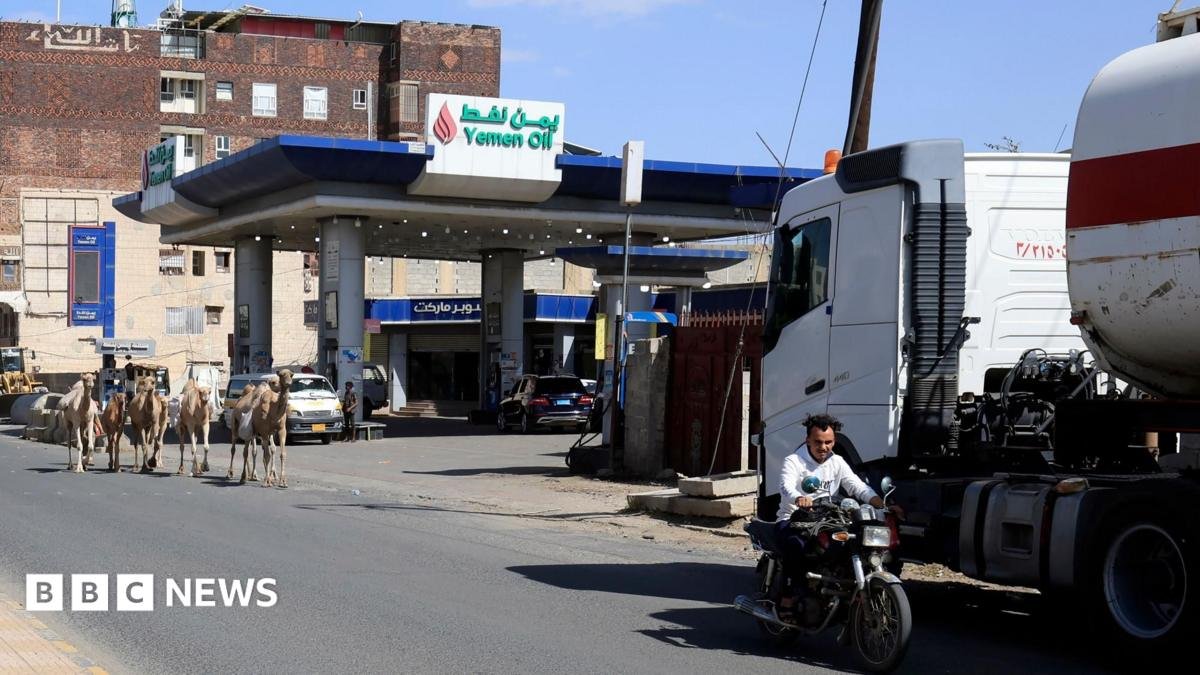
Meanwhile, the Saudi-led coalition launched air strikes on a fuel depot in Yemen. This depot is located near the city of Sanaa. The Houthi group claimed their attack was a response to this strike.
Why this matters
These attacks create deep instability in the Middle East. They also threaten the global supply of oil and energy. International leaders worry about the impact on everyone everywhere.
Also, the conflict forces civilians to live in constant fear. Public events like soccer matches now face long delays due to safety alerts. Security teams must prioritize protection during these violent times.
However, the military escalation shows no sign of stopping soon. Both sides continue to trade fire across borders. This cycle of violence puts millions of people at risk of injury or death.
Military Strikes and Public Safety
The Saudi energy ministry reported a limited fire at the Aramco site. An Aramco source told Reuters that a missile hit an office tower. It caused damage to the top three floors of the building.
Also, residents in Riyadh heard loud explosions on Monday night. Authorities sent text alerts to phones to warn citizens of danger. Falling debris from intercepted missiles injured four people in the capital.
Next, the Civil Defence reported damage to 15 homes in Riyadh. The injured group included two women, a man, and a child. Missile threats also forced a delay in a major soccer match at Al-Awwal Park.
Rising Tensions in the Region
The Houthi spokesman Yahya Sarea vowed more attacks in the coming days. He claimed the group targeted airports and oil facilities. They intend to strike deep into Saudi territory as retaliation.
After that, the Saudi-led coalition promised to hold the rebels responsible. The cabinet remains firm in its military approach. They provide air support for pro-government forces on the Red Sea coast.
Finally, the death toll from recent fighting remains a major concern. Saudi officials reported 13 people died in a Saturday airport strike. Another person died from a separate strike on Sunday.
How we got here
What happens next
The conflict will likely continue as both sides refuse to back down. Regional powers may seek new ways to lower tensions. However, no peace talks are currently scheduled.
Also, oil markets might see further price swings due to the instability. Investors will watch the safety of Aramco facilities very closely. Any further disruption could impact global fuel costs.
Finally, international organizations may call for an urgent ceasefire. Diplomats face the hard task of stopping the cross-border strikes. Civilians in both countries hope for an end to the danger soon.