
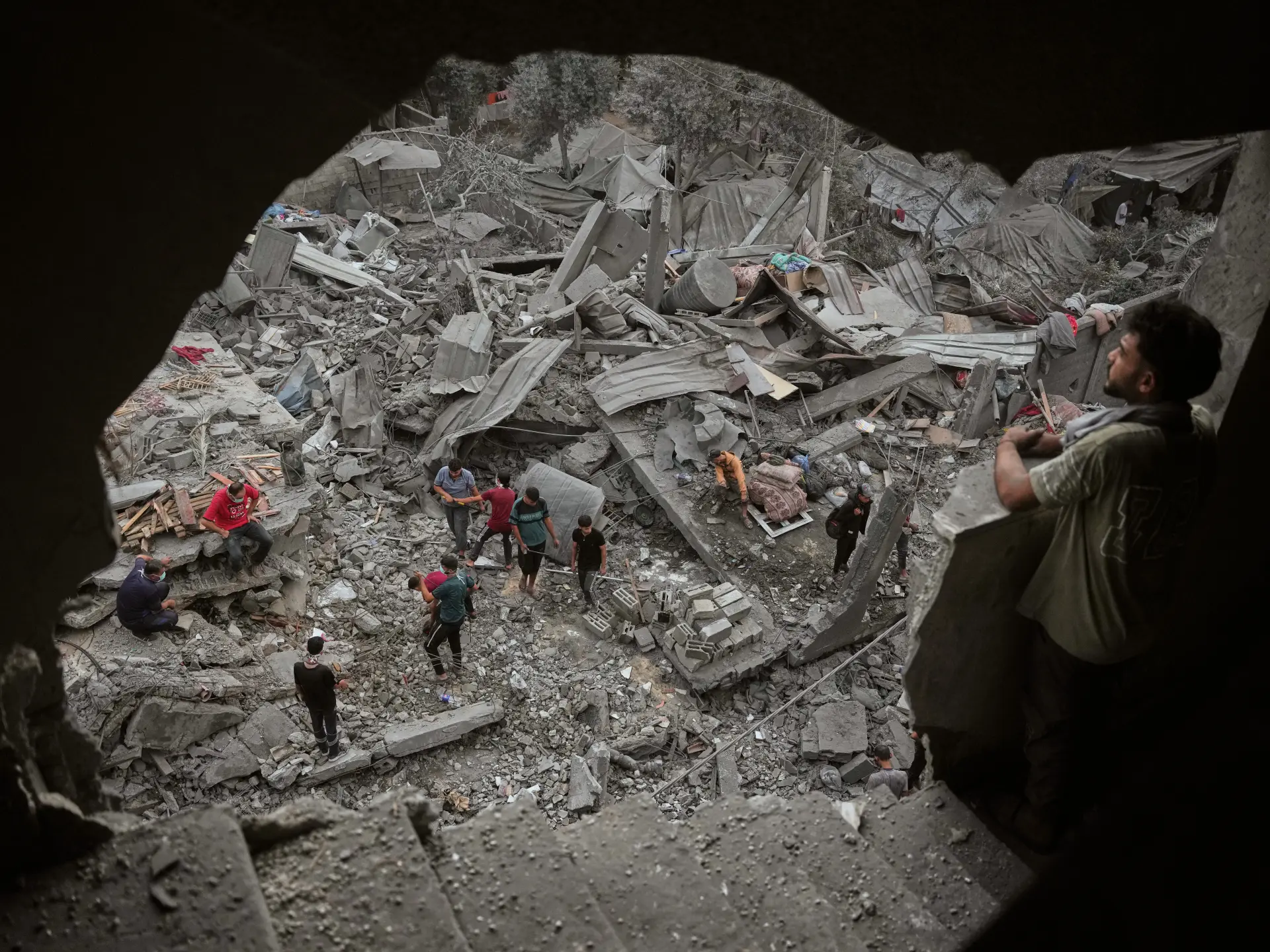
New strikes hit Ukraine's power grid while tensions rise in Gaza. Global leaders face pressure as peace claims fall short.
Why this matters
Recent events show the fragility of global stability. Leaders often promise peace while violence continues on the ground. These conflicts disrupt basic services for millions of regular citizens. Power grids and internet access are now key targets in modern war.
Also, these developments test the influence of world leaders. President Trump claimed an energy ceasefire existed in Ukraine. However, massive Russian strikes proved that claim wrong. This suggests that diplomatic promises often fail to stop military action.
Meanwhile, the human cost remains high in Gaza. New airstrikes killed five people this week. These events remind us that local violence impacts daily life. Global powers struggle to keep these dangerous situations under control.
New attacks in Ukraine
Russia launched a massive wave of missiles and drones overnight. President Zelensky says these attacks hit critical energy infrastructure. At least 600,000 people now lack electricity in their homes. Kyiv and Kharkiv faced the worst of the destruction.
Also, Ukrainian troops face major technical hurdles. SpaceX reportedly placed speed limits on Starlink terminals. This internet service is vital for drone missions. Officials say these limits disrupt important military operations on the front lines.
Next, experts investigate the cause of these connectivity issues. Some officials believe the timing is not a coincidence. They worry this move relates to current political tensions. SpaceX has not yet commented on the reported speed restrictions.
Escalation in Gaza
Violence also flared up in Gaza this week. An Israeli airstrike killed five people in a single attack. Health officials say four of the victims were women. Local teams continue to inspect the damage.
Finally, the region remains trapped in cycles of conflict. Reports from Gaza indicate ongoing danger for residents. Families struggle to find safety as strikes continue. These events show that peace efforts have not stopped the fighting.
How we got here
- February: SpaceX blocks Russian forces from using Starlink to help Ukraine.
- October 11: Israeli airstrikes destroy buildings in central Gaza.
- October 13: Donald Trump claims an energy ceasefire exists between Russia and Ukraine.
- October 14: Russian strikes cut power to 600,000 Ukrainians.
- October 14: Ukrainian officials report new speed limits on Starlink terminals.
- October 14: Israeli strikes in Gaza kill five people, including four women.
What happens next
Ukraine will likely push for more information regarding Starlink. Troops need reliable internet to defend their territory. If the speed limits remain, military leaders may change their tactics. They must find new ways to manage drone missions.
Also, power companies face a difficult recovery in Ukraine. Repairing the grid takes time and resources. Civilians must prepare for more outages as winter approaches. Officials will work to restore heat and electricity quickly.
Finally, the situation in Gaza remains unpredictable. International groups will likely call for a permanent ceasefire. However, both sides show few signs of ending the violence. The cycle of strikes and counter-strikes will likely continue for now.